Packaging Sustainability at a Crossroads: Setback or Shift?

Takeaways
- Industry leaders are split on whether packaging sustainability efforts are falling short or simply evolving.
- Collection gaps and plastic waste remain major hurdles, especially in the U.S. and Europe.
- New regulations and measurable targets are pushing companies from promises to real, trackable results.
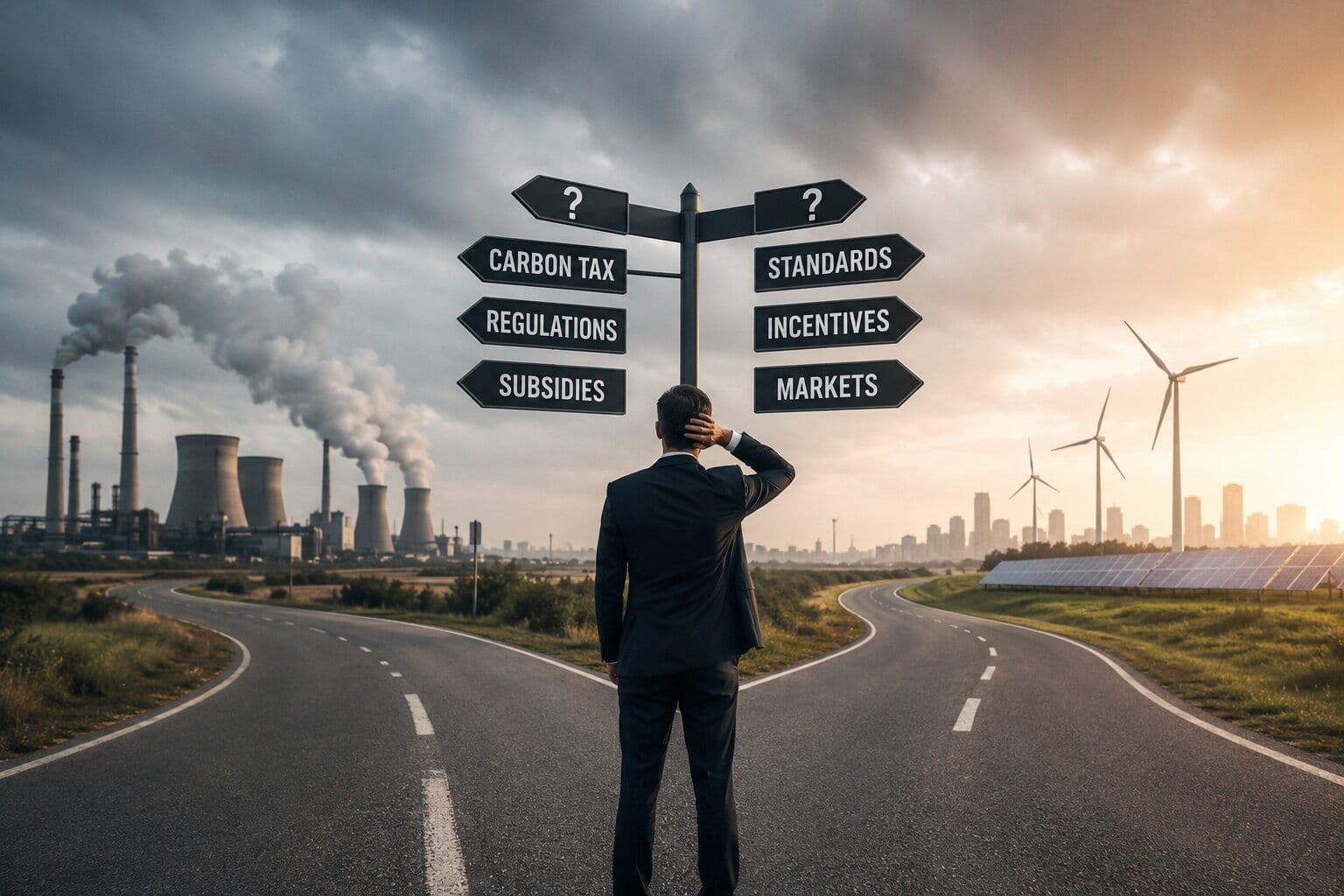
Packaging sustainability is failing, or so some industry insiders say. Others argue it’s not failing at all, just entering a tougher, more accountable phase.
The debate surfaced repeatedly this week at The Packaging Conference, where executives and advisers clashed over whether years of recycling pledges and material changes have delivered meaningful progress.
Tim Burns, senior advisor at Perella Weinberg Partners, didn’t mince words.
“We’ve been talking sustainability, recycling, and composting for years,” he said during a session on mergers and acquisitions. “The bottom line is: We’re failing.”
Burns pointed to weak material collection rates across the U.S. and Europe, particularly for plastic packaging. Even where recovery systems exist, he argued, they often struggle to make recycling economically viable.
Read More: The Future of Sustainable Packaging: Embracing Eco-Friendly Solutions
He contrasted that with Japan, where cities like Tokyo prioritize recovering materials that hold market value and rely more openly on incineration for the rest. By comparison, major U.S. metros such as Chicago, New York City, Los Angeles, and Houston face inconsistent systems and rising costs.
At the same time, a wave of companies has delayed or reworked sustainability pledges first set years ago, adding to perceptions that packaging sustainability goals are slipping.
Yet many industry leaders say that conclusion is too harsh.
Sandrine Duquerroy-Delesalle, vice president of global sustainability at Crown Holdings, acknowledged the industry still has work to do on collection, carbon footprints, and energy use. But she stressed progress is happening.
“We are indeed not good enough in terms of collection, carbon footprint, decreasing our energy usage, etc. So we need to continue working on all those elements to really demonstrate the efforts of the industry,” she said, citing internal targets and ongoing improvements.
Scott Byrne, vice president of global sustainability at Sonoco, agreed.
“I’m obviously biased, but I don’t think sustainability is dead,” he said. “I think sustainability is transitioning.”
Byrne noted that many companies rolled out ambitious sustainability targets around 2018, only to realize by 2023 that some 2025 goals would be difficult to reach. That prompted strategy resets, tighter metrics, and a shift from voluntary claims to compliance-driven action.
Emerging rules, such as extended producer responsibility laws, are now forcing brands to account for what happens to their packaging after use. That’s accelerating what Byrne called “packaging sustainability,” moving from broad promises to specific, measurable outcomes.
Legal experts see the same shift. Jesse Medlong of DLA Piper said the industry is moving from theoretical targets to hard data, i.e., how much material is actually recycled, and how much recycled content ends up back in products.
Material choices are also evolving. While some companies are reducing plastics in favor of fiber or metal, cost still drives many decisions. At the same time, innovation continues in biobased plastics made from corn starch, fungi, and even shrimp shells.
Also Read: What Are Some ESG Initiatives Examples Businesses Can Take?
By the end of the conference, the consensus was less about failure and more about reality. Packaging sustainability may not be collapsing; it’s becoming stricter, more regulated, and harder to fake.
In other words, the easy phase is over.
Follow more news and views via our Social & Governance and Featured Articles sections, and stay updated on the top ESG events to attend in 2026 for industry insights and networking.
If you're looking for suitable ESG and Sustainability providers to share customized solutions specific to your business needs, you can check out KnowESG's Solutions page.
If you are an ESG provider looking to get your organization listed on our portal, visit this page.
Source: PACKAGINGDIVE
Get the ESG Brief in your inbox
One concise email a week — the ratings moves, regulation deadlines, and vetted solutions that matter. Trusted by sustainability and finance teams.
No spam · unsubscribe anytime.