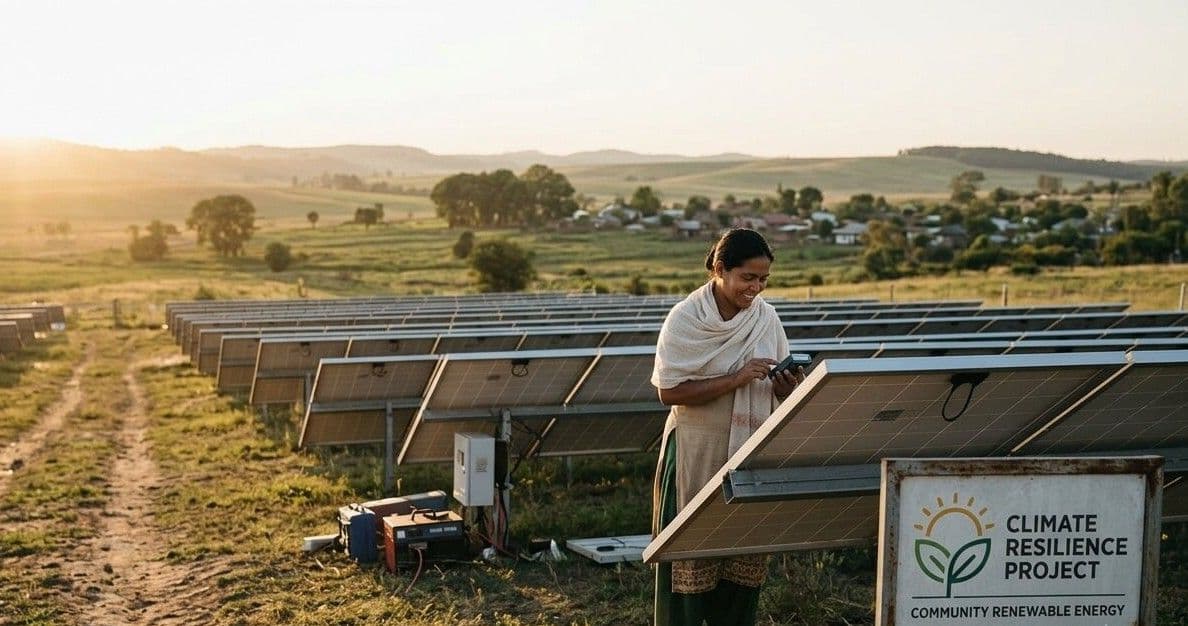
ESG Trends: Annual Outlooks, Regulations, and Developments

In today’s world, it's no longer enough for companies to simply claim they support Environmental, Social, and Governance (ESG) values. Stakeholders, from investors and customers to employees, want clear evidence of how these values are being implemented. Companies are being held accountable for their ESG strategies, actions, and disclosures, with pressure intensifying.
This scrutiny has prompted a global push to make ESG reporting mandatory. Governments and regulators across regions like the EU, UK, USA, and Asia-Pacific are introducing new laws to ensure the transparency, reliability, and comparability of ESG data. These regulations aim to channel capital toward sustainable investments and build investor confidence in corporate sustainability claims.
Featured Article: What Is ESG Performance And How To Measure It?
ESG in 2025: Expected Trends

While we have covered more than half the year, let us reiterate that in 2025, businesses are expected to make significant adjustments in their ESG strategies, shifting from broad commitments to a sharper focus on material risks, corporate governance, and cross-industry collaboration. This evolution is driven by both regulatory developments and market pressures, with the Corporate Sustainability Reporting Directive (CSRD) deadline in early 2026 pushing organizations to refine their sustainability reporting and integrate ESG into core business strategies.
One major shift is the declining use of the “ESG” label itself, even as the underlying practices remain critical. Companies are prioritizing concrete, measurable initiatives over slogans, recognizing ESG as a toolkit for identifying and addressing opportunities and risks.
Corporate governance will be more important than ever. Uncertain political landscapes, more frequent extreme weather events, and shifting global regulations demand robust oversight structures. Senior executives, including CFOs, General Counsels, and Chief Technology Officers, are playing more central roles in incorporating ESG into business strategy.
While anti-ESG policies may expand in the U.S., state and local governments are filling regulatory gaps, implementing measures like carbon disclosure laws and stricter building-performance standards. These changes are accompanied by a surge in greenwashing litigation, as stakeholders scrutinize corporate claims and practices more closely.
This year, ESG is expected to move deeper into the operational DNA of businesses, influencing product design, procurement, and decision-making processes, while also prompting resistance from those opposed to these shifts.
Featured Article: The Rise of Mandatory ESG Reporting Under CSRD: What Organizations Need to Know
ESG in 2026: Expected Trends

By 2026, sustainable finance, supply chain transparency, and biodiversity protection will define the next wave of corporate responsibility. Organizations will face heightened scrutiny as the CSRD comes fully into effect, compelling multinationals to disclose environmental and social impacts with unprecedented detail.
Key trends include the following:
- Sustainability reporting will reach new levels of precision, with companies like Unilever setting benchmarks for long-term integration of ESG into corporate strategy.
- Biodiversity initiatives will be mainstream, with examples like Nestlé’s regenerative farming practices influencing industry norms.
- Circular economy adoption will accelerate, as seen in IKEA’s global refurbishment programs aimed at extending product lifecycles and reducing waste.
- Supply chain accountability will become non-negotiable, with brands tracing raw materials back to verified sustainable sources.
- Renewable energy adoption will surge, driven by falling costs and ambitious net-zero targets from leaders such as Google.
- Water stewardship will gain urgency in drought-prone regions, pushing companies to adopt more sustainable water usage models.
- Social equity will be incorporated into ESG frameworks, with companies placing greater emphasis on diversity, inclusion, and stakeholder engagement.
Technology will play a central role, with digital transformation, through AI, blockchain, and IoT, enhancing traceability, risk management, and efficiency. In addition, carbon capture technologies, sustainable packaging innovations, and climate resilience planning will become standard business practices.
In short, ESG in 2026 will be characterized by measurable, transparent, and tech-enabled strategies that address both environmental and social priorities, aligning corporate success with the broader health of the planet and society.
Featured Article: Top ESG Key Performance Indicators (KPIs) for Companies to Evaluate ESG Strategy
Summary
The trajectory of ESG from 2025 to 2026 reflects a shift from broad commitments to deeply embedded, measurable strategies. In 2025, businesses are refining their ESG priorities, driven by the upcoming Corporate Sustainability Reporting Directive (CSRD), with greater emphasis on material risks, corporate governance, and operational integration. Anti-ESG sentiment in some regions contrasts with growing regulatory and litigation pressures elsewhere, ensuring that ESG remains central to strategic decision-making.
By 2026, the landscape will demand even higher levels of transparency and accountability. Sustainability reporting will reach new benchmarks for detail, supported by advances in sustainable finance, supply chain traceability, and biodiversity initiatives. Circular economy models, renewable energy adoption, and technology-enabled transparency will be core differentiators for industry leaders.
In both years, one theme stands out: ESG is no longer a peripheral or reputational exercise; it is becoming a business imperative, directly shaping how companies operate, innovate, and create value for stakeholders.
Featured Article: The Ever-Changing Landscape Of ESG
Frequently Asked Questions (FAQs)
What are the key ESG trends shaping global business strategies in recent years?
In recent years, key ESG trends include growing net zero commitments, enhanced sustainability disclosures, and increased climate initiatives from both governments and the private sector. Companies are integrating ESG frameworks into their core strategies to address risks, comply with new regulations, and meet rising demand from investors and consumers for responsible business practices.
What is the role of the Carbon Border Adjustment Mechanism in environmental protection?
The CBAM is a trade policy tool designed to prevent carbon leakage by levying carbon costs on imports from countries with less stringent climate laws. It incentivizes producers worldwide to reduce carbon emissions, promotes energy efficiency, and supports the EU's energy transition goals while protecting domestic industries and ensuring fair trade.
How does the ESG diligence directive impact supply chains and corporate sustainability?
The ESG diligence directive requires companies to identify, mitigate, and disclose environmental and human rights risks across their supply chains. This promotes corporate sustainability by ensuring responsible sourcing, lowering greenhouse gas emissions, and enforcing compliance throughout all tiers of production, especially in developing countries.
How are businesses aligning with net-zero commitments and climate transition goals?
Many businesses are setting net-zero commitments in alignment with the Paris Agreement, investing in renewables, improving energy efficiency, and participating in carbon markets. To stay competitive and avoid penalties, companies are implementing climate strategies that support long-term economic growth and minimize environmental impact.
What challenges do developing countries face in implementing ESG regulations?
Developing countries often face challenges such as limited infrastructure, a lack of regulatory guidance, and insufficient funding for climate change initiatives. However, international support, capacity building, and ESG-aligned investment can aid these countries in improving compliance, enabling inclusive growth, and achieving sustainable development goals.
What are the benefits of ESG reporting for investors and companies?
ESG reporting offers investors greater insight into a company's risks, strategies, and sustainability performance, enabling informed decisions. For companies, it improves reputation, attracts ESG-aligned capital, helps comply with regulations, and fosters long-term value creation through better environmental and social risk management.
What are the major ESG investment trends shaping 2025 and beyond?
Key ESG sustainable investing trends include stronger climate risk management, the rise of global sustainable funds, increased ESG integration by asset managers, and growing demand for transparency in ESG data. Companies are moving from broad ESG commitments to measurable initiatives, with climate action, supply chain accountability, and biodiversity protection playing central roles.
How are asset managers and institutional investors responding to climate-related risks?
Asset managers and institutional investors are embedding ESG factors into investment decisions to mitigate climate-related risks and align with sustainability goals. This includes prioritizing green projects, adopting sustainable practices, and using ESG ratings to evaluate corporate resilience against global warming and regulatory pressures.
Why is ESG reporting becoming mandatory across regions?
Governments and markets authorities in the EU, USA, and Asia-Pacific are introducing regulatory frameworks like the CSRD to ensure reliable ESG data and regulatory compliance. Mandatory ESG disclosures improve investor confidence, reduce greenwashing, and align public companies with sustainability considerations and reporting standards.
What role do ESG metrics and ratings play in sustainable ESG investing?
ESG metrics and ESG rating providers help investors assess a company’s environmental, social, and governance performance. These tools guide fund managers, mutual funds, and financial institutions in evaluating sustainability practices, risk management, and long-term financial performance, making ESG integration more data-driven.
How is the green bond market contributing to ESG growth?
The green bond market supports sustainable growth by channeling capital into environmentally friendly infrastructure, renewable energy, and climate action projects. Rising interest from ESG investors and institutional investors has expanded the green bond market, positioning it as a key driver of sustainability-focused investments.
What challenges do companies face in meeting ESG investor expectations?
Companies often struggle with data availability, inconsistent reporting standards, and balancing regulatory compliance with business growth. Other challenges include addressing ESG risks across supply chains, adapting to evolving investor expectations, and overcoming skepticism around vague claims or unproven sustainability initiatives.
How does ESG performance influence financial returns and business growth?
Research shows that companies with strong ESG practices often experience improved financial performance, reduced ESG risks, and stronger long-term growth. By integrating sustainability initiatives into core strategies, businesses attract investors, meet regulatory requirements, and enhance resilience against environmental and social challenges.
What ESG issues are expected to dominate in 2026?
By 2026, sustainability reporting will become more detailed under CSRD, with biodiversity protection, circular economy adoption, and renewable energy leading ESG initiatives. Companies will also prioritize social and governance factors such as diversity, inclusion, environmental issues, and stakeholder engagement to strengthen ESG performance.
How are financial institutions supporting ESG initiatives?
Financial institutions are aligning with ESG principles by funding climate tech, supporting green infrastructure, and incorporating ESG considerations into lending and investment decisions. This shift helps attract investors seeking sustainable practices and promotes systemic climate action across markets.
What role do technological innovations play in ESG integration?
Technological advancements such as AI, blockchain, and IoT enhance ESG integration by improving supply chain traceability, monitoring environmental challenges, and strengthening risk management. These innovations support ESG data transparency and help companies achieve sustainability goals more efficiently.
Get the ESG Brief in your inbox
One concise email a week — the ratings moves, regulation deadlines, and vetted solutions that matter. Trusted by sustainability and finance teams.
No spam · unsubscribe anytime.