Philippine Corporates Shift to ESG-Linked Financing

Highlights
- Philippine businesses are increasingly using sustainable finance strategies, such as green and sustainability-linked bonds, to support growth and resilience.
- Investments in renewable energy, digital infrastructure, and agriculture are spurring the demand for ESG-compliant financing.
- The government's sustainable finance approach is helping to attract international funding and mainstream green finance.
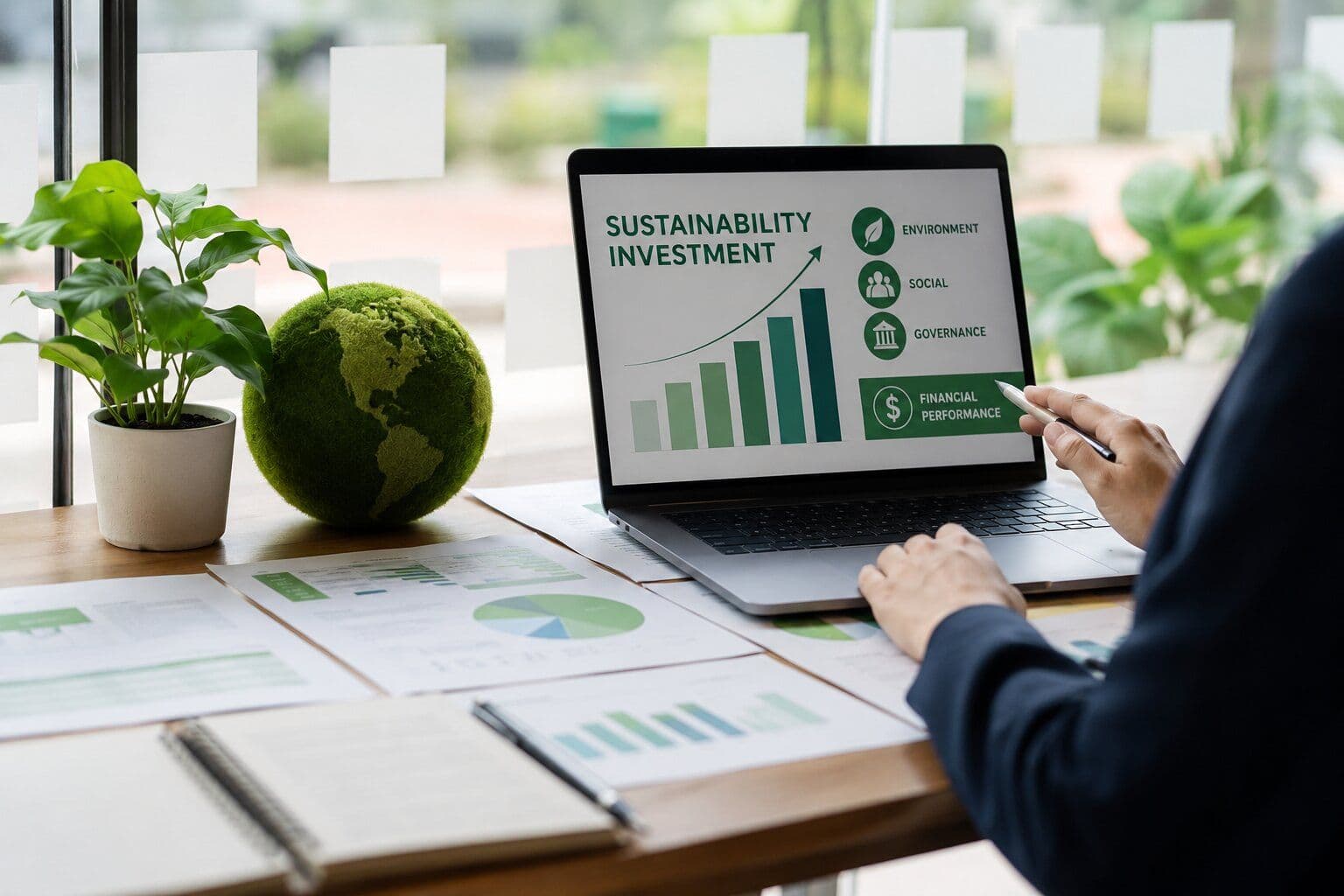
Companies in the Philippines are expected to rely more on sustainable finance as they seek strategies to boost growth and resilience in the middle of economic and political uncertainty.
Analysts say that banks, utilities, and real estate companies would increasingly use sustainability-linked bonds, which tie interest rates to a company's performance in satisfying environmental, social, and governance (ESG) goals.
Failing to meet these goals could result in higher costs; however, for firms committed to ESG, these instruments offer more favourable financing terms.
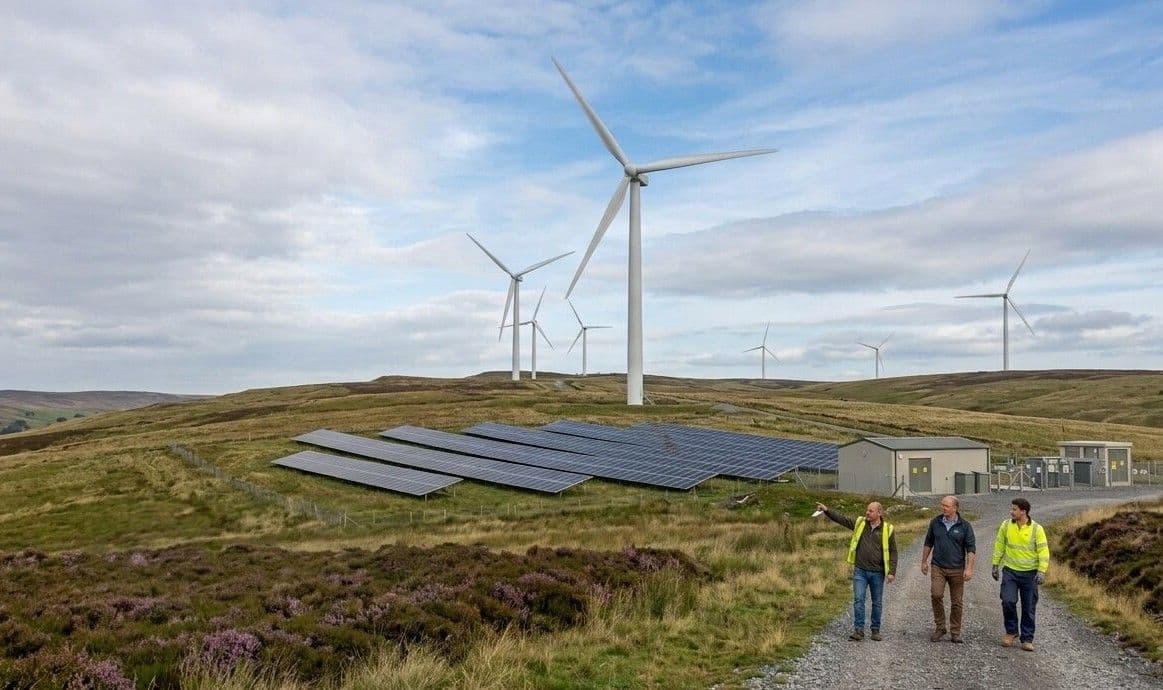
In addition, there is a growing appetite for green, social, and sustainability-linked bonds, with proceeds mainly directed towards renewable energy projects and sustainable real estate developments.
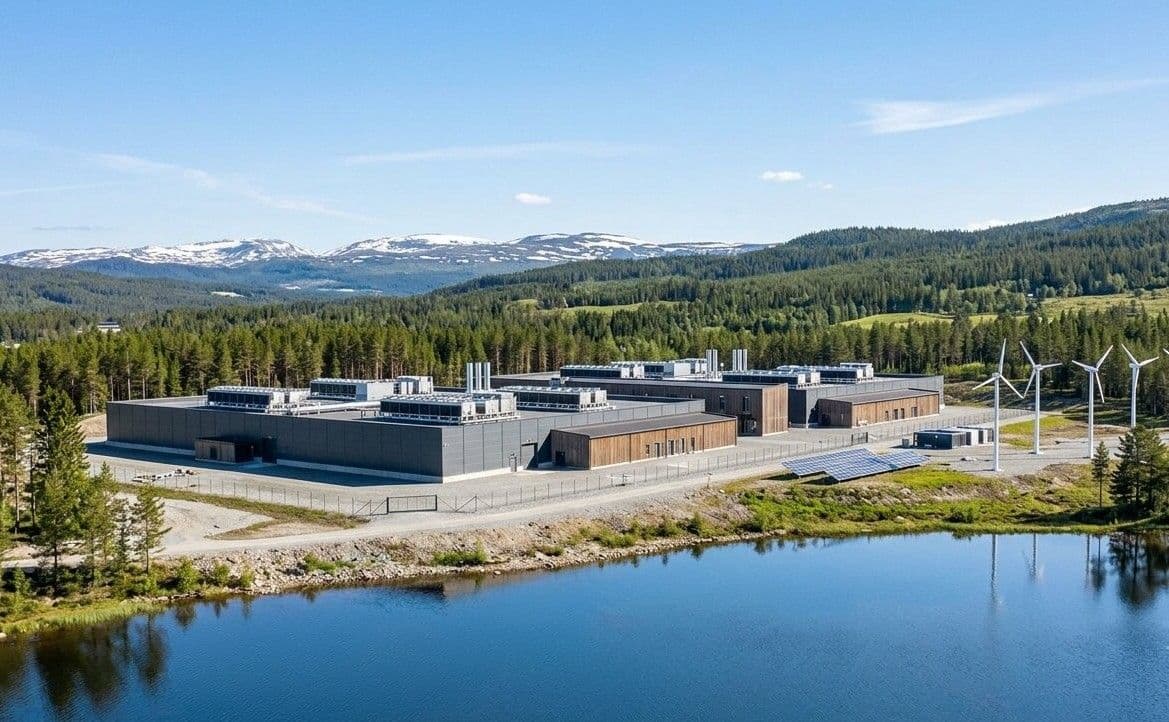
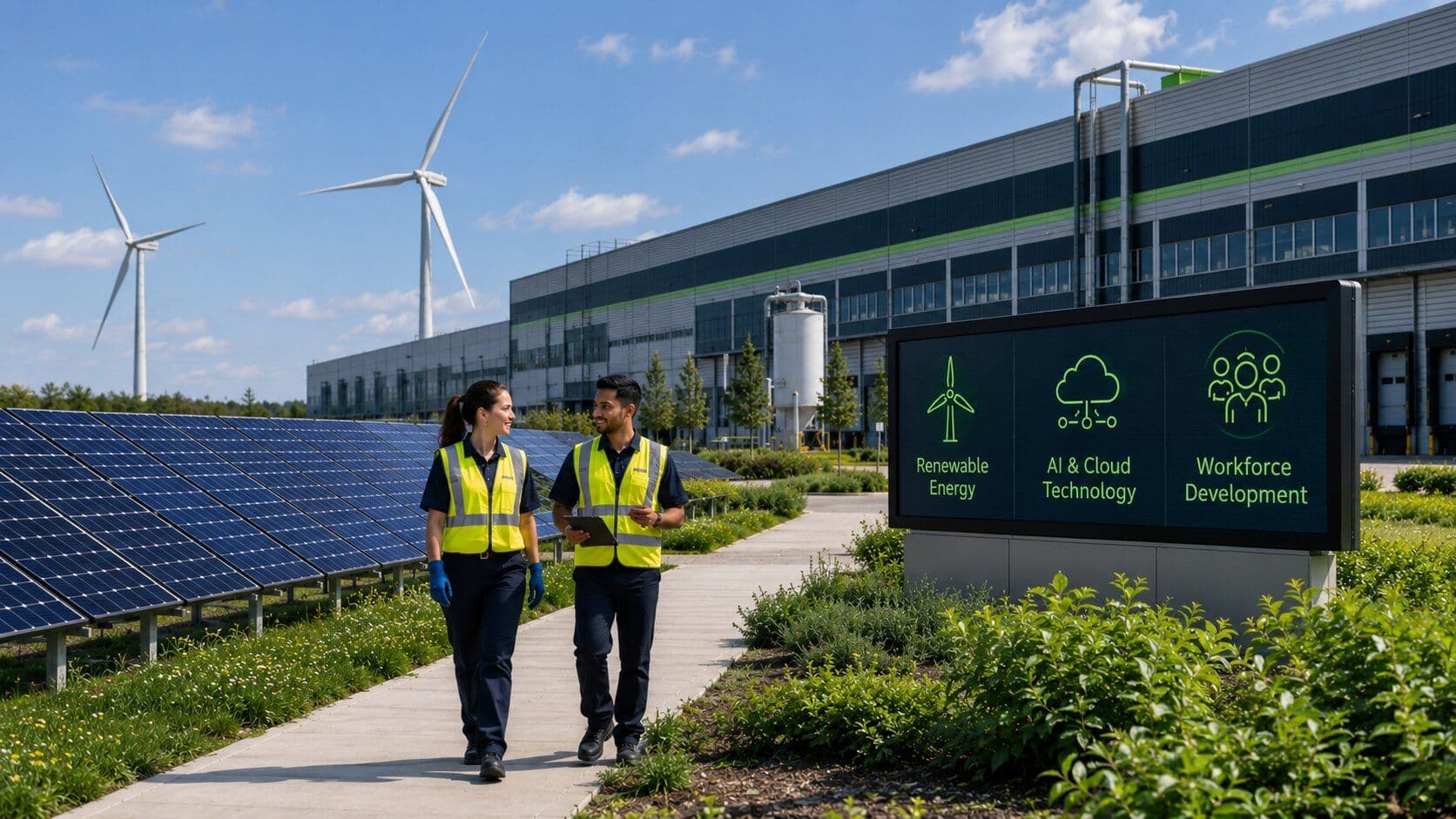
Experts point out that the energy transition and digital infrastructure are driving investment, with strong capital inflows into data centres, fibre networks, and artificial intelligence-driven platforms. At the same time, the food and agriculture sector is being recognised for its untapped potential to build a more sustainable food system in Southeast Asia.
The country’s move towards greener financing is supported by the government’s sustainable finance roadmap, launched in 2021.
This framework, backed by regulators, guides businesses and investors in developing green bonds, sustainability-linked loans, and ESG frameworks, while attracting more international capital.
Data from the Asian Development Bank (ADB) shows that although the Philippines accounts for only 2% of East Asia’s sustainable bond market, demand for such products is rising.
Meanwhile, companies are stepping up capital expenditure (capex) in sectors such as energy, infrastructure, and digital transformation. Investments include modernising enterprise systems, improving procurement and asset management, and expanding healthcare logistics through cold chain and last-mile delivery.
Many corporations are exploring sustainability-linked debt instruments to align with long-term ESG goals.
At the same time, firms are working on strategies to build operational resilience against external shocks. Some are diversifying into new markets, investing in workforce upskilling, automating processes, and embedding climate risk assessments into business plans.
In a country vulnerable to typhoons and reliant on maritime trade, companies are also building logistics buffers and securing supply chains to future-proof operations.
Ends/
Explore our ESG Marketplace to connect with over 800 providers offering sustainability and ESG solutions.
Keep up with the latest trends in sustainable finance with KnowESG News.
Stay updated with our coverage of recent ESG events.
Source: BusinessWorld
Get the ESG Brief in your inbox
One concise email a week — the ratings moves, regulation deadlines, and vetted solutions that matter. Trusted by sustainability and finance teams.
No spam · unsubscribe anytime.