Europe Data Centres Turn to Nordic Countries as Sustainability Drives Expansion: Moody's

Takeaways
- Europe is seeing more data centre investment move toward Nordic countries, where cooler climates can reduce energy and water use.
- Power shortages and long grid connection delays are limiting expansion in traditional European data centre hubs.
- While southern Europe offers strong connectivity, financing and regulatory challenges could slow the EU's AI infrastructure ambitions.
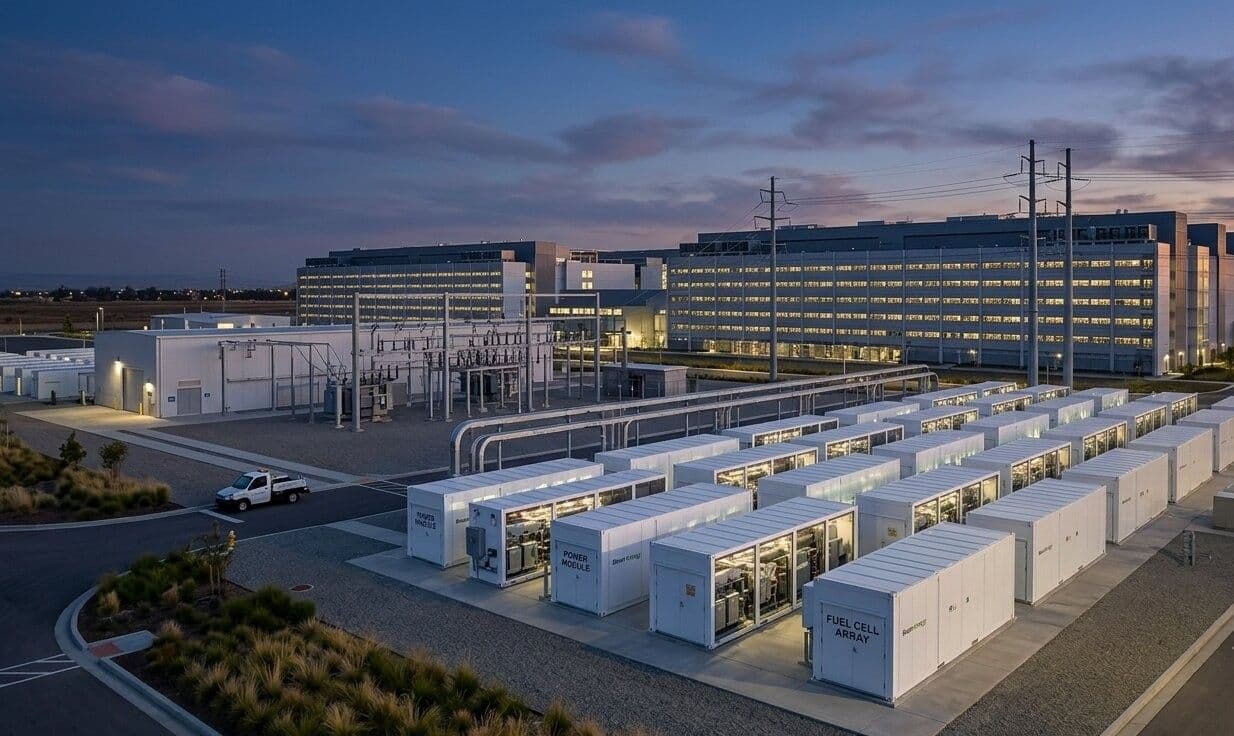
Europe's data centre expansion is increasingly moving beyond its long-established technology hubs as operators look for locations that can better support long-term sustainability goals. According to a new analysis by Moody's Ratings, Nordic countries are emerging as attractive destinations because their cooler climates help reduce both energy consumption and water use.
The shift comes as Europe seeks to strengthen its digital infrastructure and compete with the US and China in artificial intelligence and cloud computing. European Union estimates suggest the region may need between €250 billion and €500 billion in investment over the next five to seven years to build the computing capacity required for future growth.
Read More: Digital Edge ESG Report 2026: How AI Energy Demand Is Reshaping Data Centres
The growing focus on Nordic data centres reflects changing priorities across the industry. Finland, Sweden, Norway and Denmark offer naturally low temperatures for much of the year, allowing operators to rely on ambient cooling instead of energy-intensive cooling systems. These conditions lower operating costs while reducing environmental impact, making them well suited for sustainable data centres.
The environmental benefits may soon become even more important. The European Union is preparing an environmental rating system that will assess facilities based on their electricity and water consumption. Such measures could influence investment decisions and even affect credit assessments for operators and lenders.
Recent figures from the International Energy Agency show that Europe's installed data centre IT capacity increased from 11 gigawatts in 2024 to 12 gigawatts in 2025. Despite this progress, the region still trails the US, which reached 39GW, and China, which climbed to 19GW.
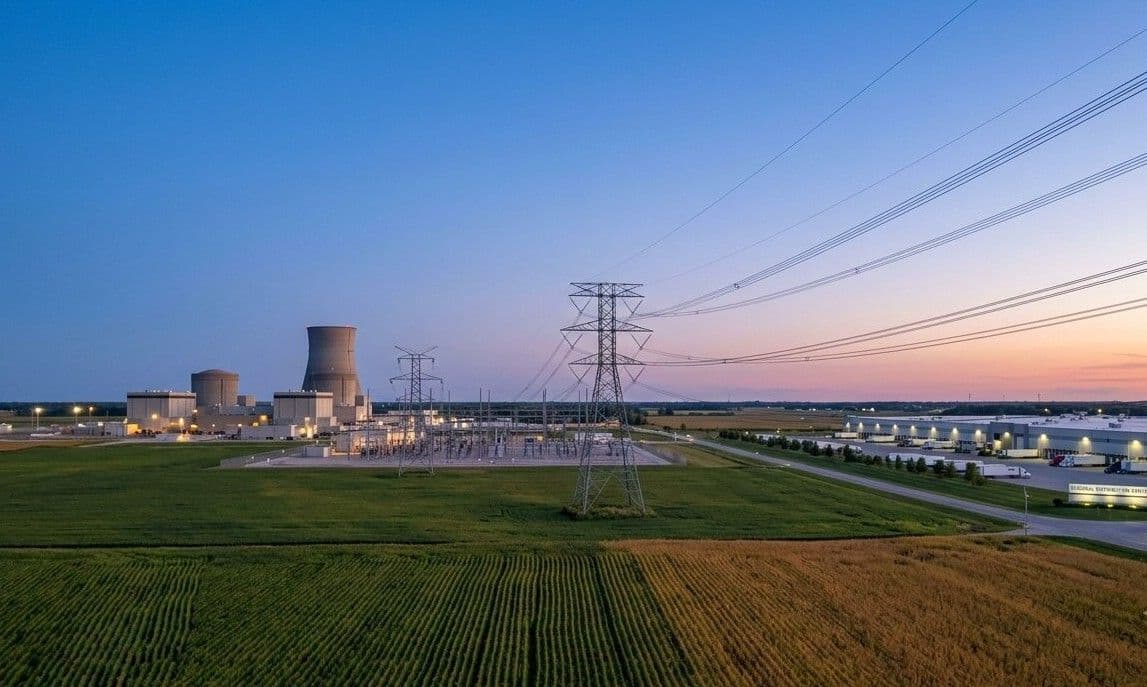
Meanwhile, traditional FLAP-D markets, such as Frankfurt, London, Amsterdam, Paris, and Dublin, are facing increasing pressure. In several locations, developers must wait years for electricity connections because of grid congestion and limited power availability. In some cases, new projects may not receive grid access until the 2040s, while connection queues in countries including the UK, Germany and the Netherlands can stretch between five and ten years.
These constraints are encouraging the EU to spread its data centres across a wider geographic area. The bloc's AI strategy supports the development of AI factories and large-scale computing facilities beyond its established hubs to improve resilience and reduce pressure on existing infrastructure.
Southern Europe is also becoming more attractive, although for different reasons. Countries such as Spain, Portugal, and Italy provide excellent international connectivity through subsea cable networks. Spain serves as an important digital gateway linking Europe with Latin America and North Africa, while Portugal continues to strengthen its position through major technology investments. Italy is expanding electricity transmission capacity to support future demand.
However, sustainability challenges remain. Water scarcity in parts of Spain and northern Italy could limit future development, reducing their long-term advantage compared with Nordic locations.
Moody's also highlights financing as another hurdle. Unlike the US, where deep private credit and project finance markets support rapid AI infrastructure development, Europe's funding landscape is spread across multiple lenders with differing investment priorities. Combined with varying regulations across member states, these factors could slow the pace of data centre expansion.
Also Read: Why AI Is Bad for the Environment: Real Costs in 2026
While the growing interest in Nordic and southern European markets demonstrates that the industry is adapting to infrastructure constraints, overcoming regulatory, financing and energy challenges will be essential if Europe is to achieve its digital growth ambitions while advancing data centre sustainability.
Follow more news and views via our Sustainable Finance & Technology and Featured Articles sections, and stay updated on the top ESG events to attend in 2026 for industry insights and networking.
If you're looking for suitable ESG and Sustainability providers to share customized solutions specific to your business needs, you can check out KnowESG's Solutions page.
If you are an ESG provider looking to get your organization listed on our portal, visit this page.
Source: SustainabilityMAGAZINE
Get the ESG Brief in your inbox
One concise email a week — the ratings moves, regulation deadlines, and vetted solutions that matter. Trusted by sustainability and finance teams.
No spam · unsubscribe anytime.