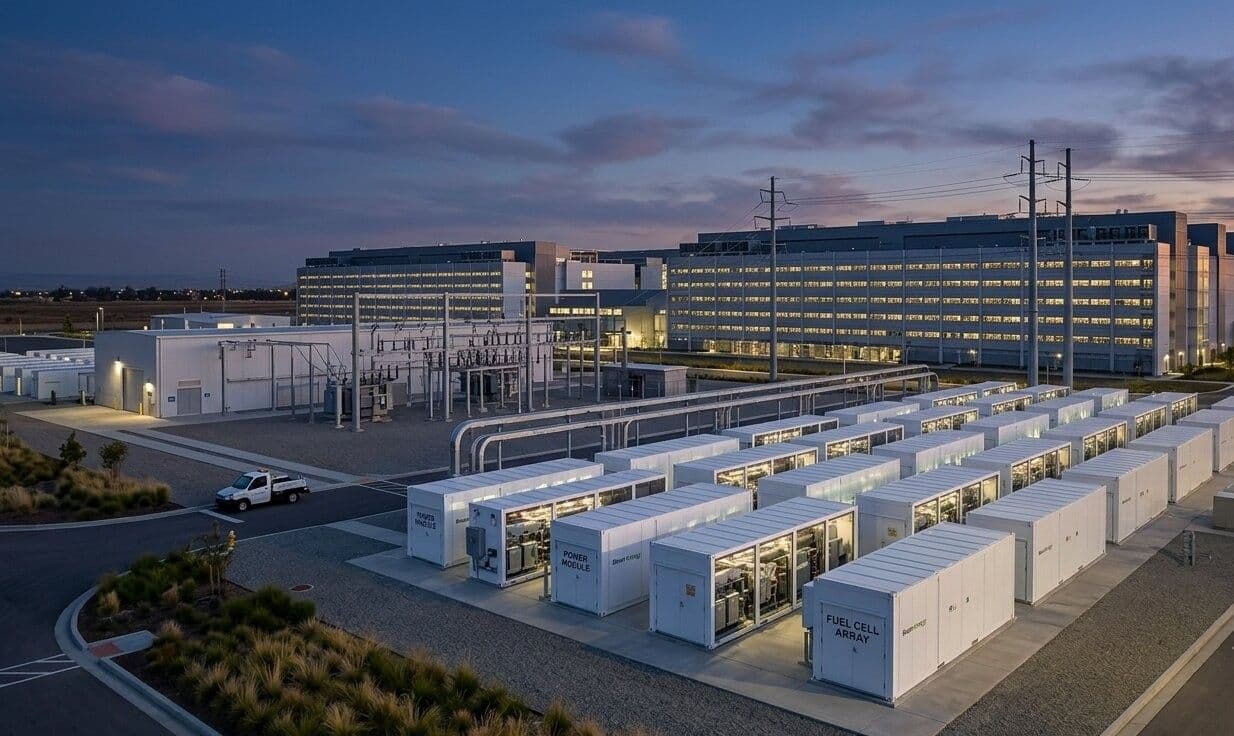
Digital Edge ESG Report 2026: How AI Energy Demand Is Reshaping Data Centres

Takeaways
- Digital Edge’s ESG Report 2026 shows how AI-driven data centre growth is increasing energy demand and making sustainability essential.
- The company embeds ESG across infrastructure design, finance, and operations, backed by renewable energy and green financing.
- AI and cloud expansion are pushing operators to balance performance with decarbonization and resource efficiency.
The Digital Edge ESG Report 2026 highlights a major shift in how digital infrastructure is evolving, with AI energy demand and cloud computing driving a sharp rise in global power consumption. The report positions data centres at the centre of the sustainability conversation, where balancing growth with environmental responsibility is becoming critical.
According to Digital Edge, sustainability is no longer a side initiative. Instead, it is deeply integrated into how modern facilities are planned, built, and operated. The company uses ESG as a guiding framework across the full lifecycle of its infrastructure, ensuring long-term reliability and performance.
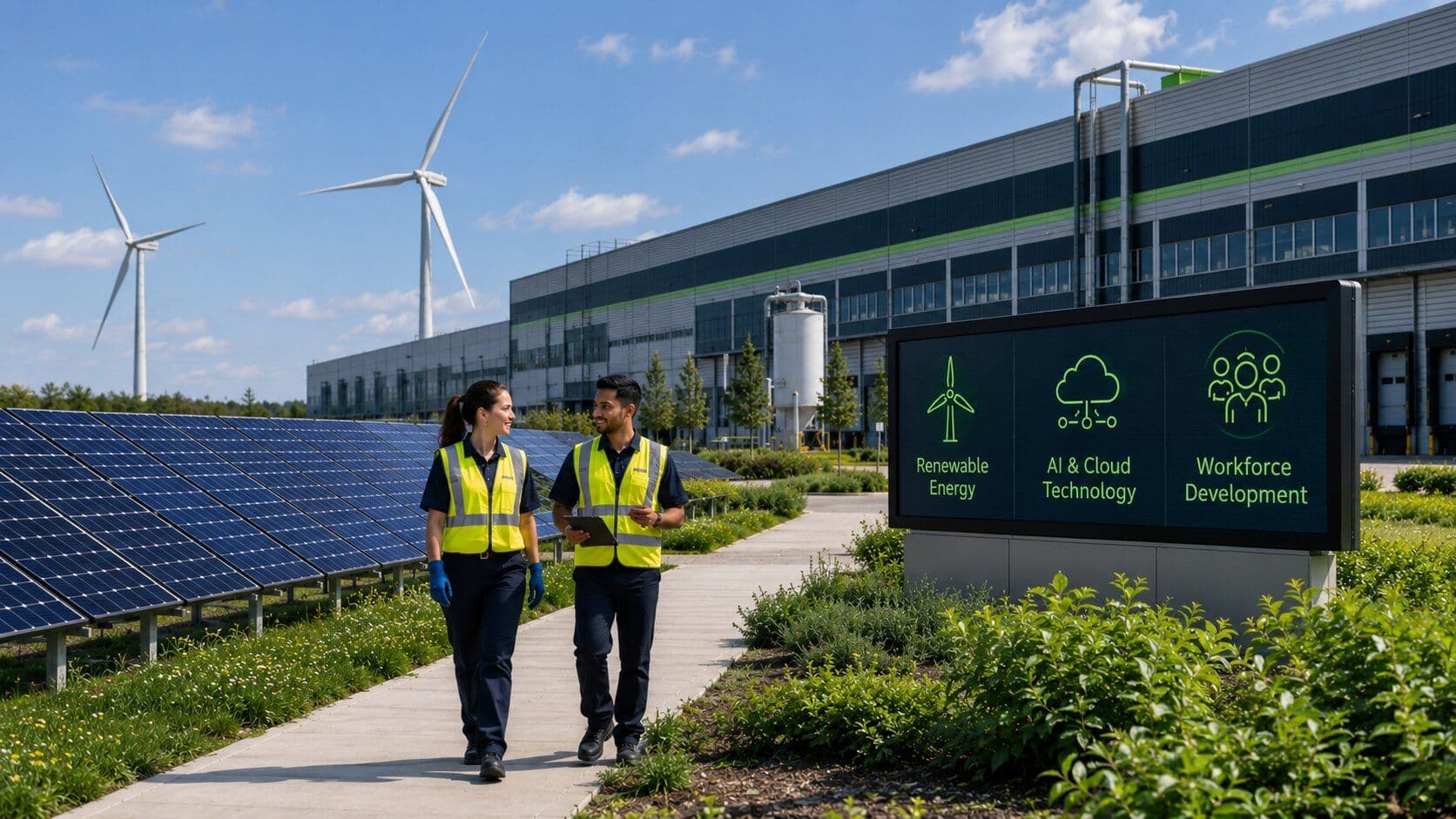
At the core of this approach are three pillars: Respect for resources, respect for people and communities, and respect for transparency. These pillars shape decisions around data centre sustainability, including energy use, water management, emissions tracking, and governance.
The report also emphasizes the role of partnerships. By working with organizations that share similar ESG goals, Digital Edge combines global standards with local expertise to scale sustainable infrastructure across markets.
Read More: As AI Grows, Data Centres Face Soaring Energy Demand
Green Finance Driving Sustainable Growth
A key feature of the report is the company’s focus on sustainable finance. Through its Green Finance Framework, Digital Edge directs investments into projects that deliver measurable environmental benefits, such as renewable energy adoption and green building certifications.
This strategy has already unlocked significant funding. The company secured large green loans to support developments in South Korea and Indonesia, including an AI-ready hyperscale campus in Jakarta. The project represents a multi-billion-dollar investment and is designed to deliver massive computing capacity while maintaining sustainability benchmarks.
These financial tools show how capital can accelerate sustainable infrastructure while maintaining disciplined expansion in a fast-growing sector.
AI Growth and Rising Energy Demand
The report identifies AI and cloud technologies as the primary drivers of rising energy efficiency in data centre challenges. As workloads become more complex, facilities require more power, increasing both energy consumption and emissions.
To address this, Digital Edge has committed to achieving 100% renewable or carbon-free electricity by 2030. However, the report notes that progress is uneven due to regional differences in renewable energy availability and the rapid pace of AI adoption.
One major step forward is a renewable power purchase agreement supporting solar energy for its Mumbai operations. This initiative is expected to significantly cut emissions while improving energy resilience.
Designing for Efficiency in AI Infrastructure
Improving AI data centre energy use is a central priority. Digital Edge is targeting a Power Usage Effectiveness (PUE) of 1.25 or better for new facilities, well below the global average.
The company’s Flexible Data Center design approach supports this goal through modular construction and scalable systems. These designs reduce build time, improve operational efficiency, and ensure consistent performance across regions.
Additionally, facilities are being built to support advanced cooling technologies, including liquid cooling, which is essential for handling the heat generated by AI workloads.
Also Read: Why AI Is Bad for the Environment: Real Costs in 2026
Circular Resource Management and Water Use
The report also highlights innovations in water and resource management. In water-stressed regions, Digital Edge uses treated greywater for cooling, reducing dependence on freshwater supplies.
Circular economy practices are another focus area. These include recycling materials, reducing waste, and extending infrastructure life cycles. A significant portion of operational waste has already been diverted from landfills, reflecting progress in this area.
Follow more news and views via our Sustainable Finance & Technology and Featured Articles sections, and stay updated on the top ESG events to attend in 2026 for industry insights and networking.
If you're looking for suitable ESG and Sustainability providers to share customized solutions specific to your business needs, you can check out KnowESG's Solutions page.
If you are an ESG provider looking to get your organization listed on our portal, visit this page.
Source: Sustainability MAGAZINE
Get the ESG Brief in your inbox
One concise email a week — the ratings moves, regulation deadlines, and vetted solutions that matter. Trusted by sustainability and finance teams.
No spam · unsubscribe anytime.