Coutinho: UK CO2 Emissions Will Increase Without Net Zero

Highlights
- UK emissions could rise if net zero policies are scrapped, according to shadow energy secretary Claire Coutinho.
- Conservative energy plan includes cutting renewable energy funding, ending carbon taxes, and expanding oil and gas production.
- Climate Change Committee data shows UK territorial emissions have fallen, whereas imported emissions have increased.
The UK emissions are set to rise under the Conservative energy plan, says shadow energy secretary Claire Coutinho.
In a recent BBC interview, Coutinho defended her party’s proposal to scrap net zero policies and repeal the Climate Change Act 2008, which legally obliges the government to reduce carbon emissions to net zero by 2050.
She claimed that the net zero law had increased electricity costs and shifted emissions abroad, without cutting global greenhouse gases.
Read More: UK Transition Finance Group Launch Deferred Over Chair Vacancy
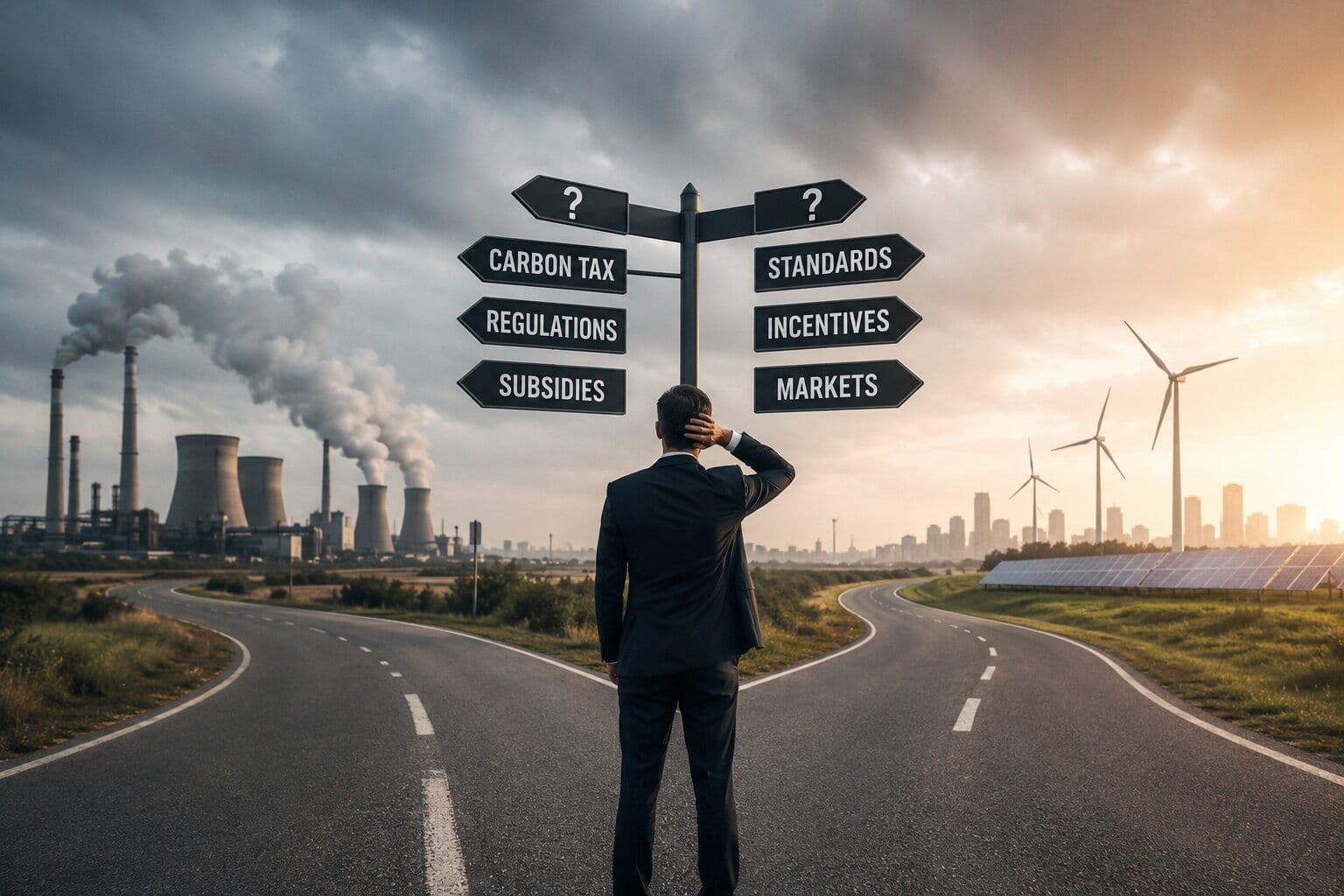
The Conservative plan includes reducing renewable energy funding, scrapping carbon taxes on electricity generation, and expanding the UK’s oil and gas sector in the North Sea.
Coutinho admitted that domestic emissions would increase under this plan, but suggested it might not worsen global emissions, since the Climate Change Act focuses only on territorial emissions within the UK.
Also Read: UK Firms Generate 88.7% of Emissions Abroad — Report
But critics have pointed out that the party has not outlined a method to measure or reduce imported emissions from goods such as steel, gas, and cement.
Despite an increase in imported emissions, the UK's emissions have been continuously declining, with levels in 2024 more than 50% below 1990 levels, according to a report by the Climate Change Committee (CCC).
The committee pointed out that the decrease in territorial emissions is greater than the increases associated with imports, indicating that the UK's prior advancements were made without offshoring pollution.
See Also: UK Govt Says UK Taxonomy Is Ineffective for Green Transition
The Labour government, on the other hand, intends to reduce energy costs and achieve 95% clean electricity by 2030, depending on nuclear and renewable energy to meet demand.
***
Are you looking for sustainability experts to guide your business? Explore our ESG Marketplace, featuring over 1000 providers offering a wide choice of sustainable advisory services.
Follow our Social and Governance News for regular news and views.
Also, if interested, check out our latest ESG Event updates.
Source: BBC
Get the ESG Brief in your inbox
One concise email a week — the ratings moves, regulation deadlines, and vetted solutions that matter. Trusted by sustainability and finance teams.
No spam · unsubscribe anytime.