7 Game-Changing Sustainable Supply Chain Management Solutions for Greener Operations

As businesses grapple with mounting environmental pressures, regulatory scrutiny, and rising stakeholder demands, sustainable supply chain management has become more than a moral imperative; it is a strategic necessity. Sustainability in the supply chain extends beyond isolated green initiatives; it means weaving environmental, social, and economic responsibility into every stage of a product’s lifecycle, from raw-material sourcing to production, distribution, and end-of-life disposal or reuse.
A well-designed green supply chain can help companies reduce their environmental footprint, build resilience, strengthen stakeholder trust, and gain a competitive advantage, especially in an era where ESG credentials increasingly influence investor and consumer decisions.
This article delves into what sustainable supply chain management means, why it matters, the benefits it offers, emerging technology enablers, seven powerful solutions for greener operations, leading providers, challenges, future trends, real-world case studies, and how companies can chart the path toward truly resilient, circular-economy-aligned supply chains.
Explanation: Supply Chain
At its core, a supply chain is the network of processes and partners involved in creating and delivering a product or service, from procurement of raw materials and manufacturing, through transportation, warehousing, distribution, and ultimately retail or consumption. Each link in this chain, from purchasing, production, logistics, storage, and delivery, consumes resources, uses energy, and often generates waste, emissions, or other environmental impacts.
Because of its reach and complexity, the supply chain represents both a major risk for environmental and social harm and a tremendous opportunity for companies to embed sustainability, reduce negative externalities, and create long-term value.
Featured Article: What Are The Challenges Of Sustainability In Business?
What Do We Understand by Sustainability in Supply Chain?

Sustainability in the supply chain (or “green supply chain management”) is about integrating environmental, social, and economic considerations into every stage of supply chain management. It means going beyond minimal compliance or isolated green steps: Sourcing responsibly, reducing resource use, minimizing waste and emissions, ensuring ethical labour practices, and designing products and processes with the full lifecycle in mind.
It’s also about embracing circular economy principles: Designing for reuse, refurbishment, recyclability, and closed-loop flows, rather than linear “take–make–dispose” models. By doing so, companies can conserve resources, minimize waste, and reduce environmental impact while creating resilience and long-term value.
Why Sustainable Supply Chain Management Matters Today
There are several compelling reasons, such as environmental, regulatory, reputational, and economic, which make sustainable supply chain management a strategic priority today.
First, regulatory and compliance pressures are rising worldwide: Governments and global frameworks are increasingly pushing for emissions reductions, waste management, material traceability, and ethical sourcing. Non-compliance risks fines, supply disruptions, and reputational damage. Second, stakeholders, from consumers to institutional investors, increasingly demand transparency, accountability, and ESG alignment. Brands with strong sustainability practices tend to enjoy better loyalty, trust, and access to capital. Moreover, supply chain disruptions (due to climate events, resource scarcity, social unrest, etc.) make resilience and sustainability crucial for business continuity.
Finally, sustainability is not only about costs; it’s about long-term value. A green supply chain can mitigate risk, reduce waste and waste-related costs, and open up opportunities for innovation, circular economy business models, and new markets. In short, sustainable supply chain management is as much about preserving the planet as it is about future-proofing business.
Featured Article: The Benefits of EcoVadis Certification for Sustainable Businesses
Key Benefits of Sustainable Supply Chain Management
Adopting green supply chain practices offers several clear benefits, such as the following:
- Environmental conservation and reduced ecological footprint: By using sustainable materials, reducing energy consumption, minimizing emissions and waste, businesses lower their environmental impact.
- Cost savings and operational efficiency: Sustainable practices often lead to long-term cost reductions through energy efficiency, waste reduction, optimized logistics, and better resource use.
- Improved brand value and stakeholder trust: Organizations that demonstrate strong sustainability credentials tend to build brand equity, stand out in the marketplace, and attract investors, customers, and partners.
- Risk mitigation and regulatory compliance: Transparency, traceability, ethical sourcing, and documentation protect against reputational, legal, and supply-chain risks, especially as regulations tighten globally.
- Innovation and competitive advantage: Green supply chain management encourages adoption of new technologies, process improvements, circular-economy thinking, and sustainable product design.
- Long-term resilience and sustainability: By incorporating sustainability into core operations, companies build supply chains that are better equipped to handle resource scarcity, regulatory shifts, and climate-related risks.
How Technology Is Transforming Sustainable Supply Chains
Technology is a powerful enabler of sustainability in supply chain management. Advanced digital tools, like AI, IoT, and blockchain, are helping organizations increase visibility, traceability, optimize operations, and drive green transition at scale.
For instance:
- IoT & real-time monitoring: IoT devices can measure energy consumption, emissions, environmental conditions, and asset use across manufacturing, warehousing, and logistics, enabling data-driven decisions for efficiency and sustainability.
- Blockchain for traceability and transparency: By recording every transaction and movement in an immutable ledger, blockchain helps verify the origin of raw materials, ensure ethical sourcing, comply with sustainability standards, and fight greenwashing.
- AI / ML and analytics: With advanced forecasting, predictive analytics, and demand planning, companies can optimize inventory, reduce waste, minimize safety stock, anticipate disruptions, and streamline logistics, all while lowering environmental impact.
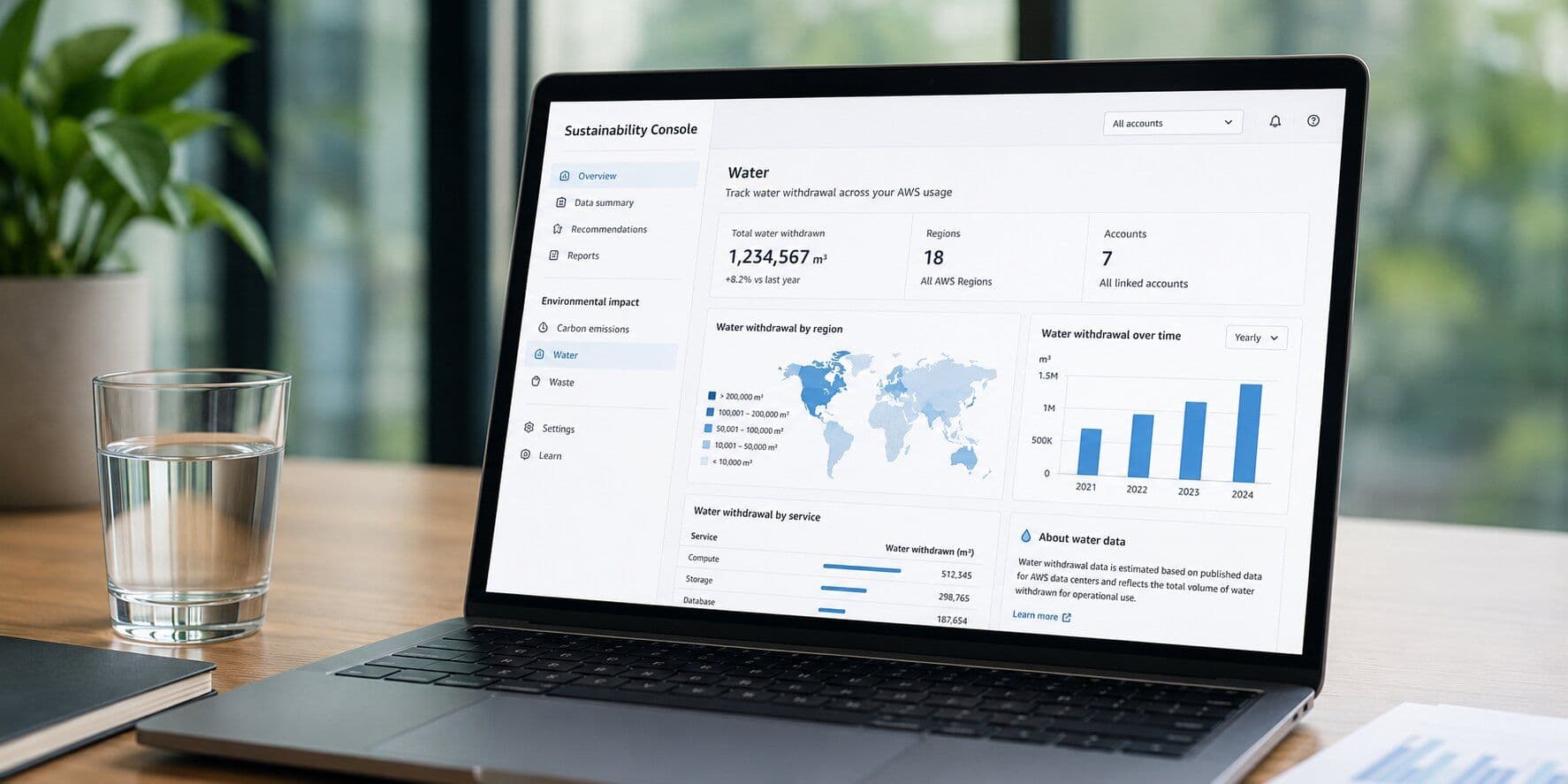
- Digital platforms and integrated dashboards: Modern supply chain software solutions bring together data on emissions, energy use, waste generation, supplier compliance, social criteria, and more, enabling businesses to track ESG KPIs, produce sustainability reports, and continuously improve.
As such, technology doesn’t just support sustainability; in many cases, it is the backbone that makes large-scale, verifiable, efficient sustainable supply chains possible.
Featured Article: Understanding ESG Metrics: Measuring Environmental, Social, and Governance Performance
7 Game-Changing Sustainable Supply Chain Management Solutions

Here are seven high-impact solutions and strategies that businesses can implement to make their supply chains greener, more resilient, and aligned with circular-economy principles.
1. Sustainable Procurement and Ethical Sourcing
Sustainable procurement means selecting suppliers and materials that comply with environmental and social standards. This involves rigorous supplier assessment, preference for certified or certified-equivalent materials, transparent sourcing, and long-term supplier partnerships. Ethical sourcing might also consider labour practices, human rights, community impact, and supply-chain traceability.
By prioritizing sustainable and ethical suppliers and insisting on transparency, companies can significantly reduce the environmental and social costs embedded in raw materials.
2. Green Manufacturing & Circular Product Design
Green manufacturing involves adopting energy-efficient processes, minimizing emissions, and optimizing resource usage in factories or production lines. Combined with circular product design, such as designing for disassembly, refurbishment, recycling, or reuse, it helps extend product lifespans and reduce waste.
This approach conserves resources and enables a shift from linear “make-use-dispose” to a circular economy model, in which products and materials remain in use for longer, and waste becomes a resource.
3. Efficient Transportation & Logistics (Green Logistics)
Transportation and logistics are often among the biggest contributors to supply-chain emissions. By optimizing routing, consolidating shipments, using intermodal transportation, employing just-in-time inventory, and planning smart logistics, companies can reduce fuel consumption, lower emissions, and improve delivery efficiency.
Moreover, adopting green logistics practices, such as pallet pooling, reverse logistics, electric or low-emission vehicles, and smart consolidation, can significantly lower the carbon footprint associated with product movement and distribution.
4. Supply Chain Visibility, Analytics, & Real-Time Monitoring
A sustainable supply chain depends on data, on energy use, emissions, resource consumption, waste generation, supplier compliance, transportation metrics, etc. By using analytics, real-time monitoring, IoT sensors, and supply chain management platforms, businesses gain visibility into every tier of their chain.
This visibility enables identification of inefficiencies, waste, and risk, so companies can optimize operations, anticipate problems, monitor supplier adherence to standards, and make data-driven improvements. It also facilitates ESG reporting, auditing, and alignment with sustainability goals.
5. Transparency, Traceability, & Blockchain-enabled Provenance
Blockchain-based supply chain solutions provide immutable, tamper-proof records of every step, from raw-material sourcing to product delivery. This ensures provenance, ethical sourcing compliance, labor standards monitoring, and reduces risks of greenwashing or supply-chain malpractice.
Such transparency is especially critical in global, multi-tiered supply chains where materials may pass through many actors. Using blockchain and digital traceability platforms can help companies prove their sustainability credentials, support audits, and meet stakeholder and regulatory demands for accountability.
6. Circular Economy Practices: Closed-Loop Logistics, Reuse, & Recycling
Adopting a circular economy model means designing supply chains that minimize waste and keep materials in use, via take-back programs, product refurbishment, remanufacturing, recycling, and closed-loop logistics. Instead of discarding used products, companies recover materials, reintroduce them into production, or repurpose them, minimizing resource extraction and landfill waste.
Closed-loop logistic models, where packaging, pallets, or other assets are reused, reduce resource consumption and emissions and can also reduce costs over time. This shift aligns with the broader goal of the circular economy and helps companies build sustainable supply chain ecosystems.
7. Sustainable Packaging and Responsible End-of-Life Management
Packaging is often a major source of waste and environmental impact in any supply chain. Innovations in sustainable packaging, such as recyclable, reusable, biodegradable, or minimal-material packaging, significantly reduce waste and carbon footprint.
Beyond packaging, responsible end-of-life management, including take-back programs, recycling, remanufacturing, waste-to-energy, or other recovery methods, ensures that products and materials don’t simply end up in landfills. Such responsible end-of-life strategies complete the circular loop and are essential for truly green supply chain management.
5 Best Sustainable Supply Chain Management Solution Providers
Here are some leading organizations and providers whose solutions stand out in enabling sustainable supply chain management:
DSV: Denmark
DSV is a globally recognized logistics and freight-forwarding company offering air, sea, road freight, and contract-logistics services across 80+ countries. Their “Green Logistics” suite enables clients to run greener supply chains, offering CO₂-reporting tools, sustainable fuel alternatives, and supply-chain design and optimization to help reduce emissions, including challenging Scope 3 freight emissions. By leveraging load consolidation, multi-modal transport, and efficient route planning, DSV enables businesses to cut carbon footprints without compromising delivery performance.
Logility (United States)
Logility delivers a digital supply chain platform built around AI-driven demand forecasting, inventory optimization, supplier management, and ESG compliance tools, increasingly relevant for sustainable supply chain management. Its latest enhancements allow companies to integrate ESG criteria (including Scope 3 emissions), vendor scorecards, traceability, and circular-economy features (returns, product lifecycle management) directly into supply-chain planning and operations. By aligning sourcing, procurement, inventory, and compliance, Logility helps companies balance profitability with sustainability, minimizing waste, reducing emissions, and ensuring supplier transparency across complex global supply networks.
Alpega (Belgium / Europe)
Alpega provides a cloud-based Transportation Management System (TMS) and an extensive freight-exchange network connecting shippers, carriers, freight forwarders, and logistics partners. With over 80,000 verified carriers in its network, Alpega enables efficient transport sourcing, load optimization, and real-time visibility, factors that significantly reduce empty miles and carbon emissions. Their sustainability commitment extends to carbon-footprint calculation, ESG reporting tools, and greener transport optimization, making Alpega an ideal choice for companies that aim to reconcile large-scale logistics operations with circular-economy and green supply-chain goals across Europe and beyond.
s-cubed (United Kingdom / Global)
s-cubed is a supply-chain sustainability and risk-assessment platform that helps companies measure, monitor, and manage sustainability and resilience risks across their supplier portfolios. Covering over 1.4 million companies across 120+ industries and 124 countries, s-cubed offers tools such as the “Portfolio Analyzer” for supplier-ecosystem overview and the “Company Analyzer” for deep dives into individual suppliers’ financial and sustainability risk metrics. For organizations seeking data-driven supply-chain due diligence and ESG-compliance assurance, s-cubed offers a strong, risk-focused solution.
Everledger (United Kingdom / Global)
Everledger is a platform focused on supply-chain transparency and provenance, using blockchain and digital-ledger technologies to track the origin, ownership, and characteristics of products, particularly in industries where provenance, authenticity, ethical sourcing, and sustainability matter.
By providing immutable records of product lifecycle events, from raw material sourcing through manufacturing, transport, and eventual sale, Everledger enables companies to offer transparency around ethical sourcing, sustainability claims, and “chain of custody” compliance. This helps build trust with customers, stakeholders, and regulators in contexts where green supply chain management and sustainability credentials are vital.
If you are an ESG service provider looking to claim this listing, click here.
Comparative Analysis: DSV vs. Logility vs. Alpega vs. s-cubed vs. Everledger
| Provider | Key Features / Services | Benefits for Sustainable Supply Chains | Limitations | Pricing / ROI Signals |
|---|---|---|---|---|
| DSV | Global freight (air, sea, road), contract logistics, “Green Logistics” offering CO₂ reporting, sustainable fuel options, multi-modal transport, supply-chain design & optimization. | Enables companies to reduce transport-related emissions, optimize load and routes, and access greener logistics at scale; helps manage the Scope 3 freight footprint. | Sustainability gains depend on the adoption of green logistics options by clients, limited control over upstream sourcing, or manufacturing emissions. | Public pricing not disclosed; ROI arises from logistics efficiency, emission reductions, and potential cost savings via consolidation and alternative transport modes. |
| Logility | Digital supply chain platform: AI/ML forecasting, demand & inventory planning, supplier management & ESG compliance, traceability, circular-economy features (returns, lifecycle). | Helps embed sustainability into core supply-chain planning, reduces waste, manages supplier compliance, supports circular models, and integrates ESG goals. | Effectiveness depends on data quality and supplier participation; complex supply networks may limit full traceability; it requires organizational change and training. | SaaS-based model; ROI via reduced waste, optimized inventory costs, lower carbon footprint, and improved supplier compliance, likely payback when scale is sufficient. |
| Alpega | Cloud-based TMS + freight-exchange network with 80,000+ carriers, load optimization, transport sourcing & execution, carbon-footprint tracking, and real-time visibility. | Reduces empty miles, improves transport efficiency, enables carbon-aware route & carrier selection significant emissions and cost savings for logistics-heavy operations. | Mainly addresses transport and logistics; does not cover upstream sourcing or manufacturing emissions; requires consistent use and engagement from stakeholders to realize benefits. | Independent reports suggest significant efficiency gains and cost savings; companies commonly realize faster payback and improved ESG-related logistics performance. |
| s-cubed | Supplier-portfolio and company-level ESG & sustainability risk analytics; tools for measuring, monitoring, and managing sustainability and resilience risks across global supply-chain networks. | Helps companies anticipate sustainability risks (e.g., regulatory, environmental, social), avoid greenwashing, manage supplier compliance, and enhance overall supply-chain resilience. | Relies on data availability from suppliers; if upstream tiers are secretive or uncooperative, coverage may be incomplete; insights highlight risk but don’t directly reduce emissions | Subscription or licensing model (not publicly disclosed); value stems from risk mitigation, compliance assurance, and reduced due diligence costs rather than direct emission reduction. |
| Everledger | Blockchain-based provenance and traceability ledger for products and materials; records lifecycle events and supply-chain transactions for transparency, verification, and audit readiness. | Provides immutable traceability, enables companies to verify ethical sourcing, support circular economy claims, prevent greenwashing, and build trust with stakeholders and consumers. | Implementation may require linking physical products with digital IDs (RFID, IoT), which adds cost and complexity; supply-chain partners need to collaborate for full coverage. | Costs vary based on scale and integration complexity; ROI from enhanced brand value, compliance, reduced risk of mis-labeling or fraud, and improved stakeholder trust. |
Featured Article: Definitions of Sustainability: A to Z Guide on Sustainability
Sustainable Supply Chain Management: Challenges
Despite the promise and benefits, transitioning to a sustainable supply chain is not without its challenges. Complex, multi-tiered supplier networks make traceability and compliance difficult. Small or remote suppliers may lack resources or incentives to follow sustainable practices. Upfront costs for technology, certification, greener materials, or redesign can be high.
Data fragmentation, lack of standardized reporting metrics, and limited visibility into every tier of the supply chain also make sustainability hard to measure and manage. Moreover, aligning across diverse stakeholders, suppliers, manufacturers, and logistics providers often involves navigating conflicting priorities, regulatory regimes, and differing maturity levels of sustainability practices.
Finally, the shift to circular models or closed-loop logistics can require significant changes in business design, customer behavior, reverse-logistics infrastructure, and supply chain culture.
Future Trends in Sustainable Supply Chains

The future of sustainable supply chain management is being shaped by several key trends:
- Wider adoption of circular economy and closed-loop models: Companies are increasingly designing products, packaging, and supply chains for reuse, remanufacturing, refurbishment, and recycling, minimizing waste and conserving resources. Research on circular supply-chain networks (even in sectors like PPE and healthcare) demonstrates their potential economic and environmental gains over linear supply chains.
- Industry 5.0, green materials, and sustainable composites: Advances in lightweight, composite, and renewable-material supply chains, especially in industries such as automotive, construction, and manufacturing, allow lower energy consumption, lower emissions, and greater efficiency. The growing academic and industry focus on sustainable material supply chains supports this trend.
- Greater digitalization, data-driven sustainability, and integrated ESG reporting: As IoT, AI, blockchain, and analytics mature, companies will increasingly adopt unified platforms to monitor environmental, social, and governance (ESG) KPIs across their supply chain, from raw materials to end-of-life. This improves transparency, helps meet regulatory and stakeholder demands, and enables continuous improvement.
- Regulatory tightening and standardization around sustainability and ESG: Governments and regulatory bodies are likely to mandate greater traceability, reporting, circular economy practices, and waste reduction. As compliance becomes more complex, companies will need to embed sustainability structurally, not as a side project.
- Rise of green-first business models and circular-economy business strategies: More companies will explore business models such as product-as-service, take-back, and refurbishment programs, remanufacturing, sharing economy models, all aligned with sustainable supply chain and circular economy principles.
Featured Article: Top 5 Social Sustainability Examples You Need To Know
Case Studies: Sustainable Supply Chain Strategies
Blockchain-enabled Traceability in Food Supply: Walmart & IBM
Walmart, working with IBM’s blockchain-based platform, significantly improved the traceability of food products, reducing the time needed to track the origin and journey of produce from days to seconds. This capability helps ensure food safety and reduces waste, supports transparency, builds consumer trust, and strengthens sustainable sourcing practices.
Circular Material Use and Closed-Loop Supply Chain: UBQ Materials
UBQ Materials, a cleantech company, transforms mixed household waste, including organic content, into a bio-based thermoplastic composite usable across industries, including construction, automotive, retail, and logistics. By converting waste streams into reusable raw materials, UBQ exemplifies circular economy thinking, reducing demand for virgin resources and enabling more sustainable supply-chain materials.
The Path to Greener, More Resilient Operations
Sustainable supply chain management is no longer optional; it is a strategic imperative for businesses that aim to stay relevant, responsible, and resilient. By integrating green practices across procurement, production, logistics, packaging, and end-of-life management, companies can reduce environmental impact, lower costs, build brand value, and align with circular economy principles.
For businesses seeking a trusted partner to help navigate this transformation, KnowESG offers expertise, frameworks, and solutions tailored to sustainable supply chain management. By leveraging KnowESG’s services, from supply-chain ESG assessments and traceability audits to sustainable procurement strategy, circular-economy roadmaps, and ESG reporting support, companies can accelerate their transition to greener operations, meet regulatory and stakeholder demands, and build resilient, future-proof supply chains.
Featured Article: ESG Trends: Annual Outlooks, Regulations, and Developments
Frequently Asked Questions (FAQs)
Why is sustainability important in supply chain management?
Sustainability is important in supply chain management because it reduces waste, lowers greenhouse gas emissions, and improves the long-term resilience of supply chain operations. A sustainable supply chain strengthens the relationship between companies and their stakeholders by prioritizing environmental and social responsibility.
It helps businesses protect the environment, use resources efficiently, and create more sustainable products that consumers increasingly expect. With growing pressure on supply chains and the environment, companies need to adopt sustainable supply chain management to remain competitive and compliant with global regulations.
What are the three pillars of sustainability in a supply chain?
The three pillars of sustainability in a supply chain are environmental, social, and economic sustainability.
- Environmental sustainability focuses on reducing waste and pollution, improving energy efficiency, and lowering the environmental impact of supply chains.
- Social sustainability ensures fair labor practices, worker safety, and responsible sourcing throughout the supply chain.
- Economic sustainability supports long-term profitability through efficient use of materials, reduced operational costs, and stronger supply chain resilience.
Together, these pillars guide sustainable development and help companies build a more sustainable supply chain.
How to make a supply chain sustainable?
To make a supply chain sustainable, companies need to:
- Improve transparency in the supply chain through better data and traceability.
- Reduce waste and emissions using circular economy practices, such as reusing materials.
- Adopt sustainable supply chain practices like responsible sourcing and energy-efficient transportation.
- Work closely with suppliers to ensure environmental and social standards are met.
- Integrate technology such as AI and analytics to support sustainable supply chain management.
These best practices help companies build more sustainable supply chains that benefit the environment and the economy at the same time.
What does supply chain management do?
Supply chain management oversees the flow of materials, products, and information from the supplier to the end customer. It coordinates procurement, production, transportation, and distribution to ensure that products reach consumers efficiently and on time. Sustainable supply chain management expands this role by ensuring that operations have a minimal impact on the environment and support ethical labor practices. Overall, supply chain management helps companies balance cost, quality, speed, and sustainability.
Get the ESG Brief in your inbox
One concise email a week — the ratings moves, regulation deadlines, and vetted solutions that matter. Trusted by sustainability and finance teams.
No spam · unsubscribe anytime.