What Google’s AI Climate Footprint Tells Us About Energy and Emissions

Artificial intelligence has become central to how people search, learn, and work. But as the technology expands, so do questions about its environmental impact. For climate-conscious observers, the rise of AI-driven internet queries has raised alarms about energy use and carbon emissions.
The Cost of an AI Query
Recent estimates show that AI-powered searches use significantly more energy than traditional queries. ChatGPT estimates that a single prompt may consume up to 0.34 watt-hours, roughly the same as powering a household lightbulb for 20 seconds. Some researchers suggest that longer prompts could consume 100 times more energy.
On Thursday, Google released new data on the climate footprint of its Gemini AI tool. The company reported that the average Gemini search uses 0.24 watt-hours, about the same as watching nine seconds of television, and emits 0.03 grams of carbon dioxide equivalent.
What stands out, however, is the progress Google claims to have made. Over the past year, the company says energy use per text query has fallen by 97%, while carbon emissions per query dropped by 98%. These figures only cover text-based queries and do not include the far more energy-intensive process of training AI models.
Read More: Understanding AI Pollution: Environmental Impact and Sustainable Solutions
Efficiency and Clean Energy Investments
Google’s strategy for cutting its AI climate footprint relies on two key areas: Using cleaner power and improving efficiency.
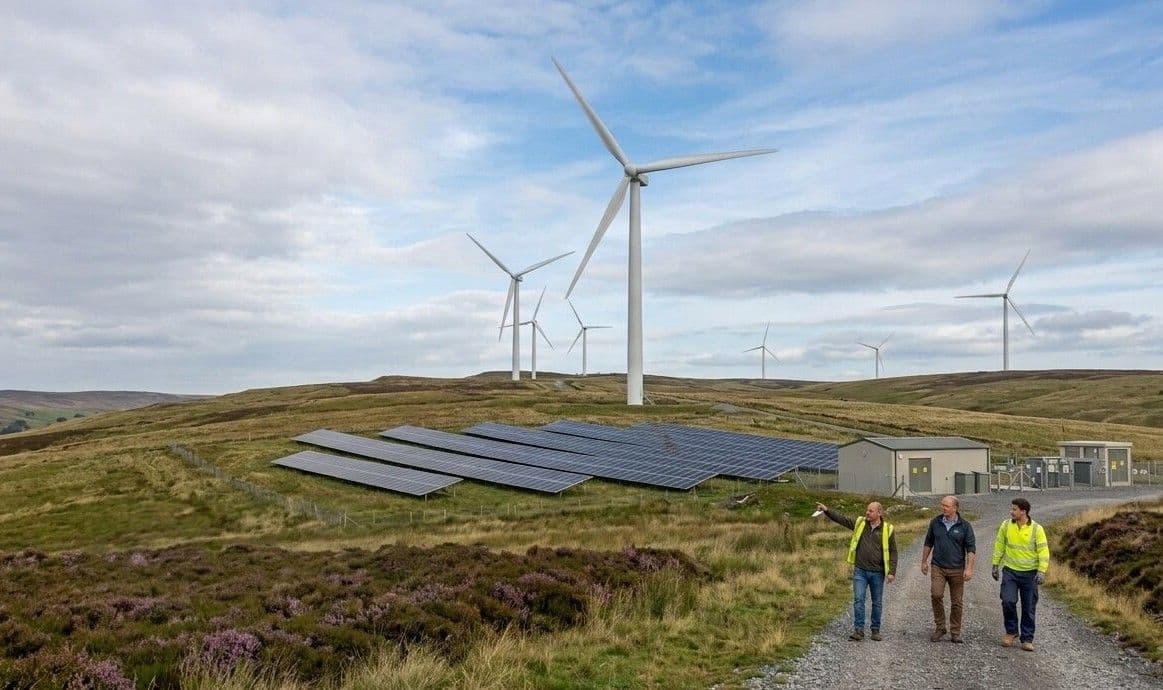
On the clean energy front, the company has signed contracts to purchase 8 gigawatts of renewable energy in 2023 alone. That is equal to the capacity of roughly 2,400 utility-scale wind turbines, according to U.S. Department of Energy estimates. Beyond renewables, Google is also investing in emerging technologies such as nuclear fusion to further green its energy supply.
Efficiency gains, meanwhile, have come largely from the AI ecosystem itself. Instead of relying on widely used GPUs, Google has developed its own chips, called TPUs (Tensor Processing Units), which it says are 30 times more efficient since 2018. The company has also optimized how its models process queries, reducing the computing power required.
In addition, Google recently introduced a system to shift data center demand to times when the electricity grid is less strained, helping balance energy use across the day.
The Bigger Picture
The broader question is whether these efficiency gains can keep pace with the surging demand for AI. If improvements continue, it could mark a major climate win. But if AI usage grows faster than efficiency improvements, emissions could still rise sharply.
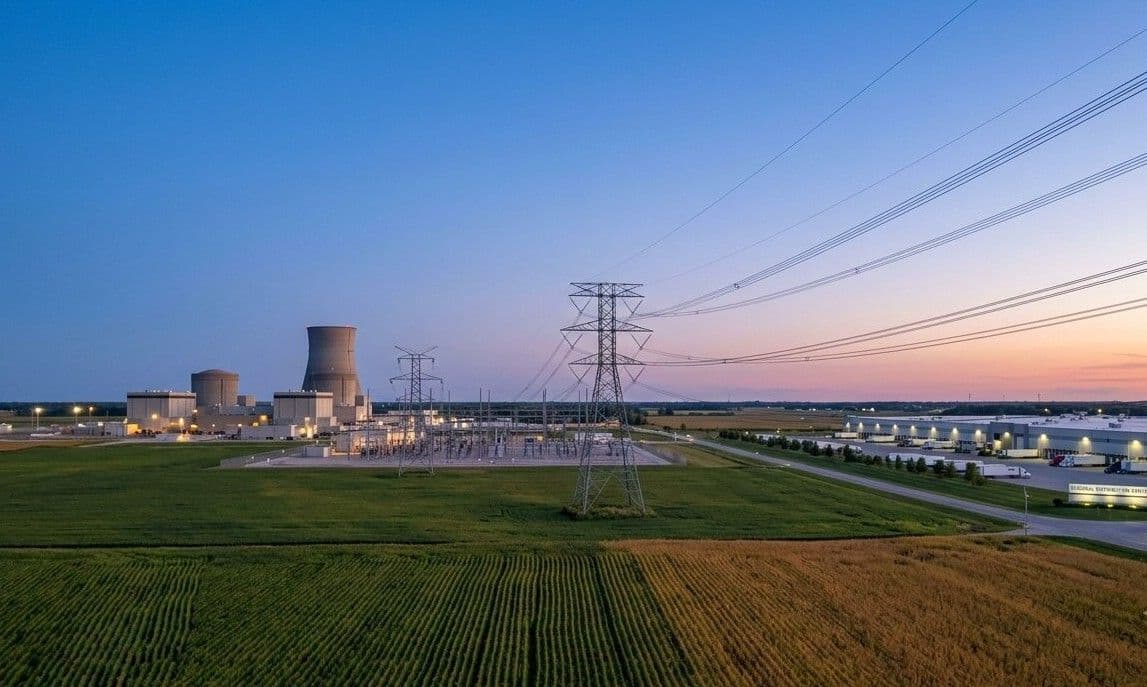
This balancing act also matters for the energy industry. Power companies are currently making massive investments in new electricity generation, anticipating that AI will drive significant growth in demand. Google’s progress suggests that efficiency could reshape those projections, but the future remains uncertain.
Also Read: How Chemistry Could Keep AI’s Energy Demands from Harming the Climate
Looking Ahead
Google’s efforts highlight both the promise and the challenge of managing AI’s environmental footprint. Cleaner energy and smarter chips have delivered impressive results, but the road ahead depends on whether those gains can keep pace with explosive demand.
For now, the numbers provide a cautiously optimistic picture: AI can become more climate-friendly, but only if efficiency outpaces growth.
Follow more news and views via our ESG Tech and Featured Articles sections, and stay updated on the top ESG events to attend in 2025 for industry insights and networking.
Source: TIME
Get the ESG Brief in your inbox
One concise email a week — the ratings moves, regulation deadlines, and vetted solutions that matter. Trusted by sustainability and finance teams.
No spam · unsubscribe anytime.