Vietnam Accelerates Green Energy Transition for Net-Zero 2050

Highlights
- Vietnam targets net-zero emissions by 2050 with major renewable energy expansion.
- Coal and gas capacity to decline as solar, wind, and green hydrogen projects grow.
- $373 billion investment needed, with support from global partners and private sector.
Vietnam has set a goal of reaching net-zero emissions by 2050 and aims to balance the greenhouse gases it produces with reductions through clean energy.
At the moment, thermal power plants (coal and gas) generate over half of the country’s electricity. However, these plants release large amounts of CO2, which harms the environment. To meet its climate commitments, Vietnam plans to gradually reduce its dependence on fossil fuels.
According to projections, CO2 emissions will peak between 2031 and 2035 at about 231 million tonnes. After that, emissions are expected to fall, reaching only 40 million tonnes per year by 2050. This drop is mainly due to replacing coal and gas with renewable energy sources such as solar and wind power.
Read More: Coca-Cola Vietnam Pilots Green Pallets Made from Coffee Husks
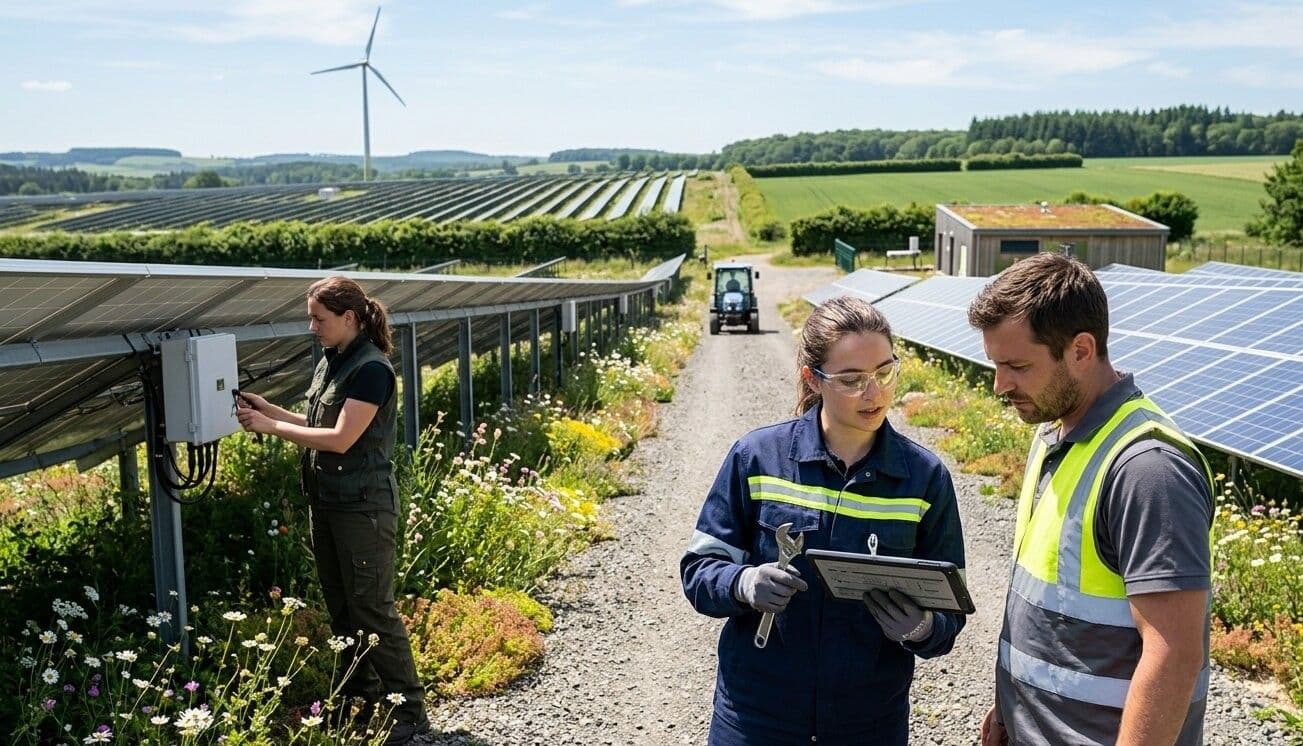
Vietnam has vast renewable energy potential and is already recognised as a regional leader. The country currently has more than 20 GW of renewable capacity installed and has attracted about USD 17 billion in private investment over the past two years.
Studies suggest that Vietnam could add as much as 370 GW of renewable capacity by 2040, which would significantly reduce reliance on fossil fuels.
The government has revised its National Power Development Plan after COP26. Compared to earlier plans, there will be a reduction in coal and gas capacity and a major increase in solar, onshore wind, and offshore wind projects. To support this transition, Vietnam must also upgrade its grid systems, energy storage technologies, and power purchasing frameworks to make renewable energy more reliable and affordable.
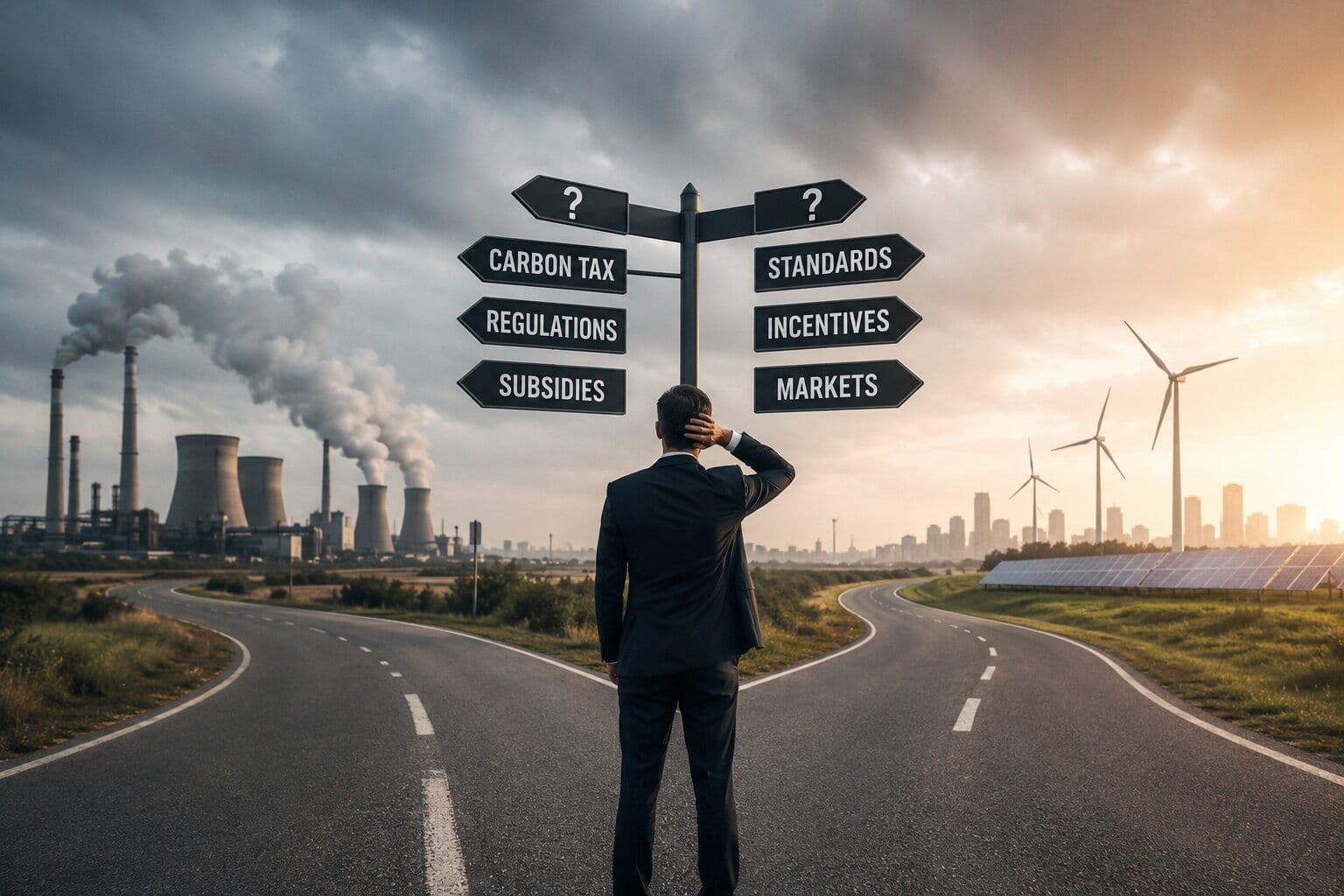
Despite the progress, the country faces serious challenges. The total cost of the transition is estimated at USD 373 billion, and there are concerns about rising electricity costs for households and the loss of jobs in fossil fuel industries. To address these challenges, Vietnam is focusing on energy efficiency measures, developing green hydrogen and ammonia technologies, and creating a domestic carbon market to raise funds.
Also Read: Study: Vietnam’s GHG Emissions Rose Sharply in 2024
Vietnam is also seeking international financial and technical support to make this transition possible. Organisations like the World Bank have pledged to assist with low-cost climate financing, knowledge sharing, and investment mobilisation. At the same time, Vietnam is working to encourage private sector participation in clean energy projects.
On the whole, Vietnam is determined to shift from a fossil-fuel-dependent economy to one powered by renewables and low-carbon technologies. While the journey involves high costs and risks, the country’s actions reflect a strong commitment to a sustainable future with global backing.
Ends/
Are you looking to expand your sustainable operations with the help of industry experts, setting aside the influence of Trump? Discover an extensive network of ESG and sustainability providers here, offering a wide choice of green services.
Follow KnowESG’s Social and Governance News for regular news and views.
Also, check out our latest ESG Online Course updates
Source: Vitenamnet
Get the ESG Brief in your inbox
One concise email a week — the ratings moves, regulation deadlines, and vetted solutions that matter. Trusted by sustainability and finance teams.
No spam · unsubscribe anytime.