Industrial Decarbonization: The Workforce Revolution Behind Green Jobs

Takeaways
- Industrial decarbonization is reshaping the labour market, creating new green jobs and transforming traditional roles.
- The shift demands large-scale upskilling, stronger industry–academia partnerships, and climate-focused education to close the widening skills gap.
- Emerging climate tech sectors and clean-energy industries are unlocking new entrepreneurial and career opportunities worldwide.
Industrial decarbonization has reached a decisive moment as climate change accelerates and global industries face mounting pressure to reduce emissions. As manufacturing, energy, and heavy-industry sectors undergo rapid transformation, the shift is not only technological; it is fundamentally reshaping the nature of work and the future of green jobs. Careers in sustainability, climate action, environmental protection, and renewable energy are becoming essential to support the worldwide low-carbon transition.
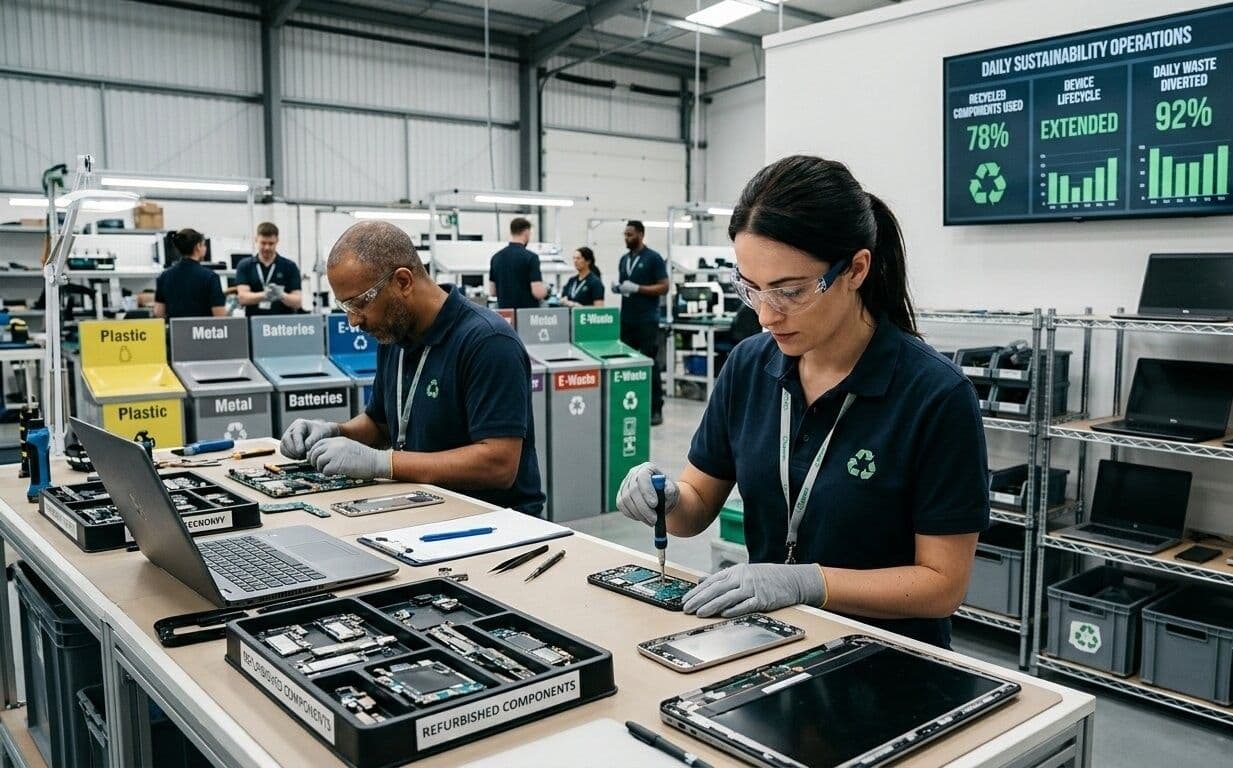
The push to decarbonize heavy industries such as steel, cement, and chemicals is creating an entirely new skills landscape. Deep decarbonization is not a single technological switch; it involves electrification of processes, fuel switching to low-carbon hydrogen, deploying carbon-capture systems, redesigning industrial operations, and embedding life-cycle assessments. Each step requires specialized labour. At the same time, digital tools, such as AI-based predictive maintenance, digital twins, and advanced process control, are becoming indispensable, driving demand for multidisciplinary professionals who can link engineering with data science and systems thinking.
Read More: Green Jobs are Redefining the Workforce
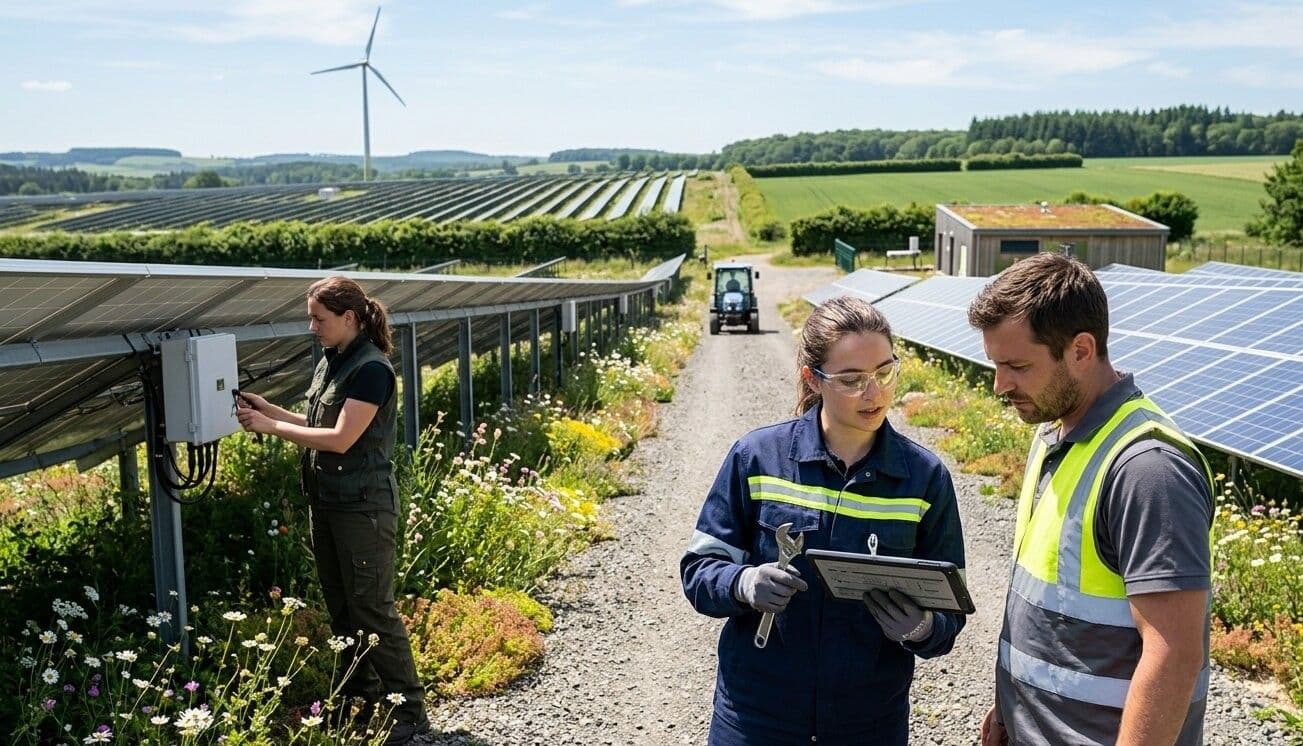
This transition is generating two parallel labour-market shifts. New roles like Hydrogen Systems Engineer, Carbon Capture Specialist, Climate Data Scientist, and Renewable Energy Developer are emerging at a pace. Meanwhile, traditional engineering and operations roles are being reshaped, requiring workers to adapt to advanced software tools and next-generation industrial technologies. As green jobs surge, a widening skills gap is becoming a major challenge for industries seeking to decarbonize effectively.
To address this, universities, technical institutes, and training providers are expanding climate-focused programmes. Sustainability and clean-energy concepts are increasingly being integrated into engineering and manufacturing curricula. New certification courses and upskilling programmes, such as Climate Action Fellowships and Climate Leadership initiatives, are preparing mid-career professionals for cross-sectoral roles in industrial decarbonization. These programmes blend technical knowledge with policy insights and hands-on training, helping build a workforce ready for the demands of a modern low-carbon economy.
Industry-academia collaboration is becoming central to this effort. Companies are partnering with educational institutions to create work-integrated learning pathways, offer real-world exposure to decarbonization challenges, and support innovation. Startup accelerators and climate-innovation labs are also emerging, helping students and entrepreneurs test solutions such as low-carbon materials, alternative energy sources, and waste-to-wealth technologies.
At the same time, the rise of climate tech entrepreneurship is opening new career opportunities. Startups working on breakthrough solutions, from bio-based materials to green hydrogen and carbon-removal technologies, are attracting capital and specialized talent across research, manufacturing, and systems integration.
Also Read: The Booming Green Economy: The Growth of Climate-Related Jobs
As the world moves toward net-zero targets, millions of jobs will require redefined skill sets rooted in interdisciplinary science. The transition must also remain inclusive, with accessible training and flexible recruitment practices to support workers in vulnerable sectors. Industrial decarbonization is ultimately a workforce revolution, one that promises cleaner, smarter, and more interconnected industries powered by an adaptive and future-ready generation of sustainability professionals.
Follow more news and views via our Social & Governance and Featured Articles sections, and stay updated on the top ESG events to attend in 2025 for industry insights and networking.
If you're looking for suitable ESG and Sustainability providers to share customized solutions specific to your business needs, you can check out KnowESG's Solutions page.
Source: The Statesman
Get the ESG Brief in your inbox
One concise email a week — the ratings moves, regulation deadlines, and vetted solutions that matter. Trusted by sustainability and finance teams.
No spam · unsubscribe anytime.