Why ESG Disclosure Is No Longer Optional for Global Capital Markets

Takeaways
- ESG disclosure is rapidly shifting from a voluntary practice to a mandatory regulatory requirement across major global markets.
- Governments are enforcing standardized ESG reporting to improve transparency, protect investors, and guide capital toward sustainable activities.
- African markets face challenges but also strong opportunities to attract ESG-focused capital through early adoption and clear regulatory frameworks.
Environmental, Social, and Governance (ESG) disclosure is no longer a matter of corporate choice. Across global capital markets, it is becoming a regulatory obligation that directly affects investment decisions, access to finance, and corporate credibility.
According to PricewaterhouseCoopers (PwC), carbon disclosure and green finance rules are moving decisively from voluntary guidelines to mandatory reporting frameworks. This shift reflects growing investor demand for standardized, auditable ESG data that can be compared across companies and regions.
By 2025, several major economies, including the European Union, the United Kingdom, the United States, Canada, Australia, Japan, and Singapore, introduced mandatory ESG reporting for large companies. Regulators and investors now expect ESG disclosures to be published alongside financial statements as part of annual reporting cycles.
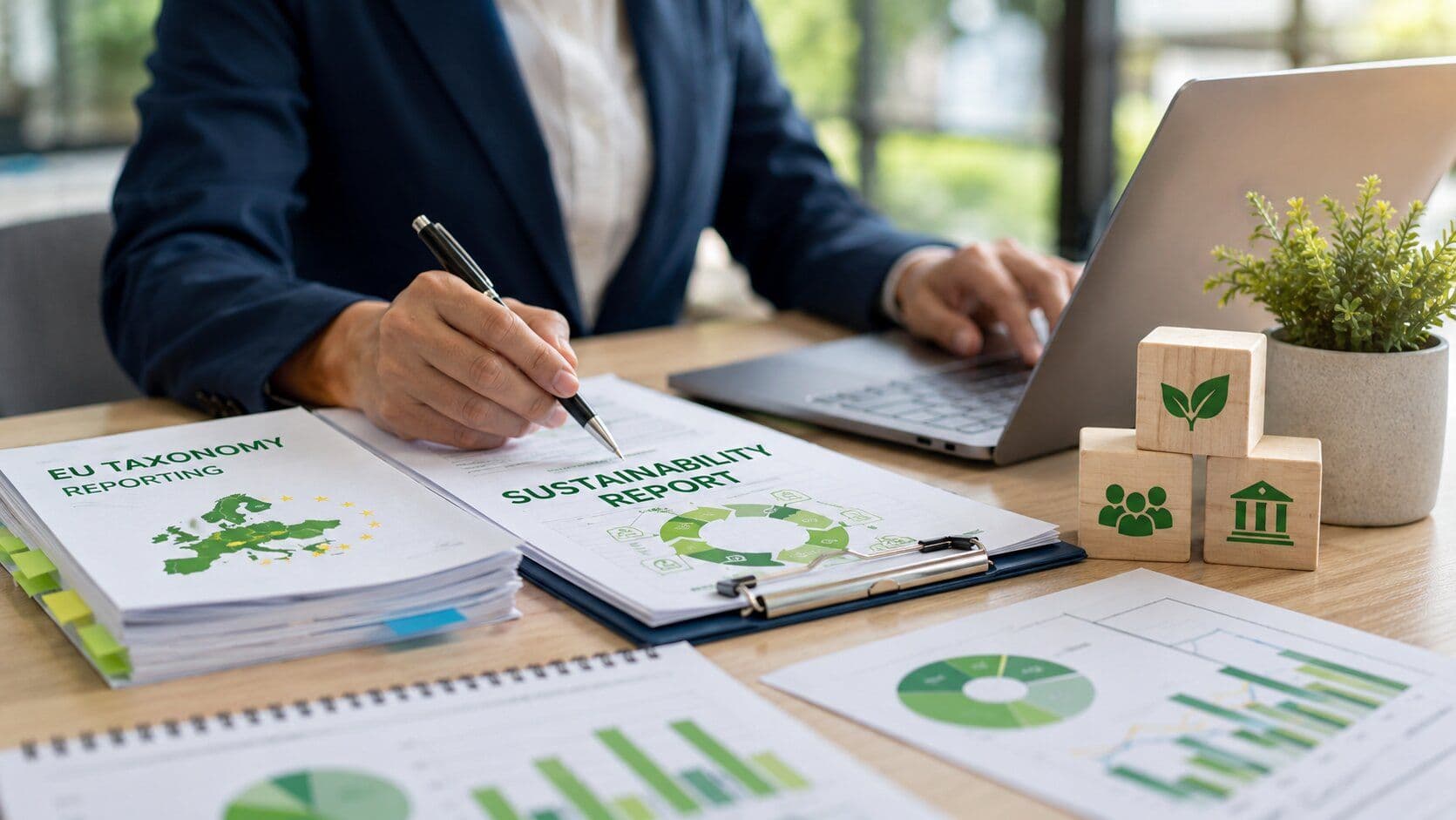
In Europe, the Corporate Sustainability Reporting Directive (CSRD) came into force in January 2023. The rules apply to large EU companies and non-EU firms generating more than €150 million in EU revenue. Companies must report under the European Sustainability Reporting Standards, covering environmental impacts, governance practices, and sustainability performance. Penalties for non-compliance can be severe, with some EU countries imposing fines running into hundreds of thousands of euros.
Read More: What Are ESG Bonds? Benefits & Future of Green Investing
The United States has also taken significant steps. California became the first state to mandate ESG reporting through Senate Bill 253, signed in October 2023. From 2026, companies doing business in California with annual revenues above $1 billion must disclose Scope 1 and Scope 2 emissions, with Scope 3 disclosures required from 2027. Senate Bill 261 adds further requirements, obliging companies with revenues above $500 million to publish climate-related financial risk reports every two years or face penalties.
In Asia, Japan’s Financial Services Agency now requires listed companies to align sustainability disclosures with ISSB standards. In India, the Securities and Exchange Board of India deferred mandatory value-chain ESG disclosures under its Business Responsibility and Sustainability Reporting framework to the 2026 financial year, giving companies more time to prepare.
Failure to comply with these rules carries financial, legal, and reputational risks. Beyond fines and potential director liability, public disclosure failures can damage investor confidence and lead to lost business, especially as global buyers increasingly favor ESG-compliant suppliers.
The regulatory push is also accelerating green finance. The global green bond market has expanded rapidly, growing from under $50 billion in 2015 to around $2.8 trillion by 2023. Research published in the Journal of Accounting Research shows that mandatory ESG disclosure improves stock liquidity, particularly when backed by strong enforcement.
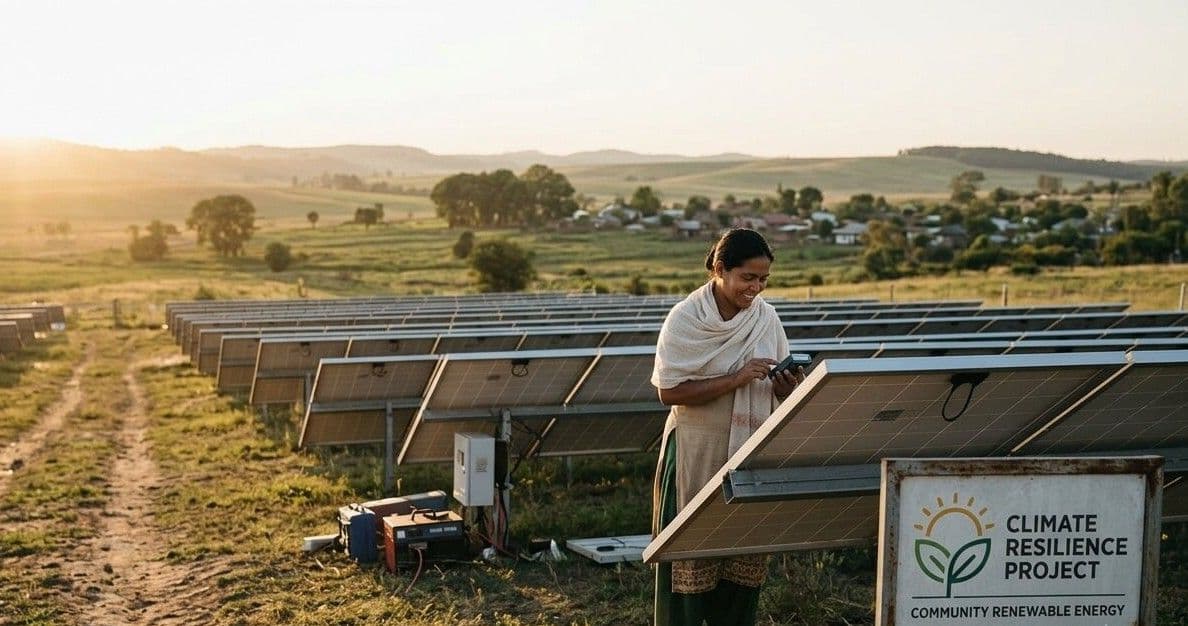
For Africa, the transition presents both challenges and opportunities. While ESG adoption is hindered by limited resources and technical capacity, regulatory momentum is building. According to the Absa Africa Financial Markets Index, 23 African countries now integrate ESG measures into financial market frameworks. Institutions such as the African Development Bank are supporting this shift through sustainable bond programs and green finance initiatives.
Also Read: The Ever-Changing Landscape Of ESG
As ESG disclosure becomes a formal requirement rather than a voluntary benchmark, capital markets are being reshaped. Companies and countries that act early and invest in credible ESG frameworks are better positioned to attract sustainability-focused global capital and strengthen long-term market resilience.
Follow more news and views via our Reporting & Standards and Featured Articles sections, and stay updated on the top ESG events to attend in 2025 for industry insights and networking.
If you're looking for suitable ESG and Sustainability providers to share customized solutions specific to your business needs, you can check out KnowESG's Solutions page.
If you are an ESG provider looking to get your organization listed on our portal, visit this page.
Source: NEWS GHANA