ECB Climate Disclosures Show Continued Emissions Decline Across Portfolios

Takeaways
- The European Central Bank (ECB) reported continued declines in portfolio emissions across its monetary policy portfolios and foreign reserves in 2025.
- The Eurosystem remains on course to meet its climate goals, while the ECB introduced new inflation-adjusted emissions metrics and expanded Scope 3 emissions reporting.
- Green bond investments increased to 33% of the ECB’s own funds portfolio, with a target of reaching 35% in 2026.
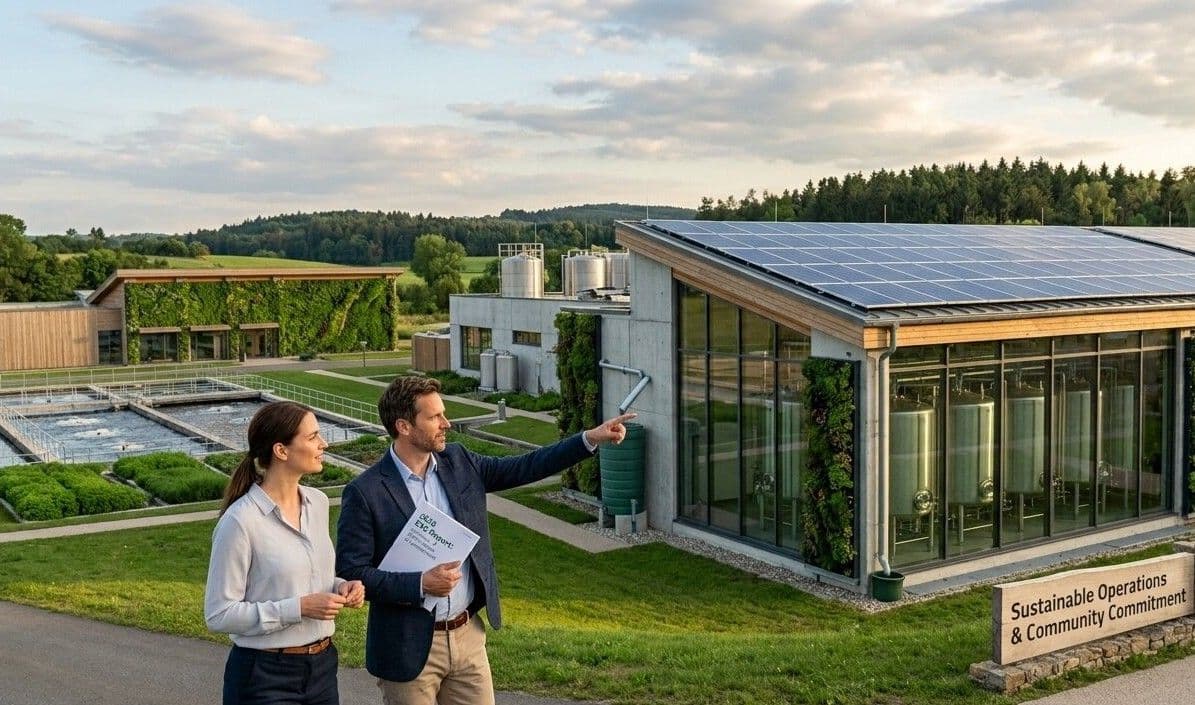
The European Central Bank (ECB) has released its latest climate disclosures, showing that carbon emissions linked to its investment and monetary policy portfolios continued to decline in 2025. The findings indicate that the Eurosystem remains on track to achieve its climate objectives while expanding transparency around climate-related risks and emissions reporting.
The disclosures cover the ECB’s foreign reserves, monetary policy portfolios, staff pension fund, and its own funds portfolio. Together, they provide insight into how one of the world’s largest central banks is incorporating climate considerations into investment management and financial risk oversight.
According to the report, portfolio emissions associated with the Eurosystem’s monetary policy holdings and foreign reserves fell further during 2025. A major reason for the decline was the continued reduction in portfolio size, which contracted by 13% over the year.
Read More: The Fallout and Future of the Climate Disclosure Rule
While the decrease reflects progress in carbon emissions reduction, it also highlights a challenge for the ECB. As portfolios shrink, there are fewer opportunities to direct reinvestments toward issuers with stronger environmental performance. Future emissions reductions will therefore depend increasingly on companies and governments lowering their own emissions.
The ECB said the Eurosystem climate targets remain within reach. These targets are measured through the carbon intensity of corporate bond holdings and are aligned with the goals of the Paris Agreement and the European Union’s broader climate-neutrality ambitions.
A notable addition to this year’s ECB climate disclosures is the introduction of inflation-adjusted emissions metrics. The central bank explained that rising inflation can make carbon intensity figures appear to improve because company revenues increase in nominal terms. By adjusting for inflation, the new methodology offers a more accurate picture of actual decarbonization progress.
The ECB also expanded reporting on Scope 3 emissions for non-sovereign holdings. These emissions, which arise across a company’s value chain, often represent the largest share of its overall carbon footprint. Their inclusion reflects improving data quality and a growing focus on capturing indirect emissions within investment portfolios.
Progress was also evident in the ECB’s non-monetary policy portfolios. The staff pension fund recorded another reduction in the carbon footprint of its corporate investments and remains on track to meet its medium- and long-term climate objectives.
Meanwhile, the share of green bonds in the ECB’s own funds portfolio rose to 33% by the end of 2025, representing investments worth €7.6 billion. The central bank aims to increase this share to 35% next year, further supporting sustainable finance and the transition to a lower-carbon economy.
Beyond climate change, the ECB is paying greater attention to nature-related risks. The institution continued monitoring exposure to sectors that depend heavily on natural ecosystems or have significant environmental impacts. It said future disclosures will include broader nature-related information as data quality and reporting standards improve.
Also Read: Understanding the Carbon Disclosure Project (CDP), Scores, Climate & Sustainability
The latest report signals that climate risk management is becoming an increasingly important part of financial governance. The ECB emphasized that future progress will rely not only on portfolio management decisions but also on meaningful emissions reductions across the wider economy, reinforcing the growing importance of transparent reporting and credible climate action.
Follow more news and views via our Reporting & Standards and Featured Articles sections, and stay updated on the top ESG events to attend in 2026 for industry insights and networking.
If you're looking for suitable ESG and Sustainability providers to share customized solutions specific to your business needs, you can check out KnowESG's Solutions page.
If you are an ESG provider looking to get your organization listed on our portal, visit this page.
Source: ESG NEWS
Get the ESG Brief in your inbox
One concise email a week — the ratings moves, regulation deadlines, and vetted solutions that matter. Trusted by sustainability and finance teams.
No spam · unsubscribe anytime.