EU Council Supports SFDR Reform to Cut Greenwashing and Clarify Sustainable Fund Labels

Takeaways
- The EU Council has supported reforms to the SFDR framework, introducing clearer categories for sustainable investment products.
- The proposal aims to reduce greenwashing risks, improve ESG disclosures, and help investors compare products more easily.
- New rules would strengthen transparency requirements while supporting the growth of sustainable finance across Europe.
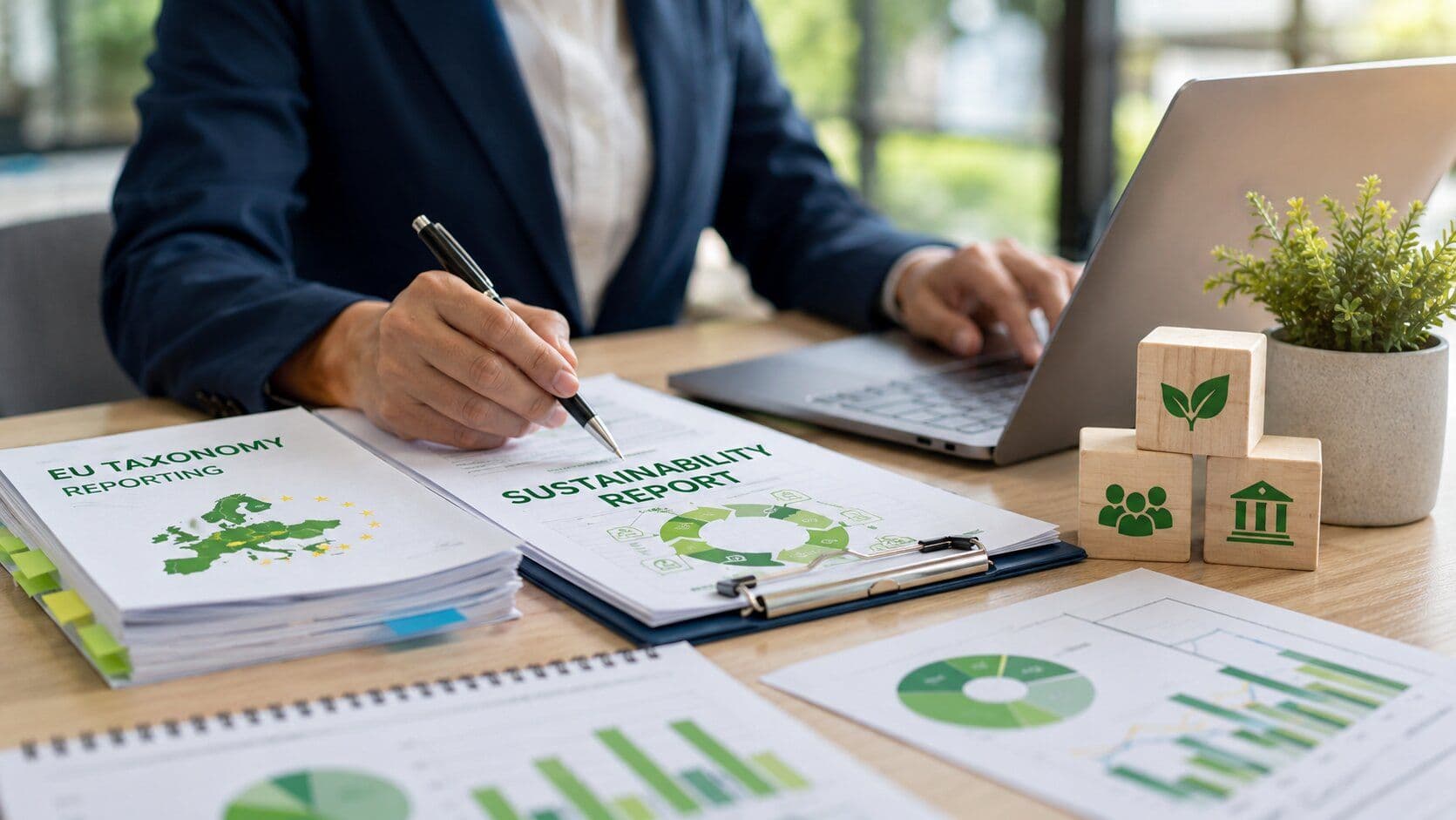
The European Union has taken another step toward strengthening confidence in its sustainable finance market, with the EU Council endorsing a revised version of the Sustainable Finance Disclosure Regulation (SFDR).
The proposed SFDR reform is designed to make sustainability-related financial products easier to understand, compare, and evaluate. Policymakers hope the changes will reduce confusion among investors and curb concerns about greenwashing, which has become a growing issue in the investment sector.
The current SFDR framework requires financial market participants to disclose how environmental, social, and governance factors are considered in investment decisions. However, many investors and asset managers have increasingly treated these disclosures as unofficial sustainable fund labels, despite the regulation not being created for that purpose.
According to the Council, the revised framework will simplify the existing system while improving transparency and reducing administrative complexity for financial firms. The broader goal is to encourage investment that supports Europe's economic competitiveness as well as its environmental and social priorities.
Read More: SFDR: Sustainable Finance Disclosure Regulation (EU) Explained
Makis Keravnos, Finance Minister of Cyprus, said the proposed changes would help firms communicate their sustainability efforts more clearly while allowing investors to better understand and compare sustainability-related financial products.
Categories for Investment Products
A major feature of the proposal is the creation of three new categories for investment products.
The first category, “sustainable,” would apply to products that directly contribute to sustainability objectives. A second category, “transition,” would cover products that support companies or projects moving toward sustainability but have not yet reached that stage. The third category, “ESG basics,” would include products that integrate ESG considerations but do not qualify under the other two classifications.
The new structure is intended to replace existing concepts that many market participants consider unclear or difficult to interpret. Regulators believe the updated categories will make sustainable investments easier to identify and compare.
Stronger ESG Disclosure Requirements
The Council's position also introduces additional requirements aimed at improving the credibility of sustainability claims.
Investment products that report principal adverse sustainability impacts would need to use at least three mandatory indicators selected from a list established by the European Commission. The move is expected to improve consistency in ESG disclosures across the market.
The proposal also addresses transition finance involving companies connected to fossil fuels. Such companies could still be included in the transition category if they meet strict conditions, including dedicating at least 20% of capital expenditure to activities aligned with the EU taxonomy and maintaining a clear emissions-reduction strategy.
Additional reporting requirements would apply to these investments to ensure greater transparency.
Implications for Investors and Asset Managers
The Council's proposal also allows certain public-sector issuances within the EU to qualify for the transition category under specific conditions. In addition, alternative investment funds marketed exclusively to professional investors would face fewer categorization requirements.
Also Read: Greenwashing: Definitions and ESG Context
With negotiations between the Council and the European Parliament expected to continue, market participants are closely watching the outcome. The final framework could play a significant role in shaping the future of sustainable finance, setting clearer standards for sustainable fund labels, reducing greenwashing, and improving confidence in Europe’s rapidly evolving ESG investment landscape.
Follow more news and views via our Reporting & Standards and Featured Articles sections, and stay updated on the top ESG events to attend in 2026 for industry insights and networking.
If you're looking for suitable ESG and Sustainability providers to share customized solutions specific to your business needs, you can check out KnowESG's Solutions page.
If you are an ESG provider looking to get your organization listed on our portal, visit this page.
Source: ESG NEWS