Why LVMH’s ESG Crisis Is a Wake-Up Call for Luxury Investors

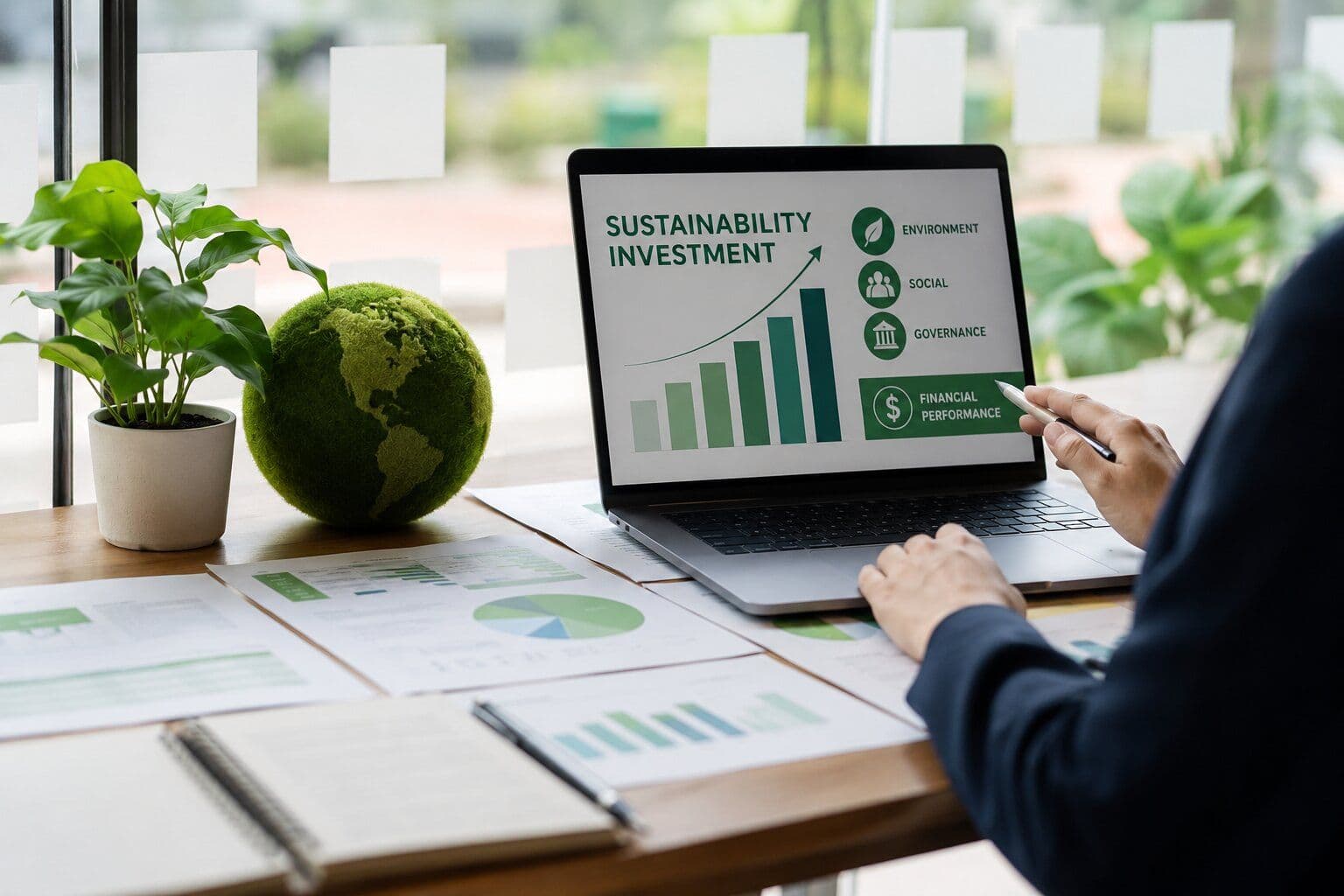
The recent decision by an Italian court to place LVMH’s Loro Piana brand under judicial administration for a year has sent shockwaves through the luxury industry. The ruling, prompted by systemic labor violations in Loro Piana’s supply chain, highlights a critical truth for investors: Environmental, Social, and Governance (ESG) compliance is no longer optional.
A Scandal That Shatters Luxury’s Illusion
Loro Piana, long celebrated for its elite cashmere, was found to have subcontracted production to clandestine workshops in Italy. These operations reportedly employed illegal immigrants, paid workers a meager €4 per hour, with some owing €10,000 in back wages, and subjected them to 90-hour workweeks in unsafe conditions. The Milan court ruled that LVMH’s subsidiary “culpably failed” to monitor its supply chain, placing profits over people.
This isn’t an isolated case. Since 2023, four other LVMH-owned brands, including Dior, Armani, Valentino, and Alviero Martini, have faced judicial oversight in Italy for labor abuses akin to the one in question. Italy’s courts are drawing a clear line: Exploitative subcontracting is no longer tolerable in the luxury sector.
Why’s This Critical to Investors
Luxury thrives on exclusivity and trust. For brands like Loro Piana, exposure to sweatshop conditions shatters their aura of refinement. Today’s younger, socially-aware consumers are increasingly turning to ethically certified alternatives. LVMH’s 22% year-to-date stock decline (as of July 2025) reflects growing investor unease, although we might get to see more with time.
Read More: CEOs Committed to ESG Despite Economic Headwinds
Regulatory and Legal Repercussions
Italy’s crackdown reflects a broader global trend. The EU’s proposed Corporate Sustainability Due Diligence Directive aims to hold companies accountable for supply chain violations, even those subcontracted out. For LVMH, where 65% of luxury production relies on fragmented Italian manufacturers, this poses a direct threat to its $12.6 billion annual net income (2024). Without systemic reform, legal and financial risks could escalate.
ESG Delivers Dividends
Contrast LVMH’s woes with Hermès, which has outperformed peers by owning 80% of its manufacturing and enforcing strict supplier audits. Hermès shares grew 18% in 2024, while LVMH’s dropped. The message to investors is clear: Companies that control their supply chains and prioritize ESG are rewarded with stronger financial performance and consumer loyalty.
Key Takeaways for Investors
- Refrain from Fragmented Supply Chains: LVMH’s reliance on subcontractors in Italy, where 50-55% of luxury production occurs in small, often unregulated firms, is a recipe for reputational and legal crises.
- Ask for Transparency: Investors should favor luxury companies with vertically integrated, auditable operations (like Hermès or Kering’s “Sustainable Luxury” initiatives).
- Prepare for ESG-Driven Regulation: New EU laws could force brands to internalize supply chain costs previously externalized, squeezing margins for unprepared firms.
Also Read: Is ESG Over? Exploring the Future of Sustainable Investing
Final Thoughts
The Loro Piana scandal isn’t just a PR crisis; it’s a financial wake-up call. Luxury investors must stop treating ESG as a checkbox exercise. Brands that ignore supply chain transparency and worker rights risk regulatory fines, consumer boycotts, and shareholder lawsuits.
The future of luxury belongs to those proving that exclusivity isn’t built on exploitation. Until LVMH demonstrates full supply chain control and ethical audits, investors may be wise to pivot toward Hermès, Kering, or Richemont, firms already ahead in the ESG game
Follow more news and views via our Investors and Featured Articles sections, and stay updated on top ESG events to attend in 2025 for industry insights and networking.
Source: AInvest
Get the ESG Brief in your inbox
One concise email a week — the ratings moves, regulation deadlines, and vetted solutions that matter. Trusted by sustainability and finance teams.
No spam · unsubscribe anytime.