JERA Commits $17.5 Million to Australian Carbon Fund to Secure ACCUs

Takeaways
- JERA has invested A$25 million (US$17.5 million) in the Silva Carbon Origination Fund to secure access to Australian Carbon Credit Units (ACCUs) for its decarbonization strategy.
- The fund will combine reforestation with sustainable farming, creating high-integrity carbon credits while supporting biodiversity, soil health, and agricultural productivity.
- The investment also helps JERA prepare for Australia's Safeguard Mechanism, which is increasing demand for credible carbon credits among large industrial emitters.
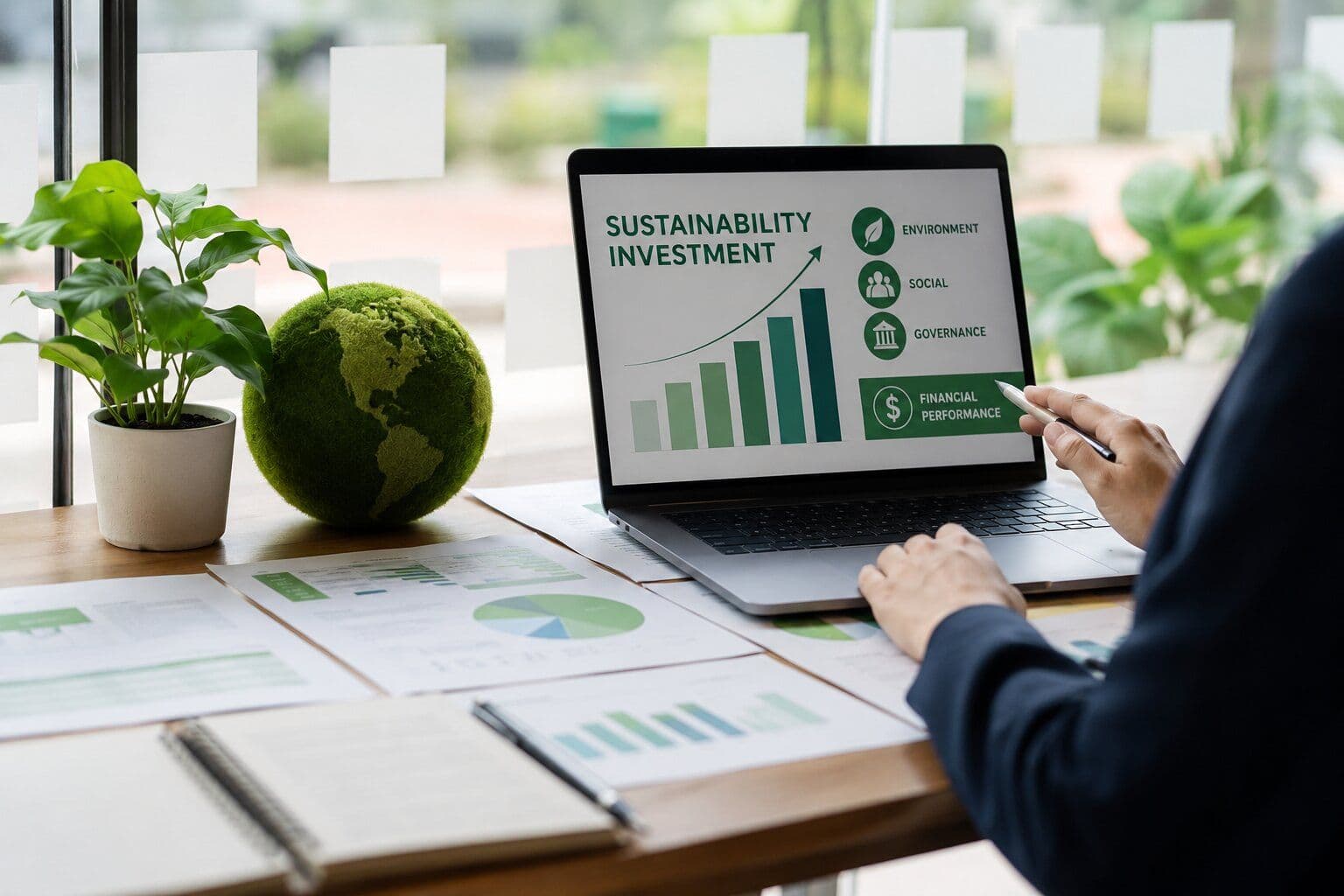
Japanese energy giant JERA has invested A$25 million (US$17.5 million) in one of Australia's largest nature-based carbon investment funds, strengthening its strategy to reduce emissions while securing access to Australian carbon credits for its liquefied natural gas (LNG) operations.
The investment makes JERA a participant in the Silva Carbon Origination Fund, which is targeting a total capital raise of A$250 million. The fund has already secured A$100 million from its founding investors and will be managed by Silva Capital, a joint venture between Roc Partners and C6 Investment Management.
Read More: Australia Launches Carbon Refinery to Transform Captured CO2 Into Industrial Materials
The fund focuses on developing projects that generate Australian Carbon Credit Units (ACCUs) through environmental restoration and sustainable agricultural practices. These credits are expected to support companies working toward emissions reduction targets while complying with Australia's evolving climate regulations.
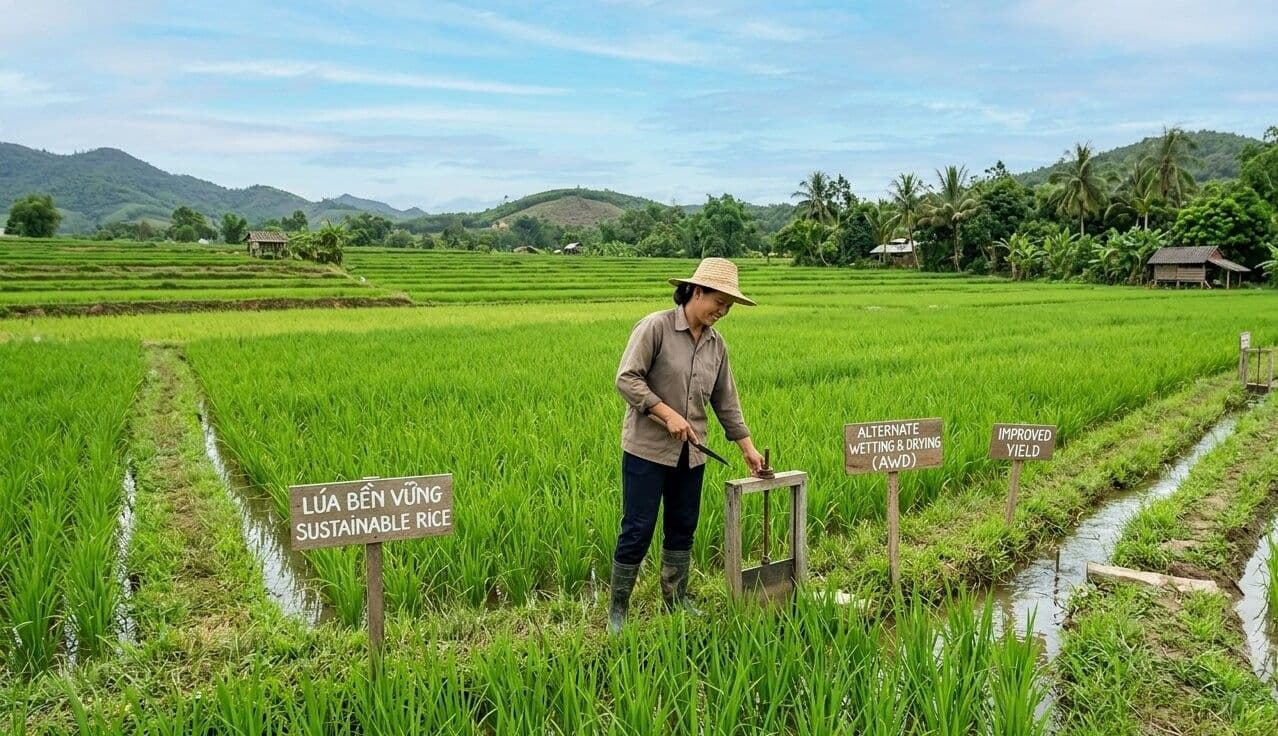
Unlike traditional conservation projects that remove land from farming, Silva Capital plans to integrate carbon sequestration with active agricultural production. The projects will restore native vegetation on previously cleared land, improve soil quality, enhance biodiversity, and allow farming activities to continue.
JERA said this approach aligns with its long-term sustainability goals by delivering environmental benefits without reducing rural productivity. The company believes the carbon credits generated through these projects will complement emissions reduction efforts across its Australian LNG assets as it works toward its commitment of achieving net-zero emissions by 2050.
The investment also comes as Australia's Safeguard Mechanism places greater pressure on large industrial facilities to lower greenhouse gas emissions. Under the framework, businesses must reduce emissions against progressively declining baselines or use eligible ACCUs and other approved mechanisms to meet compliance requirements.
For companies operating in the LNG sector, securing a reliable supply of high-quality carbon credits is becoming increasingly important. JERA expects its investment to help meet future compliance obligations while supporting joint venture operations subject to Australia's emissions rules.
The deal reflects a broader trend across global carbon markets, where companies are investing directly in carbon credit projects instead of relying solely on purchasing credits through secondary markets. Early investment provides greater certainty over future credit availability and can improve confidence in the quality and integrity of the projects behind those credits.
Silva Capital said the fund will prioritize strong engagement with local communities and landholders throughout project development. It also aims to ensure that environmental restoration delivers measurable climate benefits while creating long-term value for rural communities.
The quality of nature-based carbon credits remains a major focus for investors, with growing attention on factors such as additionality, permanence, transparent measurement, and community participation. As demand for trusted carbon credits increases, developers are under greater pressure to demonstrate that projects deliver genuine environmental outcomes alongside social and economic benefits.
Also Read: Carbon Capture Market Forecast: Policy Shifts Fuel Global Growth
JERA's investment highlights the growing connection between Australia's carbon market and the decarbonization plans of major international energy companies. As Australia's climate policies continue to tighten, investments in high-integrity carbon projects are expected to play an increasingly important role in supporting emissions reduction, sustainable agriculture, and ecosystem restoration.
Follow more news and views via our Sustainable Finance & Technology and Featured Articles sections, and stay updated on the top ESG events to attend in 2026 for industry insights and networking.
If you're looking for suitable ESG and Sustainability providers to share customized solutions specific to your business needs, you can check out KnowESG's Solutions page.
If you are an ESG provider looking to get your organization listed on our portal, visit this page.
Source: ESG NEWS
Get the ESG Brief in your inbox
One concise email a week — the ratings moves, regulation deadlines, and vetted solutions that matter. Trusted by sustainability and finance teams.
No spam · unsubscribe anytime.