Australia Launches Carbon Refinery to Transform Captured CO2 Into Industrial Materials

Takeaways
- Australia has launched its first carbon refinery, which converts captured CO2 into products such as concrete, paper, and glass.
- The facility uses mineral carbonation technology to permanently lock carbon into solid materials instead of storing it underground.
- The project highlights the growing role of carbon utilization in helping industries reduce emissions while creating commercial opportunities.
Australia has taken a new step in its climate efforts with the opening of the country’s first carbon refinery in New South Wales. The facility is designed to transform captured CO2 from industrial operations into useful products, including concrete, paper, and glass.
Located on Kooragang Island, the demonstration plant captures carbon dioxide generated during ammonia production at industrial company Orica. Rather than treating emissions solely as waste, the project aims to convert them into valuable materials that can be used across multiple industries.
The refinery was developed by MCI Carbon, an Australian company that has spent more than a decade refining its carbon capture technology. The facility has the capacity to process up to 2,500 metric tons of carbon dioxide annually.
Read More: SLB Capturi Launches First Industrial-Scale Carbon Capture Plant
Turning Carbon Into Useful Materials
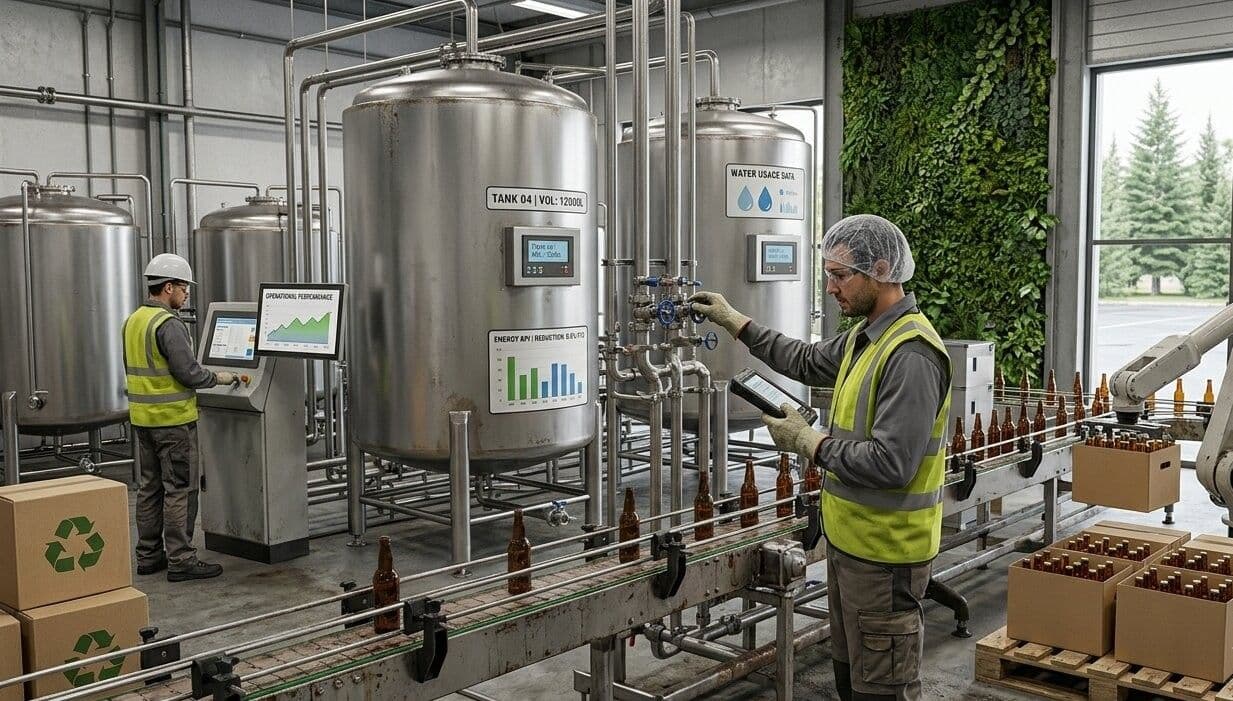
At the heart of the project is a process known as mineral carbonation. The technology imitates a natural geological process in which carbon dioxide reacts with minerals and becomes permanently trapped in solid rock-like materials.
According to MCI Carbon CEO and co-founder Marcus Dawe, the approach mirrors nature’s own method of removing carbon dioxide from the atmosphere and storing it safely over long periods.
This method differs from traditional carbon capture and storage (CCS), where emissions are captured and injected into underground formations. Instead, the refinery focuses on carbon capture and utilisation, turning emissions into products that can be sold and used in existing supply chains.
The approach could provide industries with a practical way to cut emissions while creating new commercial opportunities. If successful, it may help manufacturers supply lower-carbon materials to sectors such as construction and manufacturing.
Supporting Industrial Decarbonization
The refinery’s launch attracted significant attention from government and international representatives, including Australia’s Minister for Climate Change and Energy, Chris Bowen.
Australia currently emits around 400 million tons of carbon dioxide each year and has strengthened its climate ambitions by setting a target to reduce emissions by 62% to 70% below 2005 levels by 2035.
These goals place increasing pressure on industries such as mining, cement, steel, chemicals, and ammonia production to find effective ways to reduce emissions. Technologies that support industrial decarbonization without disrupting operations are becoming increasingly important.
Bowen said the technology could help companies lower emissions while also generating profits, highlighting the economic potential of carbon utilization solutions.
Looking Beyond Australia
While the current facility is relatively small compared to Australia’s overall emissions, it serves as an important testing ground for the technology. The project will help determine whether the process can be expanded on a much larger scale.
MCI Carbon is already planning a larger Australia carbon refinery-inspired project in Austria that could capture up to 50,000 tons of carbon dioxide annually.
The company is part of a growing global movement exploring ways to turn emissions into useful products. Similar initiatives are emerging in other countries, including Canada, where companies are using mining waste to permanently store carbon.
Also Read: UK Firm Turns Captured CO2 into Materials for Roads, Buildings
As governments, businesses, and investors search for practical climate solutions, projects like this demonstrate how carbon capture and utilisation can move beyond emissions management and become part of a broader strategy for sustainable industrial growth.
Follow more news and views via our Sustainable Finance & Technology and Featured Articles sections, and stay updated on the top ESG events to attend in 2026 for industry insights and networking.
If you're looking for suitable ESG and Sustainability providers to share customized solutions specific to your business needs, you can check out KnowESG's Solutions page.
If you are an ESG provider looking to get your organization listed on our portal, visit this page.
Source: ESG NEWS
Get the ESG Brief in your inbox
One concise email a week — the ratings moves, regulation deadlines, and vetted solutions that matter. Trusted by sustainability and finance teams.
No spam · unsubscribe anytime.