Google.org Supports CDP AI Platform to Boost Climate Finance for Cities

Takeaways
- Google.org is supporting CDP to build an AI-powered platform that converts environmental data into climate investment insights.
- CDP data shows cities, states, and regions face a $105 billion climate finance gap for resilience and sustainability projects.
- The new tool aims to help subnational governments identify risks, plan projects, and attract funding for climate action.
CDP, the global non-profit that operates one of the world’s largest environmental disclosure platforms, has partnered with Google.org to develop an artificial intelligence tool aimed at helping local governments turn climate data into real investment and policy decisions.
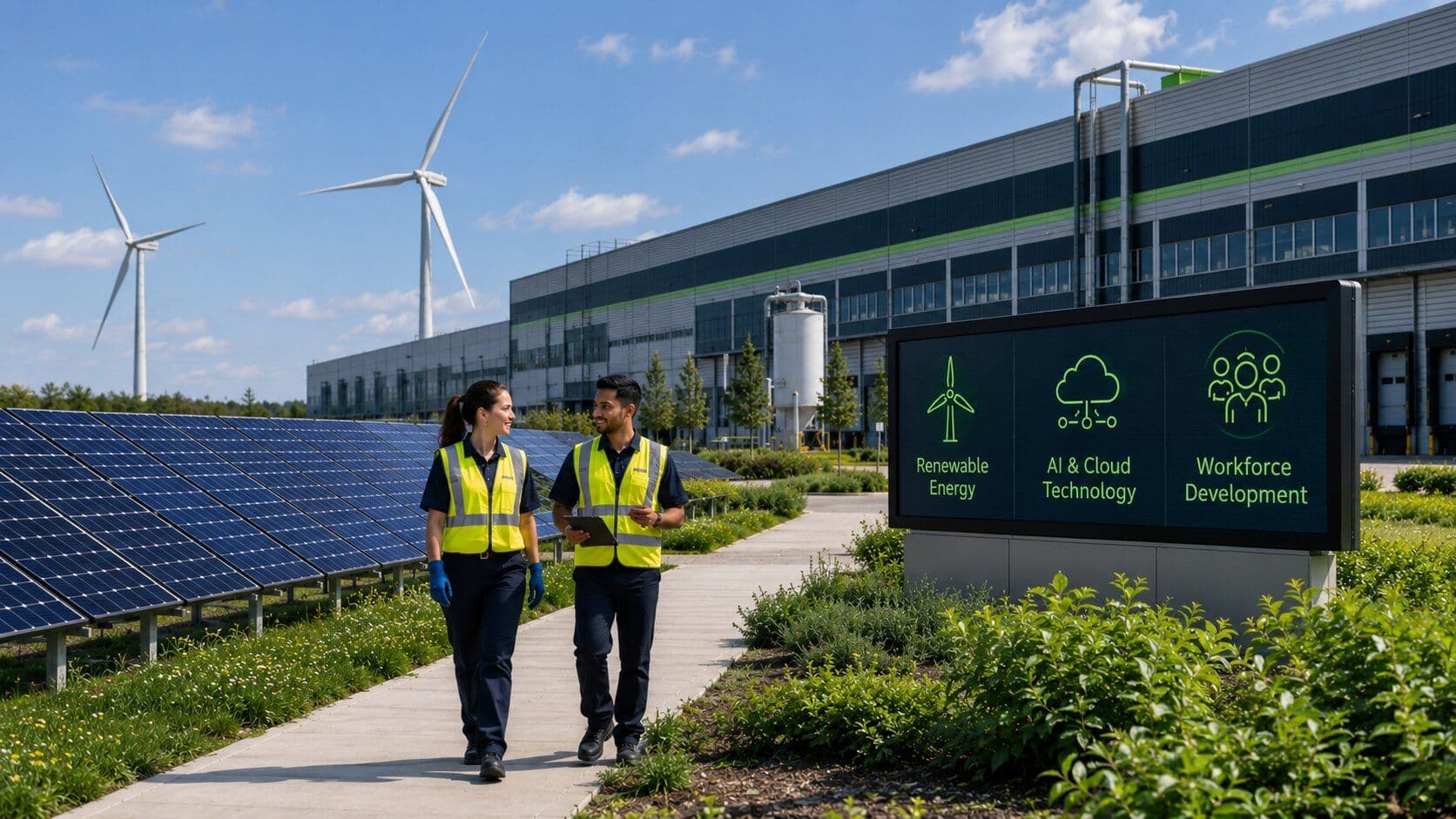
The project will be delivered through the Google.org Fellowship, a program that deploys teams of Google engineers, AI specialists, and designers to work with non-profit organizations tackling global challenges. Over the next six months, the fellowship team will collaborate with CDP to build an open-source platform that combines Google’s AI and cloud technologies with CDP’s extensive environmental dataset.
The goal is to make complex climate data easier to use for policymakers. By transforming raw information into practical insights, the platform will help cities, states, and regional governments assess climate risks, plan resilience strategies, and secure funding for sustainability projects.
Read More: Understanding AI Pollution: Environmental Impact and Sustainable Solutions
$105 Billion Funding Gap in Climate Projects Identified
Recent data from CDP highlights the growing financial challenge facing subnational governments. According to the organization, climate resilience and environmental projects across cities, states, and regions now require $105 billion in financing.
Sherry Madera, CEO of CDP, said the organization’s data shows a sharp surge in funding needs for climate initiatives at the local level.
Subnational governments are often on the front lines of climate change impacts. Many cities and regions are dealing with rising threats from flooding, extreme heat, water shortages, and biodiversity loss. However, many local authorities lack integrated systems that can turn environmental data into clear assessments of risks and investment priorities.
As a result, climate finance flowing to cities and regions remains far below what is required to support adaptation and decarbonization efforts.
Transforming Data into Actionable Climate Insights
The new AI platform aims to bridge that gap by converting CDP’s vast environmental dataset into a decision-support tool for policymakers.
Instead of relying on static reports, the system will generate tailored insights that help governments identify climate vulnerabilities, compare mitigation options, and prioritize projects with the greatest environmental and social impact.
The platform will also help subnational authorities communicate their funding needs more effectively to investors, multilateral institutions, and development banks. By presenting clear data on risks and project opportunities, cities and regions may find it easier to secure climate finance.
Technology Talent Deployed to Support Climate Solutions
The initiative will rely heavily on technical expertise from the Google.org Fellowship program. Through this program, Google employees work on a pro bono basis with non-profit organizations to accelerate solutions to complex global problems.
For the CDP project, a multidisciplinary team will help design the platform’s architecture, develop AI models, and build a user-friendly interface.
The system will integrate Google’s cloud infrastructure and machine learning capabilities to process large volumes of environmental data and produce insights that policymakers can act on.
Maggie Johnson, Global Head at Google.org, said the fellowship model allows the organization to apply its technical expertise to high-impact social and environmental initiatives.
The Significance of Local Climate Intelligence
The collaboration reflects a growing understanding that much of the world’s climate action takes place at the local level.
Cities alone account for more than 70 percent of global greenhouse gas emissions, while also leading many of the infrastructure investments required for decarbonization and climate resilience.
Yet fragmented data systems often make it difficult for decision-makers to connect environmental risks with concrete investment pipelines.
Also Read: Leveraging AI for Enhanced ESG Data Management as a Pathway to Sustainable Finance
By combining one of the world’s largest climate disclosure datasets with advanced AI analytics, the CDP and Google.org initiative aims to close that gap. If successful, the platform could help governments move more quickly from climate reporting to project development, ultimately strengthening the pipeline of bankable climate projects and helping close the global climate finance gap.
Follow more news and views via our Sustainable Finance & Technology and Featured Articles sections, and stay updated on the top ESG events to attend in 2026 for industry insights and networking.
If you're looking for suitable ESG and Sustainability providers to share customized solutions specific to your business needs, you can check out KnowESG's Solutions page.
If you are an ESG provider looking to get your organization listed on our portal, visit this page.
Source: ESG NEWS
Get the ESG Brief in your inbox
One concise email a week — the ratings moves, regulation deadlines, and vetted solutions that matter. Trusted by sustainability and finance teams.
No spam · unsubscribe anytime.