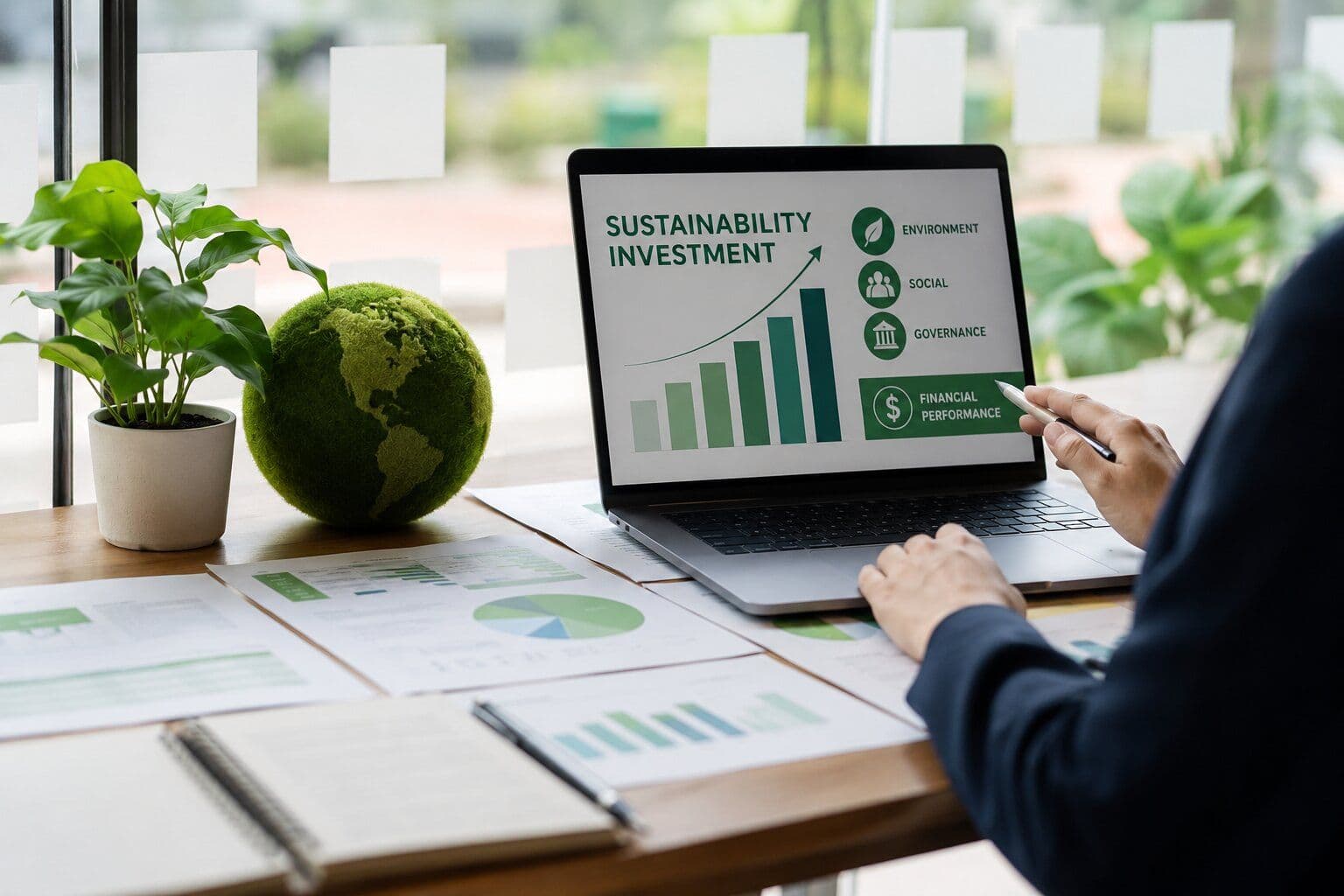
ESG Investing Under Fire: Politics, Performance, and Greenwashing

Once celebrated as one of the financial world’s fastest-growing sectors, environmental, social, and governance (ESG) investing is now at the center of a storm. Once seen as a way for investors to align profits with values, ESG has faced mounting political, regulatory, and market pressures, sparking what many are calling the “great ESG backlash.”
The story of ESG, however, is not one of failure. Rather, it is a story of evolution: A maturing approach to investment that is being recalibrated for a more complex and informed market.
ESG’s rise was meteoric. Investors flocked to socially responsible funds, particularly after the COVID-19 pandemic heightened awareness of climate and social issues. But as interest surged, cracks began to show.
The Backlash Begins
The backlash was a product of multiple instances. In Texas, Comptroller Glenn Hegar’s 2023 report listing financial firms allegedly “boycotting” fossil fuels sent shockwaves through the industry. The report, which implied that $19 billion in investments could be affected, transformed ESG from a moral choice into a business risk in America’s second-largest state.
Market performance added fuel to the fire. Rising interest rates in 2023 battered growth stocks, many of which were ESG darlings, while traditional oil and gas companies soared. Critics were quick to label ESG investing as “virtue signaling” that came at the cost of returns.
Meanwhile, the specter of greenwashing tarnished ESG’s reputation. Regulators found that some funds labeled “sustainable” still held stakes in tobacco companies, weapons manufacturers, and fossil fuel giants. The Securities and Exchange Commission began cracking down, signaling that ESG claims would no longer go unchecked.
Read More: Is ESG Over? Exploring the Future of Sustainable Investing
Underperformance or Misunderstanding?
While ESG underperformance in recent years was largely due to the types of sectors favored and the investment styles they leaned toward, it provided ammunition for skeptics. Questions arose: Was ESG truly adding value, or was it just another investment factor with unpredictable returns?
The Quiet Resilience of ESG
Despite the political and media spotlight, ESG investing has not disappeared. Behind the scenes, assets continue to grow. Investors have shifted the language from ESG to “risk management,” focusing on climate risks, supply chain vulnerabilities, and corporate governance without the ideological baggage.
Private equity investment in clean energy, for example, is projected to jump from $463 billion in 2024 to over $560 billion by 2030, according to Pitchbook News. Electric vehicle adoption continues to rise, while solar and wind energy have become the cheapest sources of electricity in most markets.
While retail investors may have been spooked by political noise, institutional players, including pension funds, sovereign wealth funds, and family offices, quietly continue integrating ESG factors into their decision-making. The approach has evolved: Less talk, more action.
Also Read: Understanding ESG Investing: Meaning, Types, and What Lies Ahead
Looking Ahead
The great ESG backlash may have shaken the industry, but it has also sparked a period of introspection and maturation. ESG is no longer just a marketing label; it is a more disciplined framework for assessing risks and opportunities in an increasingly complex world. In other words, ESG investing is not dead; it has simply grown up.
Follow more news and views via our Investors and Featured Articles sections, and stay updated on top ESG events to attend in 2025 for industry insights and networking.
Source: WealthManagemet.com
Get the ESG Brief in your inbox
One concise email a week — the ratings moves, regulation deadlines, and vetted solutions that matter. Trusted by sustainability and finance teams.
No spam · unsubscribe anytime.