e-Naphtha Plastics: Turning CO₂ Into Sustainable Polymers

Highlights
- Norsk e-Fuel produces e-Naphtha from captured CO₂ for use in plastics and polymers.
- Braskem develops carbon-conscious plastics like I’m green™ polyethylene using renewable and circular feedstocks.
- Tie-up creates new value chains for carbon utilisation, keeping carbon in use rather than releasing it into the atmosphere.
Norsk e-Fuel and Braskem have joined forces to study the use of e-Naphtha in the plastics value chain, to develop plastics from carbon that would otherwise be released into the air.
The circular economy model forms the basis of this association, where carbon stays in use through durable materials. This move could change how the plastics industry employs carbon capture technology and industrial-scale chemical production.
Read More: What Is Carbon Capture & Storage? Technology, Benefits & Risks
e-Naphtha as a Sustainable Feedstock for Plastics
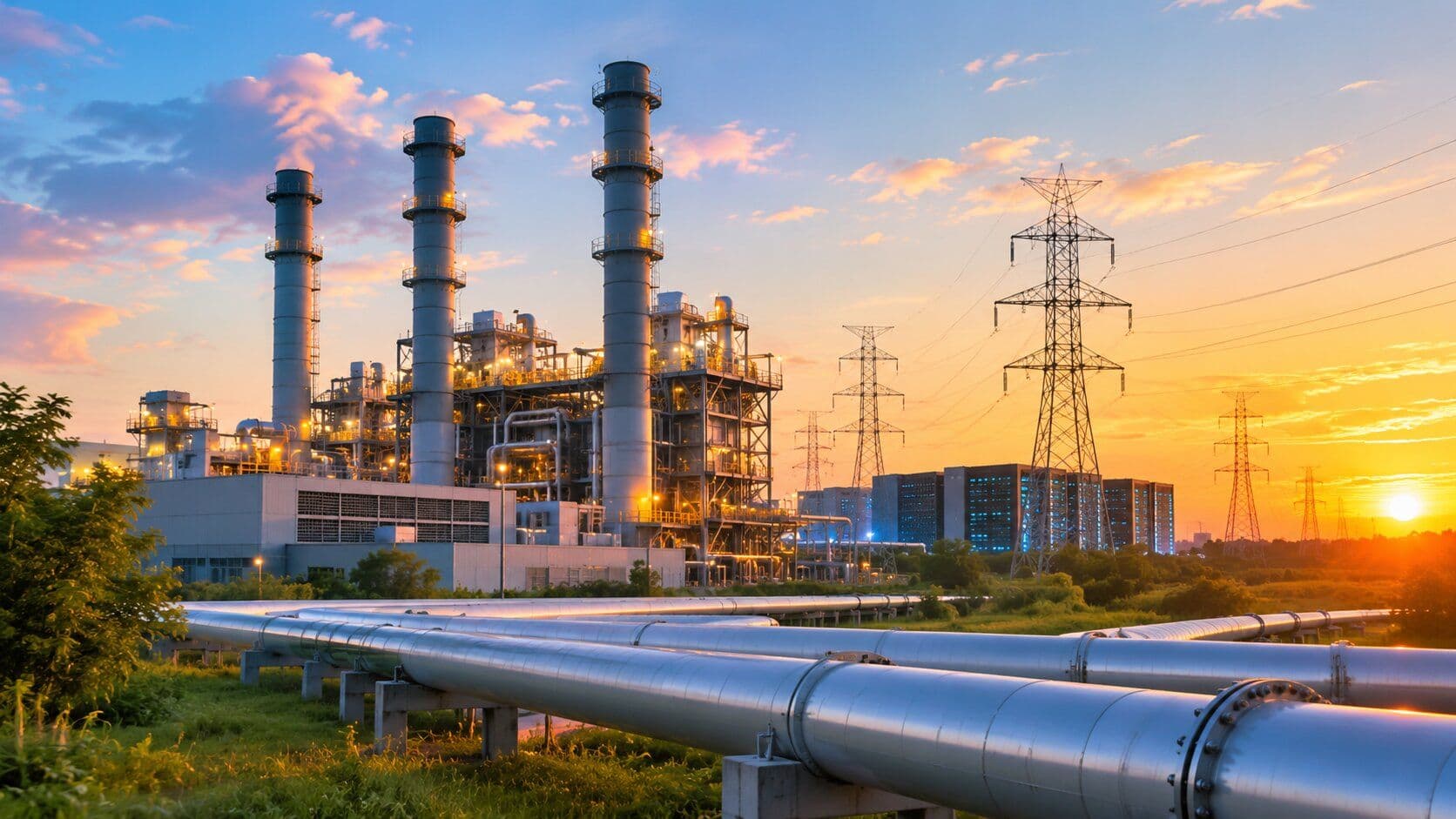
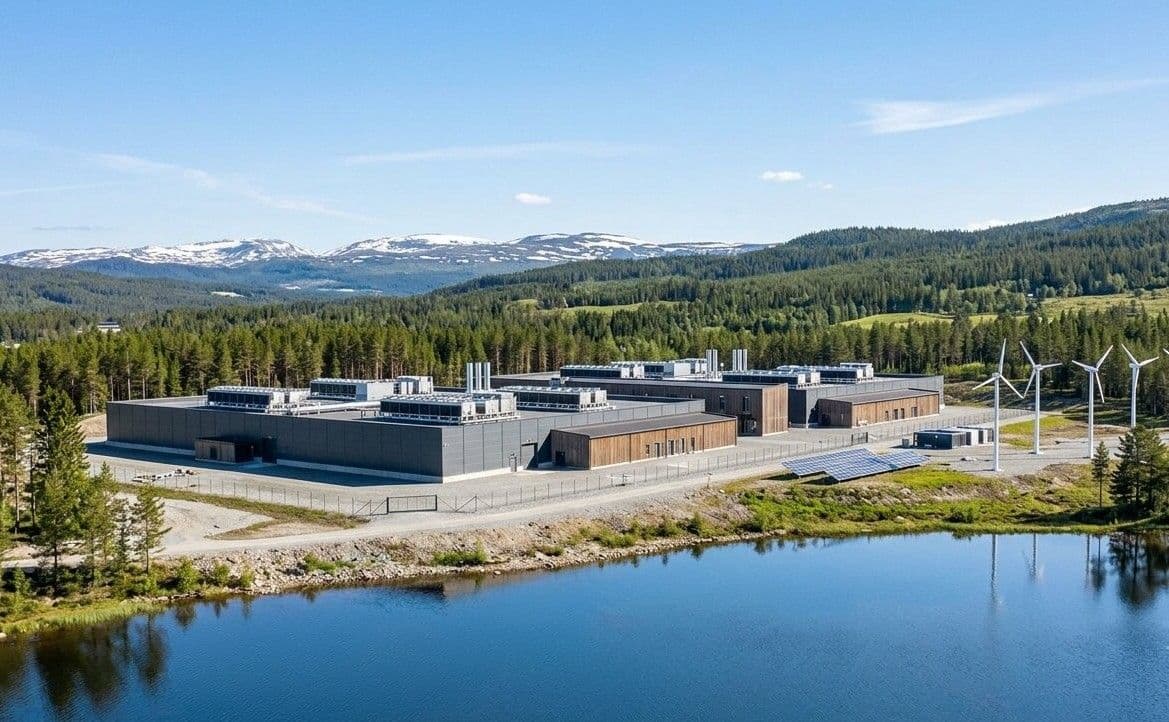
Norsk e-Fuel is expanding the industrial rollout of Power-to-Liquid (PtL) technology. Its plants convert fossil-free electricity, water, and captured CO₂ into synthetic fuels and chemical feedstocks.
The company plans to operate at least three plants by 2032, producing over 200,000 tonnes of e-Fuels annually. Around a quarter of this output may be supplied as e-Naphtha, a versatile input for creating plastics and polymers. This approach will pare down emissions by turning atmospheric carbon into industrial materials.
Also Read: From Bottles to Climate Solution: Plastic Waste Becomes Carbon Capture Material
Braskem’s Circular Plastics Strategy
Braskem already produces I’m green™ bio-based polyethylene from sugarcane ethanol and offers mass balance certified solutions where separate renewable routes are not feasible.
By converting e-Naphtha into polypropylene and other forms of plastics, the company plans to diversify its product range with carbon-conscious materials. This strategy keeps carbon within products and the economy, as well as offers alternatives to traditional petroleum-based plastics with a smaller climate footprint.
New Value Chains for Carbon Utilisation
The collaboration will develop frameworks for carbon utilisation in plastics, assess market opportunities, and engage companies seeking circular solutions.
See Also: Scientists Create Carbon Capture Tech from Shrimp Waste
According to Norsk e-Fuel’s CCO, Lars Bjørn Larsen, e-Naphtha provides a durable feedstock that helps retain carbon in long-lasting, recyclable products.
Braskem’s VP Walmir Soller says that producing plastics from captured carbon keeps it circulating in the economy instead of contributing to climate emissions.
***
Are you looking to connect with sustainability experts to grow your business?
Please take a look at our ESG solutions page, which offers a broad range of sustainability services.
Follow KnowESG’s Sustainable Finance & Technology News for regular updates and insights.
Source: Norsk e-Fuel
Get the ESG Brief in your inbox
One concise email a week — the ratings moves, regulation deadlines, and vetted solutions that matter. Trusted by sustainability and finance teams.
No spam · unsubscribe anytime.