Deutsche Bank Green Bond Launch Signals Stronger Sustainable Finance Drive

Takeaways
- Deutsche Bank has issued its first European green bond under the updated EU Green Bond Standard, focused on sustainable real estate financing.
- The move supports the bank’s net-zero emissions strategy and strengthens transparency in sustainable finance.
- Financial institutions are increasingly adopting the standard, with over $26 billion in green bonds issued in its first year.
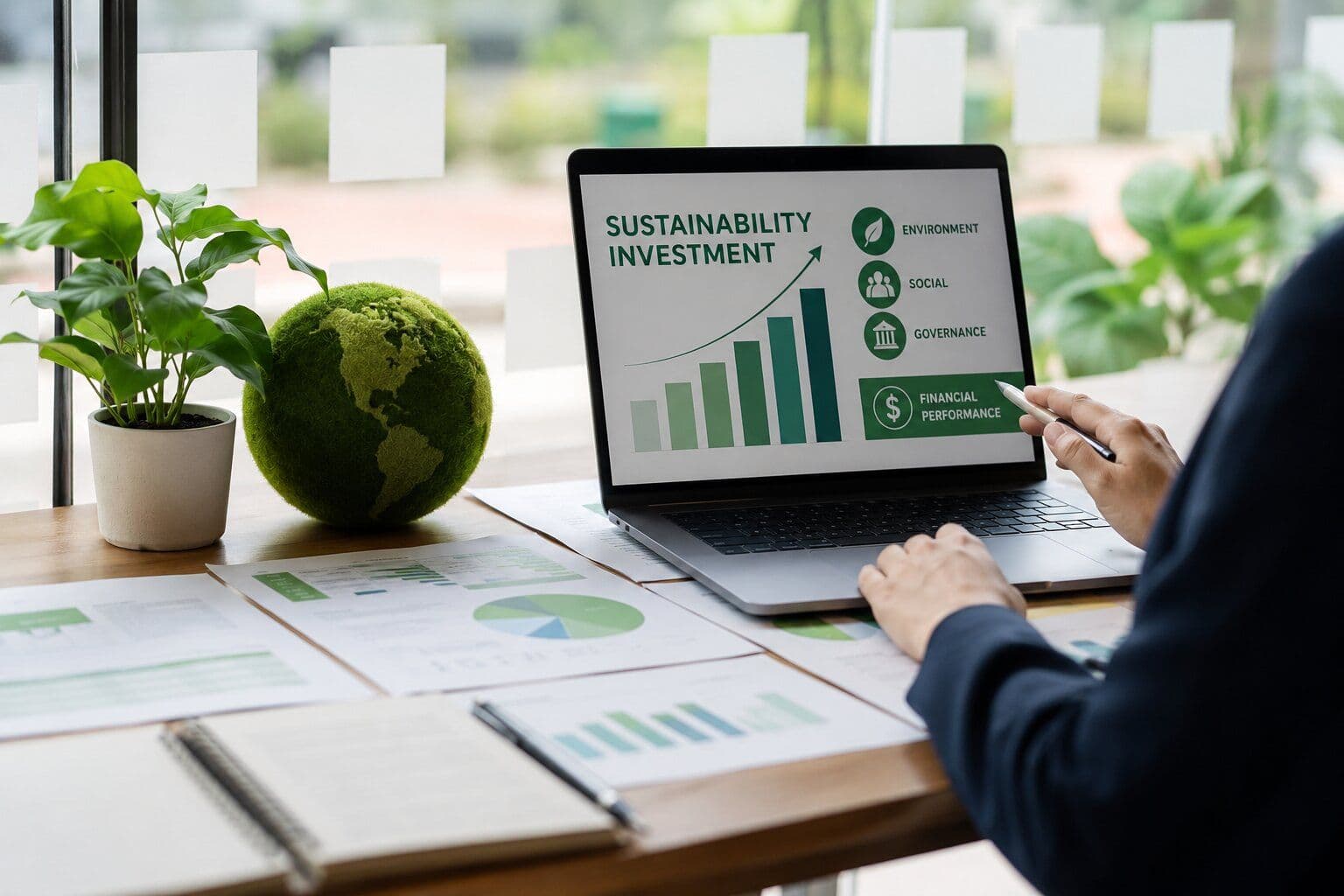
Deutsche Bank has issued its first European green bond aligned with the updated EU Green Bond Standard, marking a new step in the lender’s push to expand sustainable finance and support the transition to a low-carbon economy.
The Frankfurt-based bank said the issuance reflects its broader sustainability strategy, which includes a commitment to reach net-zero emissions by 2050, supported by interim targets for 2030. The bank has also set additional 2050 goals to decarbonize eight of the most carbon-intensive sectors within its corporate loan portfolio.
Proceeds from the green bond will be directed toward the bank’s green building portfolio, as defined in its updated sustainable instruments framework. This portfolio includes residential real estate loans and financing linked to the construction, acquisition, renovation, and operation of new and existing buildings. It also covers projects aimed at improving building energy efficiency.
Read More: Emerging Markets Drive Green Bond Resilience in 2025
By focusing on real estate, Deutsche Bank aims to channel capital into one of Europe’s most energy-intensive sectors, where upgrades and retrofits can significantly reduce emissions.
Group Treasurer Richard Stewart described the issuance as a signal of the bank’s commitment to high standards in sustainable finance.
“By aligning with the European Green Bond Standard, we are providing investors with a transparent, high-quality investment opportunity that directly supports the green transition in the real estate sector and underscores our role in financing the transition to a net-zero economy,” Stewart said in a statement.
The EU Green Bond Standard, updated in 2023, is designed to improve credibility and consistency across the fast-growing green debt market. It sets stricter requirements for transparency, reporting, and the environmental use of proceeds, helping investors better assess the real-world impact of their investments.
The standard has gained momentum quickly. According to the Institute for Energy Economics and Financial Analysis (IEEFA), more than $26.1 billion in green bonds were issued under the framework in its first year.
Issuers have included sovereign governments, financial institutions, and corporations. However, energy and utility companies have been among the most active early adopters, accounting for more than half of documented green bond issuances and the majority of corporate deals so far, the IEEFA noted.
Deutsche Bank’s entry into the market signals growing participation from major European banks. Analysts say such moves could help broaden the range of sectors financed through green bonds and accelerate capital flows toward climate-focused projects.
Also Read: Sustainable Bond Market Sees Sharp First-Half Decline in 2025
With its latest issuance, Deutsche Bank positions itself alongside other leading institutions seeking to align funding strategies with climate targets, while offering investors clearer standards and measurable environmental benefits.
Follow more news and views via our Sustainable Finance & Technology and Featured Articles sections, and stay updated on the top ESG events to attend in 2026 for industry insights and networking.
If you're looking for suitable ESG and Sustainability providers to share customized solutions specific to your business needs, you can check out KnowESG's Solutions page.
If you are an ESG provider looking to get your organization listed on our portal, visit this page.
Source: ESGDIVE
Get the ESG Brief in your inbox
One concise email a week — the ratings moves, regulation deadlines, and vetted solutions that matter. Trusted by sustainability and finance teams.
No spam · unsubscribe anytime.