The Rise of Organic Wine in Europe: The Biologisch Boom

Takeaways
- Organic wine is growing rapidly, outpacing the broader wine market across Europe.
- EU-certified organic wines support biodiversity, soil health, and climate resilience.
- Higher costs, lower yields, and label confusion remain key industry challenges.
Organic wine has crossed a threshold in Europe. What was once a niche pursued by a handful of idealistic growers is now a structurally important segment of both viticulture and the premium wine market. Now that we’re in the mid-2020s, more than one in ten hectares of vines worldwide are farmed organically, and Europe is home to the overwhelming majority of them. Crucially for anyone watching sustainable consumption, the organic wine segment is expanding at roughly twice the pace of the wine market as a whole.
On a wine label, the Dutch and German word for organic is "biologisch," the French say "biologique", the Spanish "ecologico", the Italians "biologico". Different words, one harmonized standard underpinned by EU law. This is the story of why that little green leaf logo has become one of the fastest-growing signals in European wine, and what it actually means for the planet.
Read More: 6 Nature & Biodiversity Solution Providers Advancing Nature-Positive ESG
What "biologisch" (Organic) Wine Actually Means
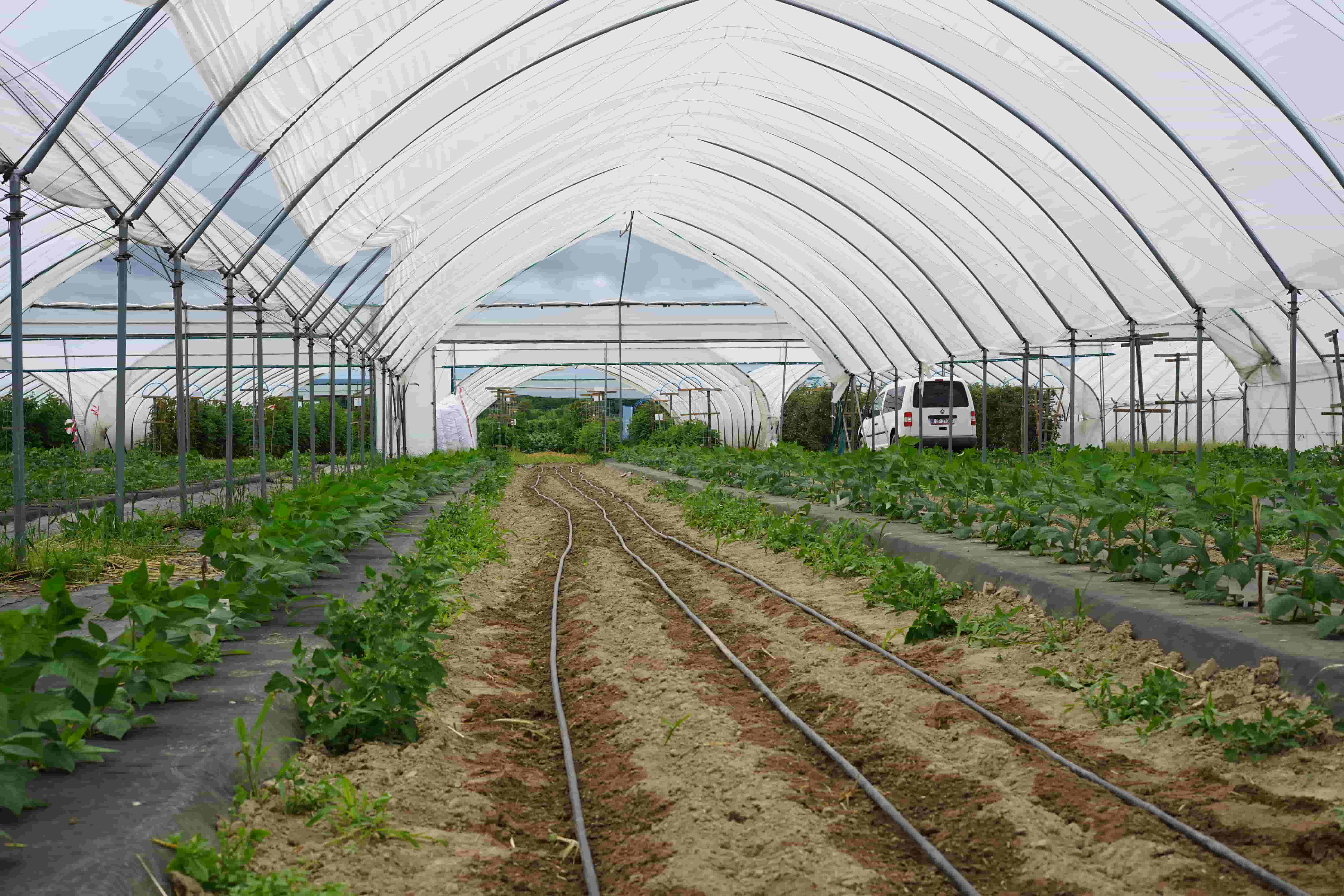
Organic wine is governed across the European Union by Regulation (EU) 2018/848. In the vineyard, it prohibits synthetic pesticides, herbicides, and mineral fertilizers, relying instead on natural inputs, cover crops, and mechanical weeding. Since 2012, EU rules have also covered the cellar, capping additives, and setting lower maximum sulphite levels than conventional wine. Wines that comply can carry the recognisable green EU organic "leaf" logo, backed by accredited control bodies, the single most legally robust sustainability claim in the wine aisle.
Biodynamics is the stricter tier above organic. Rooted in the 1920s ideas of Rudolf Steiner and certified principally by Demeter, it treats the vineyard as a single living organism: Composted preparations such as horn manure ("preparation 500") and horn silica ("preparation 501"), integrated livestock, and vineyard work timed to lunar and cosmic rhythms. Demeter certification requires 100% certified grapes and even tighter limits on cellar additives than organic. Alongside these sit a crowd of broader sustainability labels: HVE in France, SIP, LIVE, and B Corp, which is precisely where consumer confusion begins.
The Numbers: A Small Segment Growing Fast
The global organic wine market was worth about USD 13.07 billion in 2025 and is projected to reach roughly USD 29 billion by 2033, a compound annual growth rate of about 10.6%, nearly double the ~5.7% growth forecast for the overall wine market. Organic wine still represents well under 5% of total wine value, but it is one of the most dynamic parts of the category and a key engine of premiumization.
The land tells the same story. According to FiBL and IFOAM's "World of Organic Agriculture 2024", the global organic vineyard reached around 562,000 hectares by 2022, about 8.3% of all vines. More than 490,000 of those hectares, roughly 87%, are in Europe, where organic vineyards now account for around 12.6% of the EU's total vineyard surface, more than double the global average. Certified organic vineyard area grew at about 13% a year between 2005 and 2019, even as conventional vineyard area slowly shrank.
France, Italy, and Spain: The "Big Three"
Three countries dominate. In 2022 figures, France leads with about 157,358 hectares of organic vines (20.7% of its vineyard), Spain follows with roughly 149,934 hectares (16.1%), and Italy holds around 127,638 hectares (18.1%), together accounting for the vast majority of the world's organic vineyard. In France, the Languedoc-Occitanie region alone hosts about a third of national organic plantings, and the Millesime Bio fair in Montpellier has become the global trade gathering for organic producers.
Italy illustrates an important caveat: Although roughly 22% of its vineyard is certified organic, only about 6% of its wine is actually bottled and sold as organic. Much organic fruit is sold as bulk wine, blended into conventional cuvees, or left uncertified, where the price premium does not justify the cost. Organic viticulture, in other words, does not automatically translate into organic wine on the shelf. Smaller countries punch above their weight too: Austria farmed 25% of its vines organically in 2024, with biodynamic area doubling since 2017.
The Policy Engine: The EU Green Deal
None of this is happening in a vacuum. The European Green Deal and its Farm to Fork Strategy set a headline target of 25% of EU agricultural land under organic management by 2030. EU organic farming overall already reached 17.4 million hectares in 2023, 10.8% of the utilized agricultural area, and viticulture, with its high-value crops and strong consumer brands, is one of the sectors best placed to move further and faster toward that goal.
Why It Matters for Sustainability
The environmental case for organic and biodynamic viticulture rests on three pillars supported by a growing body of field research:
- Biodiversity: Cover crops, hedgerows, agroforestry elements, and in biodynamic systems, integrated livestock create more complex, resilient agroecosystems. Eliminating synthetic pesticides reduces harm to pollinators and soil life.
- Soil health: Organically managed soils consistently show higher organic matter, deeper topsoil, more biological activity, and better water retention, buffering vines against drought and extreme weather.
- Climate resilience: Healthier soils hold more water and carbon, and greater on-vineyard biodiversity helps regulate pests and disease in a warming climate.
There is an honest nuance on carbon: Organic vineyards often yield about 20% less, so emissions per litre can rise where total farm emissions are spread over fewer bottles. In practice, packaging and logistics choices, i.e., lighter bottles, bulk shipping, shorter supply chains, usually move the carbon needle more than the vineyard method itself.
Consumers and the Dutch Case
Total wine consumption is flat or falling across much of Europe, yet within that smaller pie, organic wine is gaining share, driven by younger, urban, higher-income drinkers. IWSR finds millennials have by far the widest "alternative wine" repertoires, reaching readily for organic, biodynamic, natural, and low-sulphite styles, and using certifications as cues for ethical consumption. Organic wine enjoys the highest awareness of any alternative-wine category.
The Netherlands is a textbook example of mainstreaming. In 2001, organic wine accounted for under 1% of Dutch consumption. Two decades on, the Netherlands posted record wine imports of about USD 1.66 billion in 2024, with clearly growing demand for organic, biodynamic, and sustainably produced wines, sourced from France, Spain, and Italy, and from emerging regions such as South Africa, Chile, and Argentina. Dutch organic wine has moved from specialist-shop curiosity to an established sub-category with real growth potential.
The Challenges: Yield, Price, and Greenwashing
Organic viticulture is not a free lunch. Converting from conventional farming typically cuts yields by around 20% and, in a study of Bordeaux's Gironde, raised production costs by roughly 28%, driven by lower output plus the extra labour of mechanical weeding and more frequent contact-fungicide sprays. That feeds directly into the price premium organic wines command, which can deter price-sensitive buyers when the sensory difference is not obvious.
The second challenge is clarity. Awareness of "organic" is high, but understanding is patchy: Many shoppers conflate organic with "natural" or "sulphite-free", and the proliferation of overlapping green labels risks diluting the one claim, organic, that is actually anchored in EU law and enforced by accredited bodies. Clear communication, not more logos, is what protects the segment from greenwashing.
Where to Explore European Organic Wines
For drinkers who want to put the trend into practice, a useful starting point is a specialist retailer that curates exclusively certified bottles. In the Netherlands, Vinio's biologisch (organic) wine collection gathers EU-organic-certified wines from estates working without synthetic pesticides or fertilizers, a practical illustration of how the production trends described above reach the consumer.
Also Read: Climate Risk in the Supply Chain Forces Companies to Rethink Resilience
The Bottom Line
Organic wine sits at the intersection of three forces shaping the next decade of food and drink: Ambitious EU sustainability policy, measurable environmental benefits for soil and biodiversity, and a younger generation of consumers willing to pay for credible green credentials. It remains a small share of total wine, constrained by yields, price, and label confusion. But with European vineyards leading the world and the Green Deal pulling in the same direction, "biologisch" is no longer a niche; it is the leading edge of how Europe drinks more sustainably.
Follow more news and views via our Climate & Environment and Featured Articles sections, and stay updated on the top ESG events to attend in 2026 for industry insights and networking.
If you're looking for suitable ESG and Sustainability providers to share customized solutions specific to your business needs, you can check out KnowESG's Solutions page.
If you are an ESG provider looking to get your organization listed on our portal, visit this page.
Get the ESG Brief in your inbox
One concise email a week — the ratings moves, regulation deadlines, and vetted solutions that matter. Trusted by sustainability and finance teams.
No spam · unsubscribe anytime.