Formula 1 Powers Ahead With Sustainability Goals

Takeaways
- Formula 1 has reduced its carbon emissions by 35% since 2018 while expanding its global race calendar.
- The sport is increasing investments in sustainable aviation fuel, maritime fuel, and low-carbon logistics to achieve net zero emissions by 2030.
- Teams, partners, and suppliers are working together to accelerate innovation in motorsport sustainability.
Formula 1 is best known for speed, technology, and fierce competition. But beyond the excitement on the track, the global motorsport series is also accelerating its efforts to become more sustainable.
The sport has set an ambitious target of achieving net zero emissions by 2030. According to Formula 1, progress is already underway. Emissions have fallen by 35% compared with 2018 levels, including a 12% decline recorded in 2025 compared with the previous year.
What makes this achievement notable is that it has come during a period of growth. Formula 1's race calendar has expanded from 21 events in 2018 to 24 races today, increasing the amount of travel and transportation required across the globe.
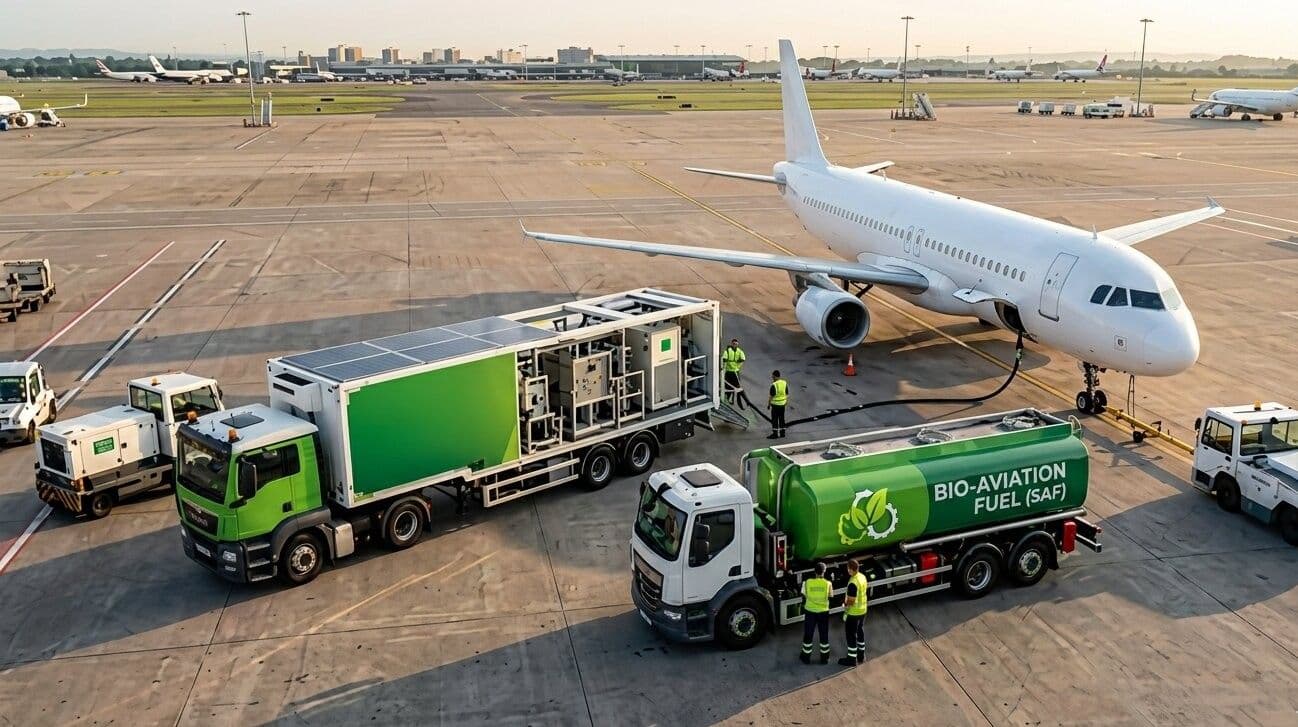
A major contributor to these reductions has been the use of sustainable aviation fuel (SAF) certificates. These certificates allow organizations to support the production and use of SAF and claim associated carbon benefits. Since 2018, Formula 1 says it has eliminated more than 80,000 tonnes of carbon dioxide-equivalent emissions through SAF, electrification, and other low-carbon alternatives.
Read More: Definitions of Sustainability: A to Z Guide on Sustainability
Rethinking Global Logistics
Transporting race cars, equipment, broadcast infrastructure, and team personnel across continents remains one of Formula 1's biggest environmental challenges. To address this, the organization is redesigning its logistics strategy.
The sport plans to move half of its broadcast and related freight through sea transport or regional logistics hubs, reducing dependence on air freight. Formula 1 and logistics partner DHL are also increasing investments in sustainable maritime fuel and expanding the use of biofuel-powered trucks.
Ellen Jones, Head of ESG at Formula 1, said sustainability is now a key consideration in both racing operations and event delivery. She noted that increased investments in cleaner fuels and transport solutions are helping the sport reduce emissions while encouraging wider adoption of emerging technologies.
Further improvements are expected through Formula 1's Future Race Operations Programme and a more regionally organized race calendar beginning in 2026, which is designed to reduce travel distances between events.
Bringing Innovation Beyond the Track
Formula 1 is also using race events as testing grounds for technologies that could benefit other industries.
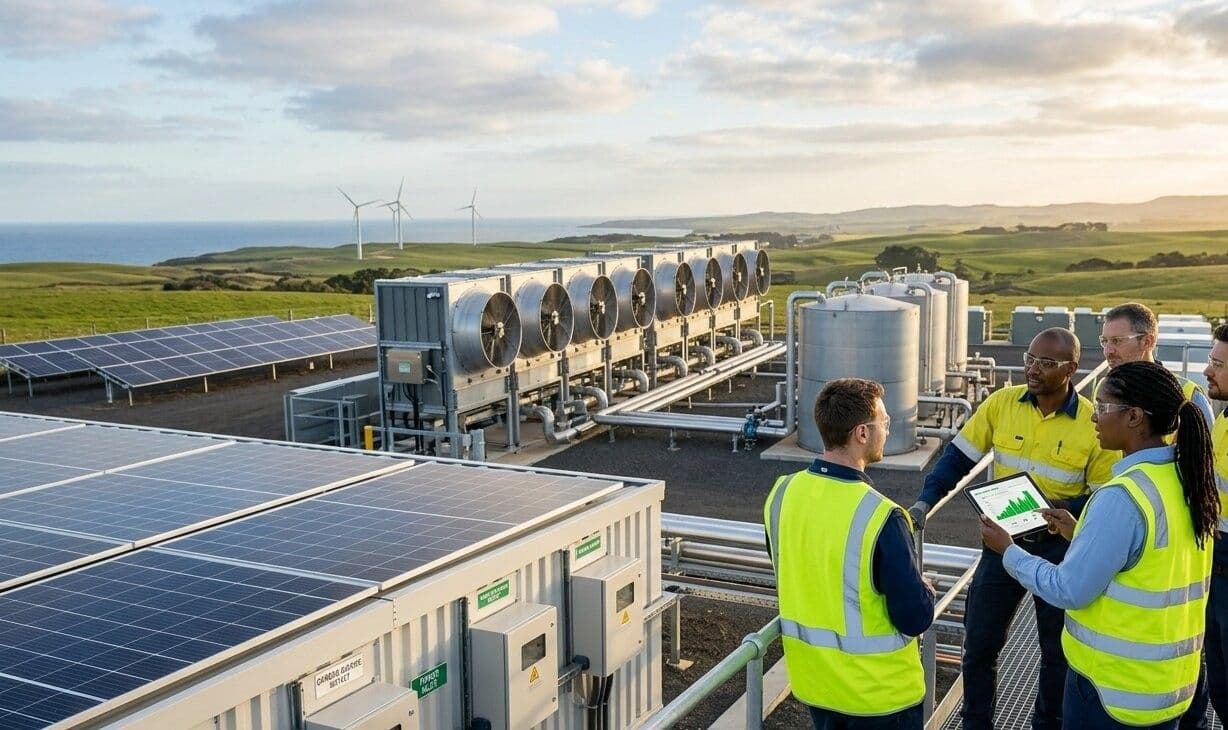
Working with energy solutions provider Aggreko, the sport is deploying higher levels of hydrotreated vegetable oil (HVO), solar power systems, and battery storage solutions at European races. These temporary energy systems help lower emissions without requiring permanent infrastructure investments at circuits that host only a few major events each year.
Formula 1 President and CEO Stefano Domenicali said the sport remains on course to meet its climate goals through practical action and measurable results. He highlighted investments in cleaner fuels, alternative energy technologies, and operational improvements as key drivers of progress.
A Shared Effort Across the Sport
The push for Formula 1 sustainability extends beyond race organizers. Teams are also taking steps to reduce their environmental impact.
The Mercedes-AMG Petronas Formula 1 Team recently introduced an all-electric truck, the eActros 600, to transport equipment across European races. Meanwhile, McLaren Racing has committed to covering all of its aviation travel emissions through SAF certificates and continues its work toward developing a Formula 1 car made from recycled and recyclable materials.
Also Read: Top 10 Sustainable Businesses: Inspiring Practices for 2026
DHL is also expanding its capabilities in new-energy logistics, reflecting growing demand for sustainable transport solutions.
As Formula 1 continues to grow globally, its evolving approach to carbon emissions reduction, sustainable logistics, and alternative energy solutions demonstrates that high-performance sport and environmental responsibility can move forward together.
Follow more news and views via our Climate & Environment and Featured Articles sections, and stay updated on the top ESG events to attend in 2026 for industry insights and networking.
If you're looking for suitable ESG and Sustainability providers to share customized solutions specific to your business needs, you can check out KnowESG's Solutions page.
If you are an ESG provider looking to get your organization listed on our portal, visit this page.
Source: SustainabilityMAGAZINE
Get the ESG Brief in your inbox
One concise email a week — the ratings moves, regulation deadlines, and vetted solutions that matter. Trusted by sustainability and finance teams.
No spam · unsubscribe anytime.