Canadian Company Advances Climate Action with First Direct Air Capture Carbon Credits

Takeaways
- Deep Sky has become the first Canadian and North American company to issue verified direct air capture carbon credits.
- Microsoft and Royal Bank of Canada (RBC) are the first buyers to receive the verified carbon removal credits.
- The milestone highlights growing confidence in direct air capture as demand for high-quality carbon removal solutions continues to rise.
A Canadian company has reached a major climate milestone by delivering North America's first verified direct air capture carbon credits, marking an important step forward for the region's carbon removal industry.
Deep Sky announced that it has supplied its first verified carbon credits to Microsoft and the Royal Bank of Canada (RBC) after successfully removing carbon dioxide from the atmosphere and permanently storing it underground. The achievement places the company among a small group of businesses worldwide that have successfully delivered verified credits generated through direct air capture (DAC).
Unlike conventional carbon capture systems that collect carbon dioxide before it is released from industrial facilities, direct air capture removes carbon that is already present in the atmosphere. Scientists believe this technology could play a significant role in helping countries and businesses achieve long-term climate goals by addressing historical emissions.
Read More: Carbon Capture Market Forecast: Policy Shifts Fuel Global Growth
Deep Sky's Chief Executive Officer, Alex Petre, described the development as an important moment for Canada's clean technology sector. He said the delivery demonstrates the country's ability to innovate in carbon removal while taking on the challenges of developing emerging climate technologies.
Globally, only a handful of companies have reached this stage. Iceland-based Climeworks remains the only other company to have generated verified direct air capture carbon credits, with its facility recognized as the world's largest DAC plant.
Although the technology has attracted significant interest, direct air capture remains costly and technically complex. Scaling projects to remove large amounts of carbon from the atmosphere continues to be one of the industry's biggest challenges. Despite these hurdles, demand for verified carbon credits is growing rapidly, particularly among technology companies seeking to meet climate commitments.
The growing need is partly driven by the expansion of artificial intelligence infrastructure, which has increased electricity consumption and greenhouse gas emissions from data centres. Many large companies are purchasing high-quality carbon removal credits to balance a portion of these emissions as they work toward their sustainability targets.
According to Petre, buyers continue to sign long-term agreements because confidence in the potential of the technology remains strong, even though only a limited number of projects have successfully delivered verified removals.
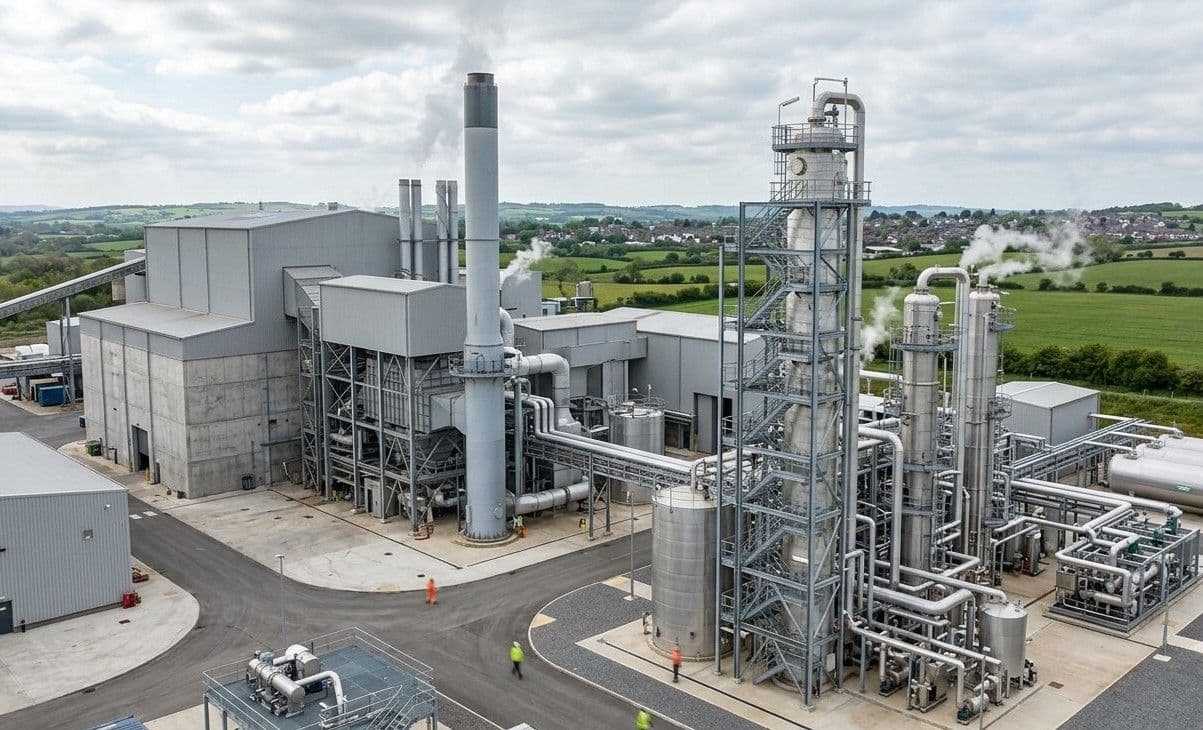
Deep Sky's pilot facility in Alberta began operating last summer and is expected to remove around 3,000 metric tonnes of carbon dioxide each year. The site also serves as a testing hub where multiple direct air capture technology developers can refine and improve their systems before deploying them at larger commercial facilities.
The credits delivered to Microsoft and RBC were verified by London-based climate technology certification company Isometric. They represent the permanent underground storage of 14 tonnes of captured carbon dioxide following the company's first injection earlier this year. Additional injections are ongoing, with both customers expected to receive verified credits every quarter.
Beyond its agreements with Microsoft and RBC, Deep Sky has also signed carbon credit deals with TD Bank, Lufthansa, and Engie, although the companies have not disclosed the financial details.
Also Read: Top 8 Carbon and Climate Solutions Leading Climate Action
Looking ahead, Deep Sky plans to build a large-scale commercial direct air capture project in Canada once its Alberta testing hub is fully operational. The company believes expanding its operations will help strengthen Canada's position in the global carbon removal market while supporting the growing demand for reliable, verified direct air capture carbon credits.
Follow more news and views via our Climate & Environment and Featured Articles sections, and stay updated on the top ESG events to attend in 2026 for industry insights and networking.
If you're looking for suitable ESG and Sustainability providers to share customized solutions specific to your business needs, you can check out KnowESG's Solutions page.
If you are an ESG provider looking to get your organization listed on our portal, visit this page.
Source: Reuters
Get the ESG Brief in your inbox
One concise email a week — the ratings moves, regulation deadlines, and vetted solutions that matter. Trusted by sustainability and finance teams.
No spam · unsubscribe anytime.