NSW Invests Big in Renewable Energy Workforce Training and Careers

Takeaways
- The New South Wales Government and Australian Government will invest $15 million over four years to train workers for clean energy projects.
- The plan supports up to 7,000 construction jobs and 4,500 ongoing roles across regional NSW.
- Training pathways will target students, apprentices, women, and Aboriginal and Torres Strait Islander communities.
The New South Wales government has pledged $15 million to build the skilled workforce needed to power the state’s renewable energy transition, backing new training, apprenticeships, and job pathways across regional communities.
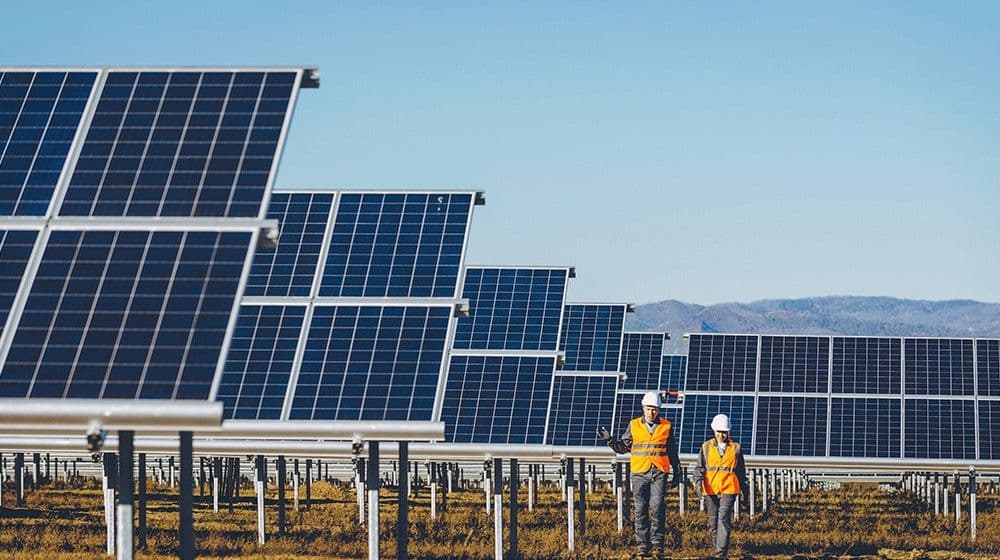
Jointly funded with the Australian government, the four-year investment will underpin the Renewable Energy Skills Strategy (RESS), a key part of the NSW Energy Roadmap. The initiative is expected to support around 7,000 jobs during peak construction and create about 4,500 long-term roles in operations and maintenance.
The strategy aims to create a steady pipeline of skilled workers who can design, build, and maintain renewable energy generation, storage, and transmission projects across the state.
Read More: Green Jobs are Redefining the Workforce
NSW Energy and Climate Change Minister Penny Sharpe said scaling up renewable power means scaling up the workforce alongside it.
“Building renewable energy at scale means building the workforce to match,” Sharpe said, adding that the strategy will connect students, apprentices, and local workers directly with job opportunities.
Programs will range from school-based trade tasters to apprenticeships, traineeships, and long-term employment options. The government will also introduce targeted measures to boost participation among women and Aboriginal and Torres Strait Islander people, broadening access to clean energy careers.
Skills Minister Steve Whan said the funding would help ensure regional communities benefit directly from the energy shift.
“It is about investing in skills that will stay in country communities and provide a long-term local benefit,” Whan said. “We’re turning major energy projects into real, long-term careers, with clear pathways from school and training into secure, skilled work across regional NSW.”
A key part of the plan includes expanding the Regional Industry Education Partnerships (RIEP) program. The scheme links schools with renewable energy employers, providing students with hands-on exposure to local career options and helping them understand the skills required.
New skills coordinator roles will also be created to work closely with employers, training providers, and communities to match local workers with jobs.
Grid infrastructure projects will play a major role in creating those opportunities. Transmission operator Transgrid is supporting delivery of the roadmap, including construction of the NSW component of EnergyConnect, Australia’s largest energy transmission project, and the Hunter Transmission Project.
Also Read: The Booming Green Economy: The Growth of Climate-Related Jobs
The strategy also builds on existing programs such as fee-free apprenticeships and traineeships, as well as training initiatives at TAFE NSW Tighes Hill Campus, home to the Hunter Net Zero Manufacturing Centre of Excellence.
Together, officials say the investment will help NSW meet its clean energy targets while ensuring local communities share in the economic gains of the transition.
Follow more news and views via our Social & Governance and Featured Articles sections, and stay updated on the top ESG events to attend in 2026 for industry insights and networking.
If you're looking for suitable ESG and Sustainability providers to share customized solutions specific to your business needs, you can check out KnowESG's Solutions page.
If you are an ESG provider looking to get your organization listed on our portal, visit this page.
Source: pv magazine