Senate Bill Threatens Jobs and Capacity in Renewable Energy Sector

A sweeping budget bill passed by the U.S. Senate on Tuesday is drawing sharp criticism from renewable energy advocates, who say the legislation could severely hamper the development of wind and solar projects across the country. Despite the removal of some divisive provisions, industry leaders warn that the bill will stall growth in clean energy and result in job losses, higher electricity prices, and reduced energy capacity.
The bill initially proposed a controversial excise tax on wind and solar projects that failed to meet strict standards. However, after last-minute negotiations led by Republican Senators Joni Ernst and Chuck Grassley of Iowa, and Lisa Murkowski of Alaska, that clause was removed. These states are significant players in the renewable energy space, making their support crucial for the bill’s passage.
Another change softened the timeline for claiming tax credits under the Inflation Reduction Act (IRA). The Senate’s final version allows renewable projects to qualify for tax credits if construction begins before 2026, rather than requiring the project to be in service by then. Still, many developers argue this concession falls short.
Despite these adjustments, critics argue that the bill’s broader provisions pose critical obstacles for clean energy development. Renewable energy tax credits will be phased out after 2026 unless construction has already begun, and projects started after that must be completed by the end of 2027. This narrow window has sparked concern that thousands of renewable energy projects could be delayed or canceled.
Read More: OneFortyOne Invests $30m in Renewable Energy Projects
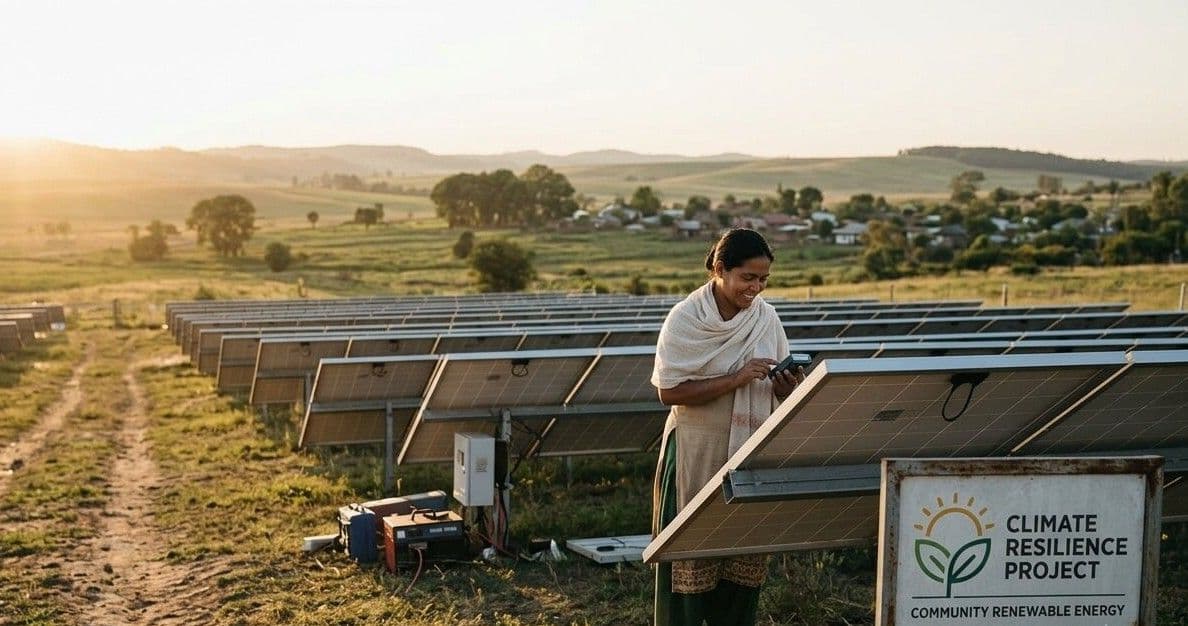
“This bill will strand thousands of energy projects under development, jeopardize billions of dollars in private investment, and kill hundreds of thousands of good-paying American jobs, from electricians to contractors to local landowners and farmers who rely on these projects for stability,” said Jeff Cramer, president of the Coalition for Community Solar Access.
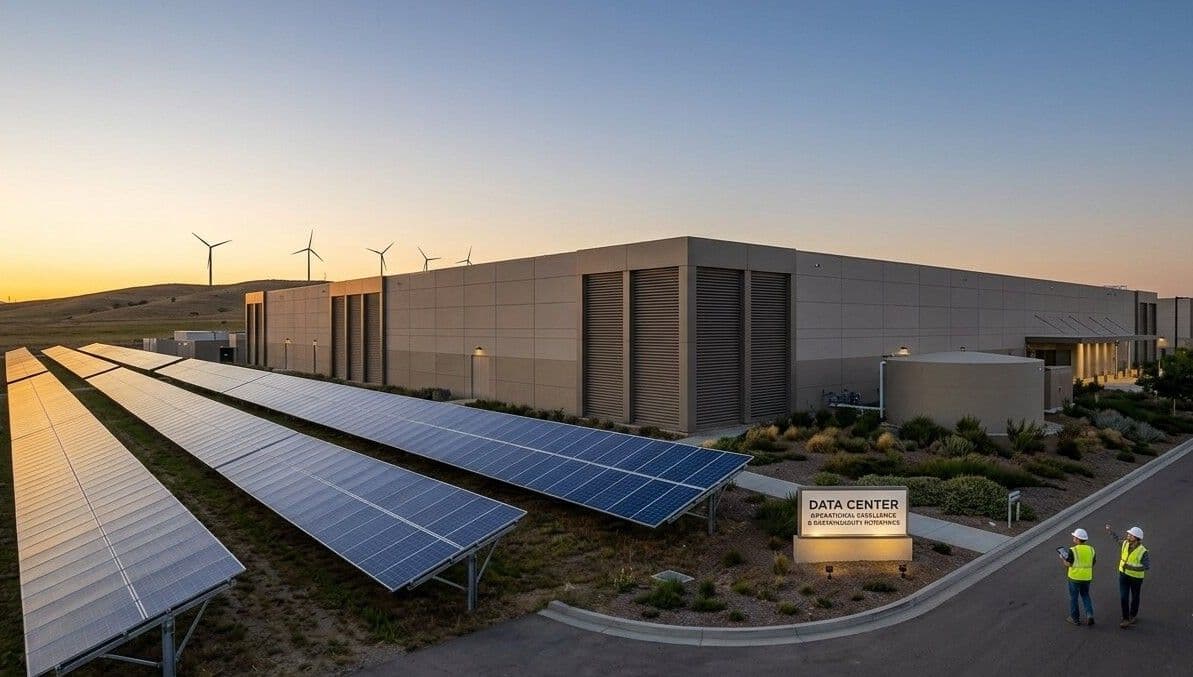
Research firm C2ES estimates that the bill could cost the U.S. 2.3 million jobs. Energy Innovation projected a loss of 300 gigawatts of electricity capacity at a time when demand is surging, driven by the expansion of AI infrastructure and data centers.
Climate advocacy group Evergreen Action called the bill a blow to consumers as well. “Senate Republicans just voted to trigger the largest spike in utility bills in American history,” said Executive Director Lena Moffitt.
Supporters of the bill, including Trump administration officials, dismissed these concerns. Energy Secretary Chris Wright posted on X that the bill “removes the nonsense and distortions from energy markets” and allows the U.S. to focus on energy sources like gas and nuclear that don't rely on subsidies.
The legislation also introduces a new tax credit for coal used in steelmaking, a move that could funnel hundreds of millions of dollars to an industry that has struggled in recent years. While the bill preserves tax credits for hydrogen, nuclear, geothermal, hydropower, and carbon capture technologies, critics say it sidelines key sources of renewable power.
The president of the conservative clean energy group Citizens for Responsible Energy Solutions, Heather Reams, welcomed some parts of the bill but called on House lawmakers to improve the terms for wind and solar. “As this bill moves back to the House, we encourage members to maintain their support for these critical tax provisions, which bolster domestic energy generation to secure true American energy dominance,” she said.
Also Read: Ukraine and Sweden Team Up for Greener Energy Future
As the bill heads to the House for further debate, the future of America’s renewable energy industry remains uncertain, caught in the crossfire of political compromise and shifting energy priorities.
Follow more news and views via our Regulators and Featured Articles sections, and stay updated on top ESG events to attend in 2025 for industry insights and networking.
Source: Reuters
Get the ESG Brief in your inbox
One concise email a week — the ratings moves, regulation deadlines, and vetted solutions that matter. Trusted by sustainability and finance teams.
No spam · unsubscribe anytime.