Xi Jinping Sets 2035 Climate Goal, Slams US Over Paris Retreat

Takeaways
- China pledged to cut greenhouse gas emissions by 7%–10% from peak levels by 2035, expanding wind and solar energy.
- President Xi Jinping indirectly criticized the US for retreating from the Paris Agreement, contrasting China’s approach with Washington’s stance.
- Global reactions were mixed, with observers calling China’s target cautious while warning that US withdrawal could leave Beijing to lead future energy markets.
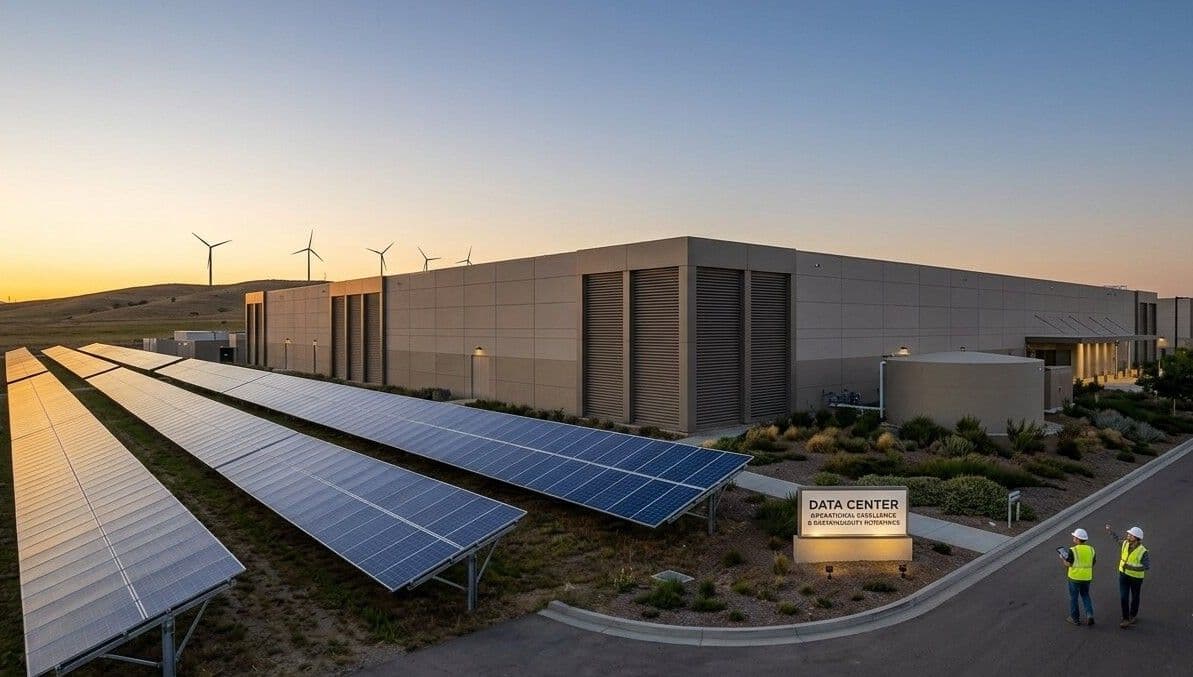
China announced a new climate goal at a UN summit on September 24, pledging to cut greenhouse gas emissions by 7%–10% from peak levels by 2035. President Xi Jinping made the announcement via video link from Beijing, saying the country would expand wind and solar capacity sixfold within the next decade and raise non-fossil fuels to over 30% of domestic energy use.
This marks the first time the world’s largest emitter has promised an absolute reduction in emissions rather than simply slowing its growth. However, environmental groups noted the target was weaker than expected, with many calling for a 30% cut in line with China’s longer-term net-zero by 2060 goal.
Read More: Australia Sets 62% Carbon Reduction Target as Extreme Weather Rises
Xi’s Implicit Criticism of Washington
In his remarks, Xi urged developed countries to take greater responsibility and made a pointed reference to the United States, which has distanced itself from the Paris Agreement.
“Green and low-carbon transformation is the trend of our times. Despite some countries going against the trend, the international community should stay on the right track,” Xi said.
The comments came a day after US President Donald Trump described climate change as a “con job” during his UN speech, criticizing scientists and attacking Europe and China for investing in clean energy. Trump has again moved to withdraw the US from the Paris Agreement, raising concerns about Washington abandoning its role in global climate leadership.
Reactions Worldwide
Commentators said Trump’s stance had created an opening for China to lead in renewable energy and future energy markets. Ian Bremmer of the Belfer Center warned that Washington risked leaving space for China to become the world’s “electro-state” while remaining tied to fossil fuels.
Li Shuo of the Asia Society’s China Climate Hub described Beijing’s pledge as cautious but suggested that its growing dominance in renewables could push it into a larger international leadership role.
Broader Climate Commitments
The summit, hosted by UN Secretary-General António Guterres, also saw pledges from Brazil, the EU, Australia, and small island nations. Brazil promised to cut emissions by 59%–67% by 2035 and step up action against deforestation. The EU confirmed its 2030 target of a 55% reduction and added a 2035 goal of 66%–72%. Australia pledged a 62%–70% cut from 2005 levels by 2035. Small island states, represented by Palau, called for stronger commitments from major economies.
Guterres said the Paris Agreement had made progress but warned that current pledges still put the world on course for a 2.6°C temperature rise, far above the 1.5°C target. “Now, we need new plans for 2035 that go much further, much faster,” he said.
Also Read: COP30 Preview: Nations Present Climate Targets in Brazil
Meanwhile, Kursiv reported that Tashkent will receive 200 new electric buses from Chinese manufacturer Yutong by the end of September, underlining China’s growing role in clean energy technology exports.
Follow more news and views via our Regulators and Featured Articles sections, and stay updated on the top ESG events to attend in 2025 for industry insights and networking.
Source: KYPBNB
Get the ESG Brief in your inbox
One concise email a week — the ratings moves, regulation deadlines, and vetted solutions that matter. Trusted by sustainability and finance teams.
No spam · unsubscribe anytime.