EU Omnibus I Package Simplifies CSRD and CSDDD Rules for Businesses

Highlights
- Omnibus I simplification package reduces administrative burden on EU companies through CSRD and CSDDD revisions.
- Changes protect SMEs, cut reporting expectations, and reshape due diligence procedures in global value chains.
- The European Commission forecasts sizeable efficiency gains and improved operating conditions for EU businesses.
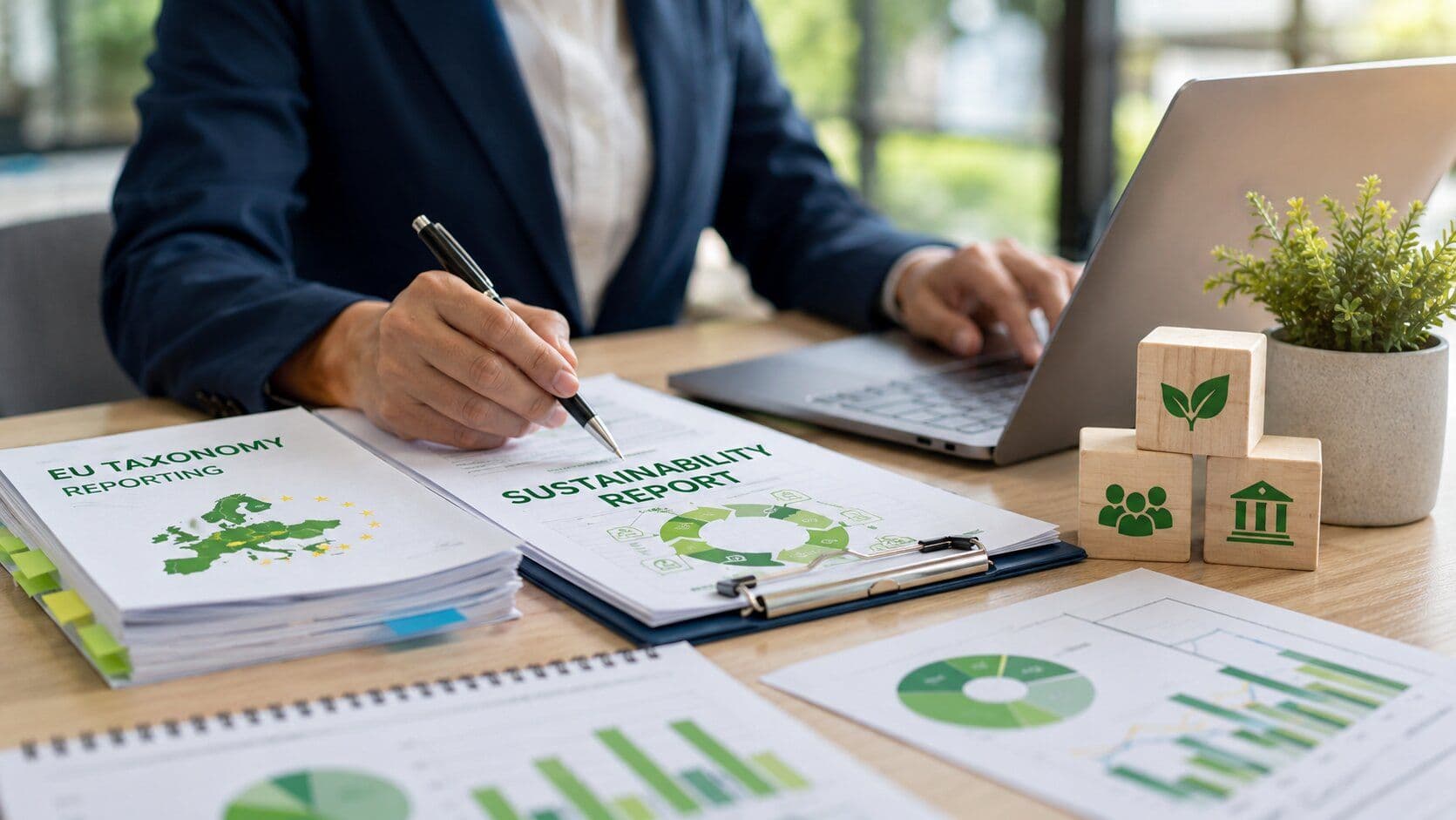
The European Commission welcomed a political agreement on the Omnibus I simplification package, a step aimed at reducing administrative pressure on companies.
The package revises parts of the Corporate Sustainability Reporting Directive (CSRD) and the Corporate Sustainability Due Diligence Directive (CSDDD), with the intention of creating simpler procedures for businesses operating in the EU.
The agreement is framed as part of the Commission’s wider plan to reduce burdens on companies, especially SMEs, and open space for improved operational capacity.
Read More: Rifts in EU Omnibus: Lawmakers Put Chokehold on Green Rules
Simplification of CSRD and Its Impact on Businesses
The package introduces changes to the CSRD that reduce obligations for many companies and adjust the scope so fewer businesses fall under mandatory sustainability reporting.
According to the Commission, these revisions help companies manage fewer reporting hurdles and bring more consistent practices among EU Member States.
The review also includes future changes to the European Sustainability Reporting Standards (ESRS), thereby bringing lighter requirements for firms that still fall under the directive.
Also Read: EU Deforestation Law: Council and Parliament Agree on EUDR Revision
Reduced Pressure on Smaller Companies
The agreement shields smaller firms from heavy information requests issued by larger firms, which has often been a source of pressure. This measure protects their operational capacity and cuts costs with respect to compliance systems.
By removing some reporting expectations and simplifying others, the overall structure becomes more workable for these companies.
Adjustments to the CSDDD and Due Diligence Obligations
Revisions to the CSDDD target unnecessary complexities linked to due diligence. These adjustments ease the compliance load for companies that operate in global value chains connected to the EU.
See More: EU Omnibus: Parliament and Council Take Stance on CSRD and CS3D
The directive’s sustainability objectives remain in place, especially regarding the reduction of environmental and human rights impacts. However, the updated package changes how companies approach due diligence, simplifying steps that previously created confusion or heavy procedural layers.
Efficiency Gains Through Procedural Changes
The plan aims for a 25% reduction in administrative burdens overall and a 35% reduction for SMEs. These efficiency improvements come from lighter documentation expectations, clearer procedural sequences, and reduced repetition in compliance checks.
Business Environment Benefits from the Omnibus I Package
The Commission describes the agreement as a step that creates a more favourable business environment inside the EU.
Companies can operate with fewer complications, which reduces cost pressures and supports operational clarity. Simplification of the CSRD and CSDDD also helps companies better navigate sustainability-related obligations without facing excessive procedural tasks.
See Also: EU Weighs Omnibus Proposal, Insurers Left Out of CSRD: Report
All in all, these changes improve conditions for companies seeking growth, innovation, and job creation in European markets.
###
Are you searching to connect with the best sustainability experts to grow your business?
Please take a look at our ESG solutions page, which offers a broad range of services.
Or, if you are looking to get listed on our ESG solutions page, please click here.
Also, follow KnowESG’s Reporting & Standards News for regular updates and insights.
Get the ESG Brief in your inbox
One concise email a week — the ratings moves, regulation deadlines, and vetted solutions that matter. Trusted by sustainability and finance teams.
No spam · unsubscribe anytime.