Austria Fails to Block Nuclear and Gas in EU’s Green Rulebook

Highlights
- EU court snubs Austria’s case against classifying nuclear and gas as sustainable.
- Judges cite low emissions from nuclear and the transitional role of gas in energy security.
- Austria warns of greenwashing and says that investment should prioritise renewable energy.
Austria’s effort to block the EU’s decision to classify nuclear power and natural gas as sustainable under the EU taxonomy has failed.
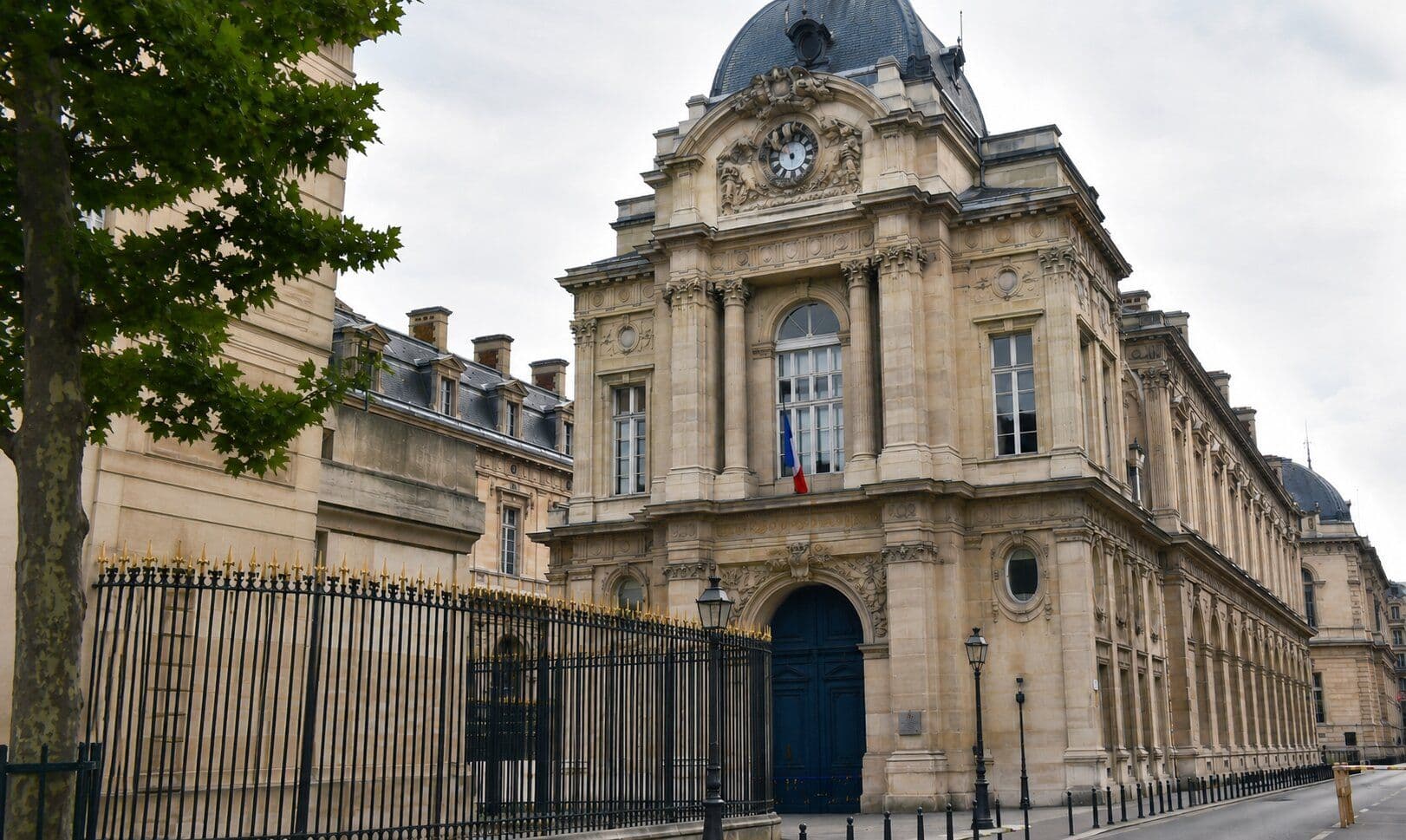
The case, brought to court in October 2022, was dismissed by the General Court in Luxembourg, which ruled that the European Commission did not exceed its authority when including these energy sources in the sustainable investment framework.
The judges stated that recognising nuclear and gas as sustainable under certain conditions was a gradual measure designed to ensure energy security.
Read More: Climate Litigation: ICJ Ruling Lets Countries Sue Over Climate Harm
They pointed out that nuclear power produces very low greenhouse gas emissions and that gas can serve as a transition fuel, especially at a time when renewables like wind and solar are not yet able to fully supply Europe’s continuous energy needs.
The decision has sparked criticism in Austria, which has long opposed nuclear energy.
Leonore Gewessler, Parliamentary leader of the Austrian Greens, called the ruling “a disastrous signal” for Europe, warning that the EU’s green label risks losing its credibility.
She argued that nuclear energy is dangerous, expensive, and produces radioactive waste lasting thousands of years, while fossil gas continues to harm the climate.
She also added that every euro invested in reactors diverts resources from renewables such as solar, wind, water, and geothermal energy.
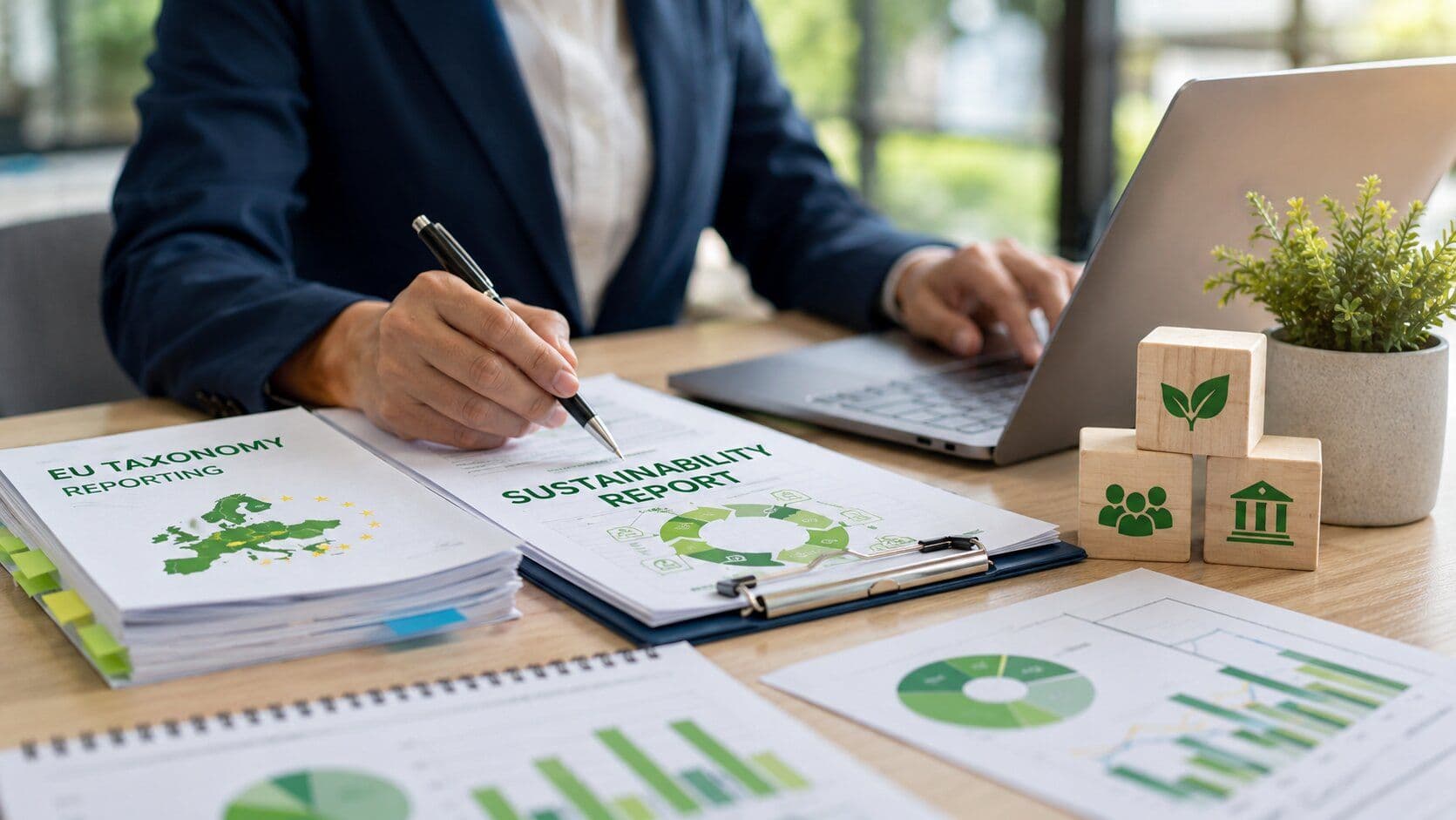
The EU taxonomy, launched in 2020, was created as a green rulebook to guide investors, businesses, and governments towards environmentally sustainable projects and to prevent greenwashing.
Also Read: Sustainability Policy Split Widens Between U.S. and EU in 2025
With climate goals requiring a 55% cut in greenhouse gas emissions by 2030, carbon neutrality by 2050, and new 2040 targets under discussion, the court’s ruling underlines the ongoing debate on how Europe balances immediate energy demands with long-term climate ambitions.
Ends/
Find trusted sustainability advisors for your business through our ESG Marketplace, featuring over 800 providers.
Get regular updates and perspectives on regulatory changes.
Stay informed on upcoming ESG events and updates.
Source: euronews
Get the ESG Brief in your inbox
One concise email a week — the ratings moves, regulation deadlines, and vetted solutions that matter. Trusted by sustainability and finance teams.
No spam · unsubscribe anytime.