Telefónica Energy Consumption Falls as 5G and Fibre Expand

Takeaways
- Telefónica reduced its energy consumption by 12% between 2015 and 2025, even as data traffic across its networks increased twelvefold.
- The telecom operator credits fibre expansion, 5G deployment, and AI-powered automation for major efficiency gains and lower emissions.
- Telefónica says it has already exceeded its 2025 operational emissions target and remains on track for net-zero emissions by 2040.
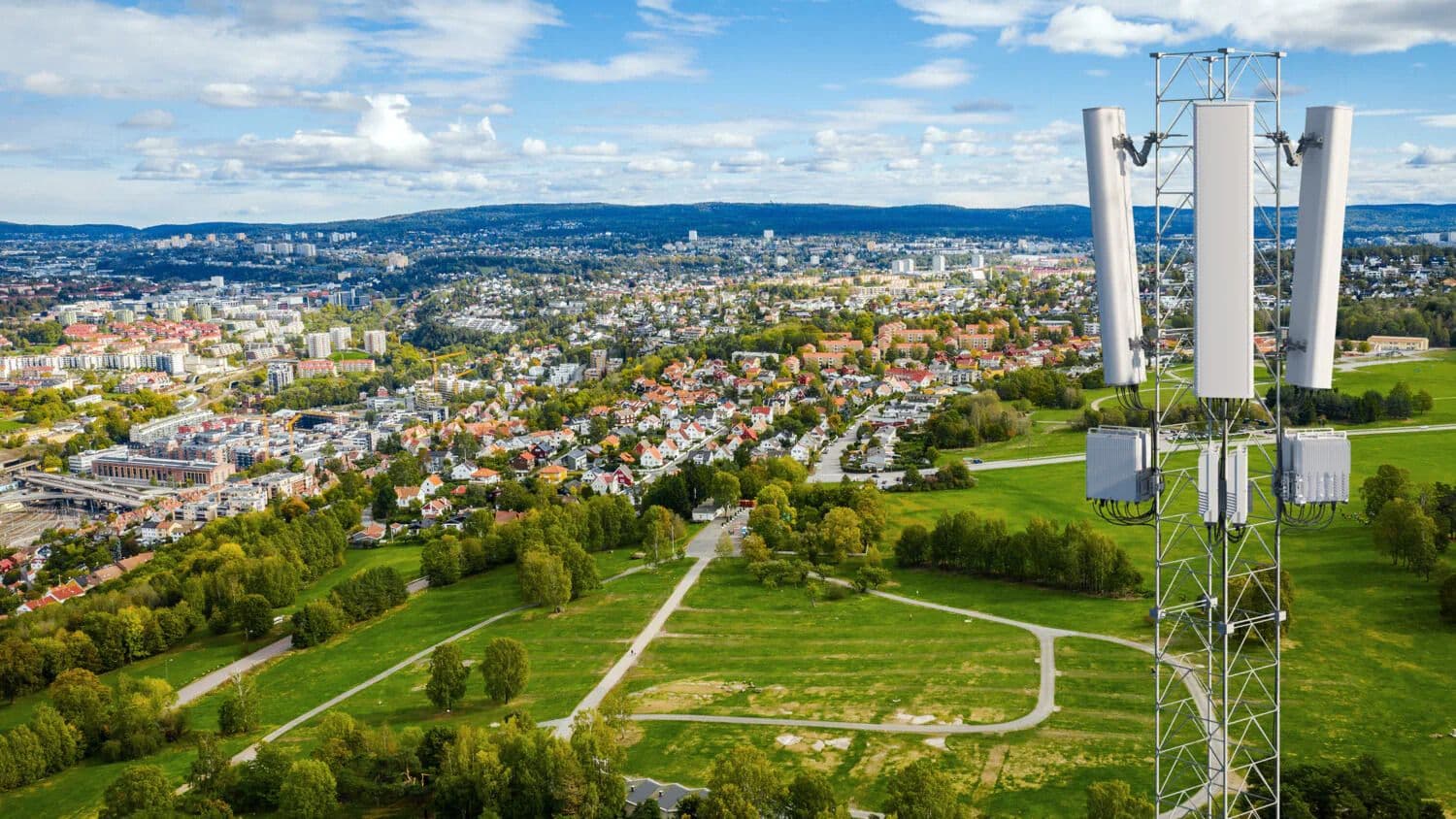
Telecom giant Telefónica says it has reduced its overall energy consumption by 12% over the last decade, despite a massive rise in network traffic driven by streaming, cloud computing, AI services, and connected devices.
According to the company, data traffic across its infrastructure grew twelve times between 2015 and 2025. Even with that sharp increase, Telefónica reported that its networks now operate with significantly lower electricity usage than they did ten years ago.
The company said its energy use per petabyte of traffic has dropped by 92% since 2015, reaching 29 MWh per petabyte. Telefónica attributes the improvement largely to the rollout of fibre networks, 5G technology, and automated network management systems.
Read More: AI in 5G Networks Emerges as Key Tool for ESG Targets
The operator said fibre infrastructure is far more energy efficient than traditional copper-based systems, while 5G networks consume substantially less power compared to previous mobile technologies. These upgrades have helped the company manage growing digital demand without a matching rise in electricity consumption.
Telefónica has also expanded its use of AI-driven automation through its Autonomous Network Journey program. The initiative uses automated tools to improve network performance while reducing unnecessary energy use across infrastructure operations.
Maya Ormazabal, Global Director of Sustainability at Telefónica, said the company’s progress shows that digital expansion and sustainability goals can move together.
“Today we are able to move huge volumes of data using only a fraction of the electricity we needed a decade ago,” she said. Ormazabal added that the company’s efficiency efforts are helping strengthen network resilience while supporting broader digital transformation.
The company noted that energy efficiency has become both an environmental and business priority for telecom operators. Electricity prices remain unpredictable in many regions, while rising temperatures and extreme weather events are increasing operational risks for infrastructure providers.
As telecom companies continue investing in fibre expansion, edge computing, Open RAN systems, and standalone 5G architecture, managing power consumption is becoming increasingly important. Industry-wide demand for connectivity is accelerating due to AI applications, hyperscale cloud services, video streaming, and the growing number of connected devices.
Telefónica said its energy optimization measures are helping reduce exposure to volatile energy costs while maintaining network quality and operational stability.
The company also reported significant progress on emissions reductions. Telefónica said total emissions across its operations and value chain have fallen by 49% over the past decade.
Operational emissions covered under Scopes 1 and 2 have declined by 91% since 2015, allowing the company to surpass its original 2025 target of a 90% reduction. Telefónica also reported a 34% reduction in relevant Scope 3 emissions since 2016.
The telecom operator added that renewable electricity now accounts for 100% of energy consumption across its main markets. It also highlighted supplier partnerships and circular economy initiatives as part of its wider decarbonization strategy.
Also Read: Best Energy Management Solutions for Smarter, Cleaner Energy Use
Telefónica’s climate targets are aligned with the Science Based Targets initiative’s 1.5°C pathway, with the company aiming to achieve net-zero emissions by 2040.
As AI-driven services and digital infrastructure continue to expand, telecom operators are expected to face growing pressure to balance rising traffic demand with sustainable energy management. Telefónica says its next-generation network investments could help address that challenge in the years ahead.
Follow more news and views via our Sustainable Finance & Technology and Featured Articles sections, and stay updated on the top ESG events to attend in 2026 for industry insights and networking.
If you're looking for suitable ESG and Sustainability providers to share customized solutions specific to your business needs, you can check out KnowESG's Solutions page.
If you are an ESG provider looking to get your organization listed on our portal, visit this page.
Source: Sustainability MAGAZINE