SHEIN Boosts SAF Adoption Through DHL Partnership To Cut Air Cargo Emissions

Takeaways
- SHEIN has partnered with DHL to expand the use of sustainable aviation fuel (SAF) in air cargo logistics.
- The initiative supports lower lifecycle emissions and improves transparency in Scope 3 emissions reporting.
- The deal reflects a broader industry trend where corporates co-invest in early-stage low-carbon logistics solutions.
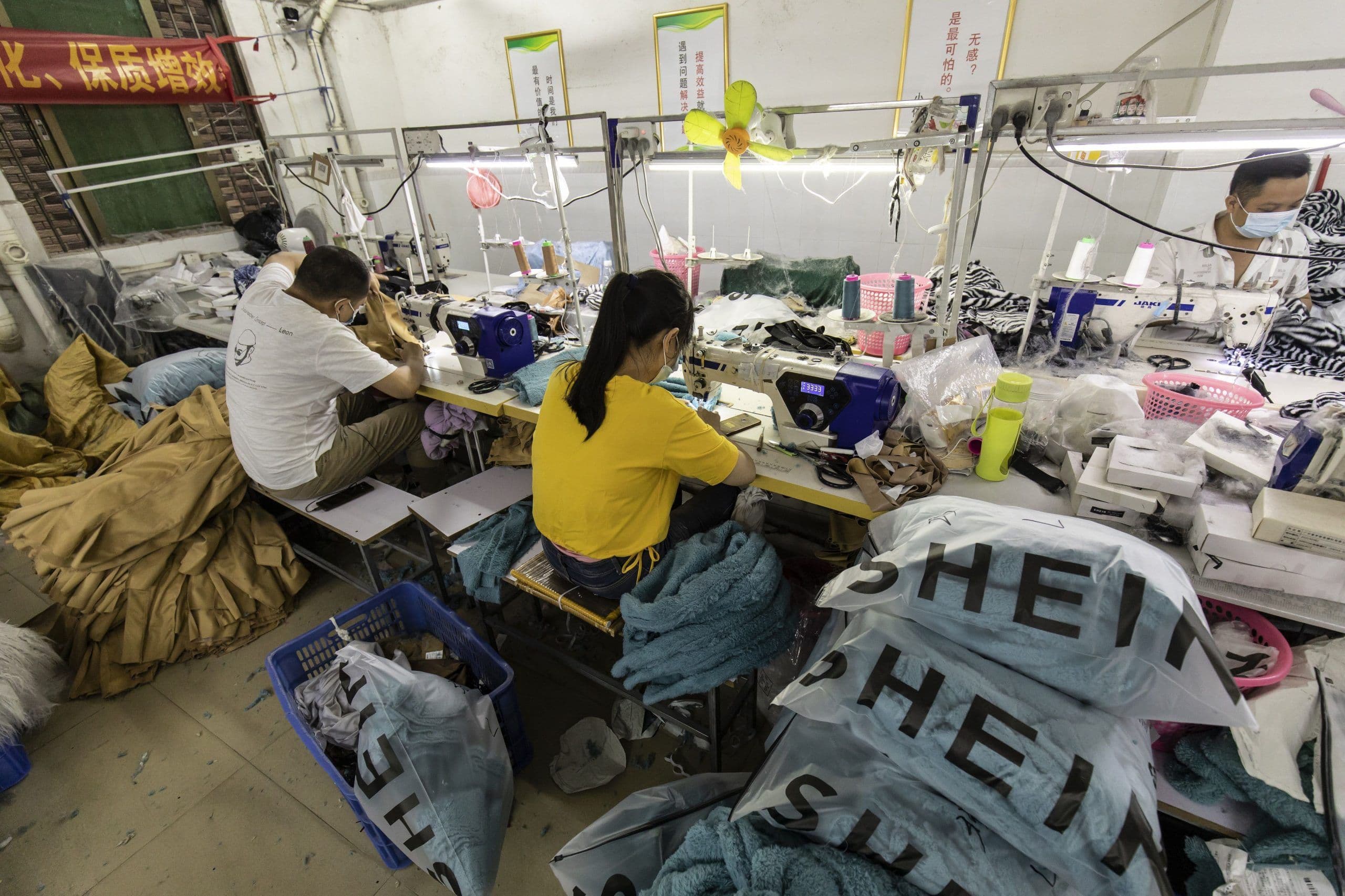
SHEIN is strengthening its strategy to reduce logistics-related emissions through a new agreement with DHL to use the GoGreen Plus service. The partnership supports the adoption of sustainable aviation fuel (SAF) across air cargo operations, marking another step in the fashion retailer’s efforts to lower the carbon footprint of its global supply chain.
SAF is widely seen as one of the most promising solutions for reducing aviation emissions, particularly in sectors that rely heavily on air freight. By participating in DHL’s GoGreen Plus program, SHEIN can support the use of SAF within DHL’s aviation network, with lifecycle emissions reductions verified through recognized certification frameworks. These verified reductions can also be included in corporate emissions disclosures, strengthening transparency around Scope 3 emissions.
Mustan Lalani, Head of Sustainability at SHEIN, said working with logistics partners helps the company better understand how emerging fuel solutions can support decarbonization in air transport. The initiative is part of the company’s broader exploration of technologies that may contribute to reducing carbon emissions associated with international shipping and delivery.
Read More: Study: Only 10 of 77 Airlines Pushing for SAF Adoption
DHL Deal Highlights Shift in Logistics Strategy
The collaboration reflects a growing shift in logistics, where corporate customers are increasingly helping to finance climate solutions rather than relying only on carriers to lead the transition. DHL’s GoGreen Plus model blends SAF into its fuel supply and allocates the emissions reduction benefits to participating customers, creating a shared pathway to decarbonization.
John Pearson, CEO of DHL Express, described the agreement as another milestone in advancing greener air logistics. As a long-term logistics partner to SHEIN, DHL aims to expand the integration of sustainable fuel solutions into global cargo operations.
For corporate leaders, this approach demonstrates that supply chain decarbonization increasingly depends on active participation in emerging low-carbon markets.
Scaling SAF Pilots Across Global Operations
The DHL agreement builds on earlier SAF pilot initiatives across SHEIN’s logistics network. In 2025, the company used 187.3 tonnes of SAF across 14 Atlas Air charter flights, achieving an estimated emissions reduction of 579.1 tCO₂e. Although relatively small in scale, the pilot provided valuable insights into operational integration and emissions accounting practices.
SHEIN has also launched a multi-stakeholder pilot programme in China in collaboration with China National Aviation Fuel and the Civil Aviation Authority’s research division. The initiative includes SAF procurement from Air China Cargo and focuses on traceability and certification of emissions reductions.
These projects are designed to lower emissions and to test the infrastructure required for scaling SAF adoption, including procurement mechanisms, reporting frameworks, and verification standards.
Industry Partnerships Accelerating Demand
SHEIN has also joined the World Economic Forum’s Green Fuel Forward initiative, which aims to accelerate SAF adoption across the Asia-Pacific region. The program supports collaboration between corporates, fuel producers, and aviation companies to strengthen demand signals and encourage investment in SAF production capacity.
Earlier cooperation with Lufthansa Cargo further demonstrates the company’s strategy of building partnerships across the aviation ecosystem. For sustainability leaders, this signals a broader trend in which companies act as early adopters to help scale emerging climate technologies.
Structural Barriers Constrain Scaling Efforts
Despite growing interest, SAF remains a small share of total aviation fuel supply. Production levels are limited, and costs remain higher than conventional jet fuel, slowing widespread adoption. SHEIN acknowledges that the emissions reductions achieved so far represent only a small portion of its total logistics footprint.
Also Read: Korean Air and Yusen Take on SAF Cargo
However, the company views these initiatives as essential learning opportunities that support long-term planning. By testing SAF integration early, businesses can better understand economic feasibility, certification requirements, and operational challenges associated with decarbonizing air cargo.
As regulatory expectations around Scope 3 emissions continue to evolve, companies may increasingly need to engage directly with solutions like SAF before they become fully commercially mature. SHEIN’s expanding SAF strategy reflects a pragmatic approach to navigating the transition toward low-carbon logistics.
Follow more news and views via our Sustainable Finance & Technology and Featured Articles sections, and stay updated on the top ESG events to attend in 2026 for industry insights and networking.
If you're looking for suitable ESG and Sustainability providers to share customized solutions specific to your business needs, you can check out KnowESG's Solutions page.
If you are an ESG provider looking to get your organization listed on our portal, visit this page.
Source: ESG NEWS
Get the ESG Brief in your inbox
One concise email a week — the ratings moves, regulation deadlines, and vetted solutions that matter. Trusted by sustainability and finance teams.
No spam · unsubscribe anytime.