Microsoft, Alaska Airlines Back Twelve’s First U.S. E-Jet Fuel Plant

Takeaways
- Twelve has launched AirPlant One, the first commercial-scale U.S. facility producing E-Jet fuel from captured carbon dioxide, water, and renewable electricity.
- Alaska Airlines will use the sustainable aviation fuel (SAF) produced at the plant for regular domestic flights, while Microsoft is supporting the project through investment and fuel purchase agreements.
- The facility highlights the growing role of power-to-liquid fuel technology in reducing aviation emissions and strengthening domestic clean energy supply chains.
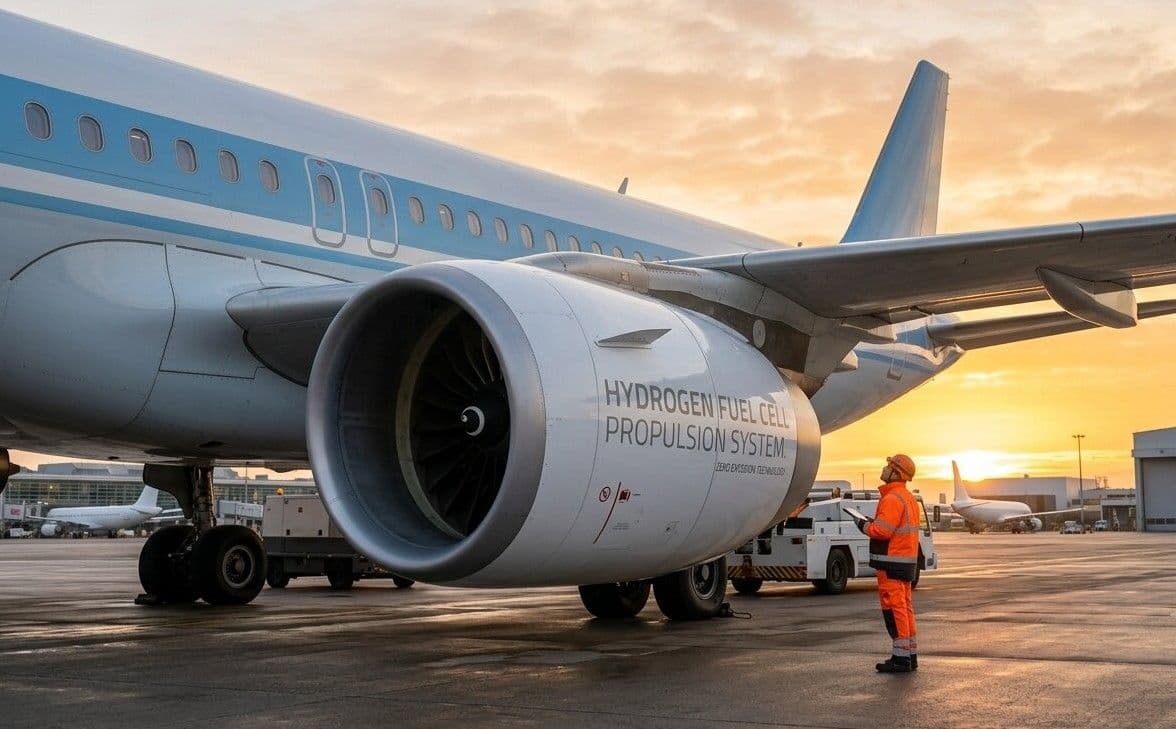
Twelve has officially opened AirPlant One, the first commercial-scale facility in the United States dedicated to producing E-Jet fuel, marking a major step forward for sustainable aviation fuel (SAF) production.
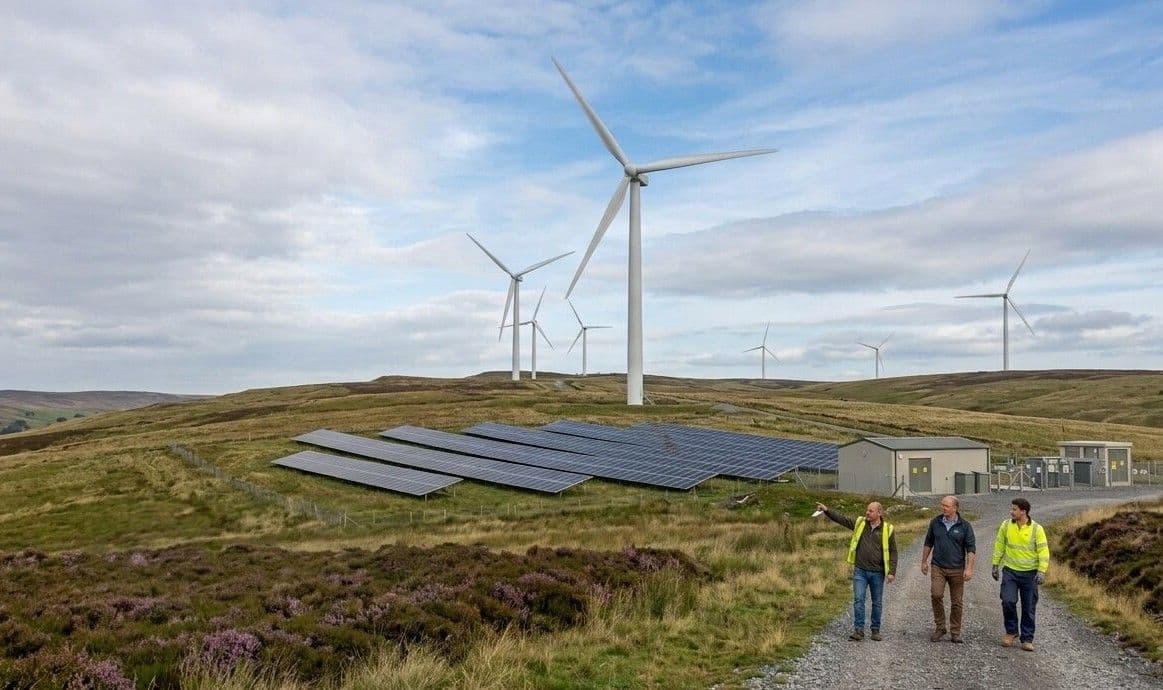
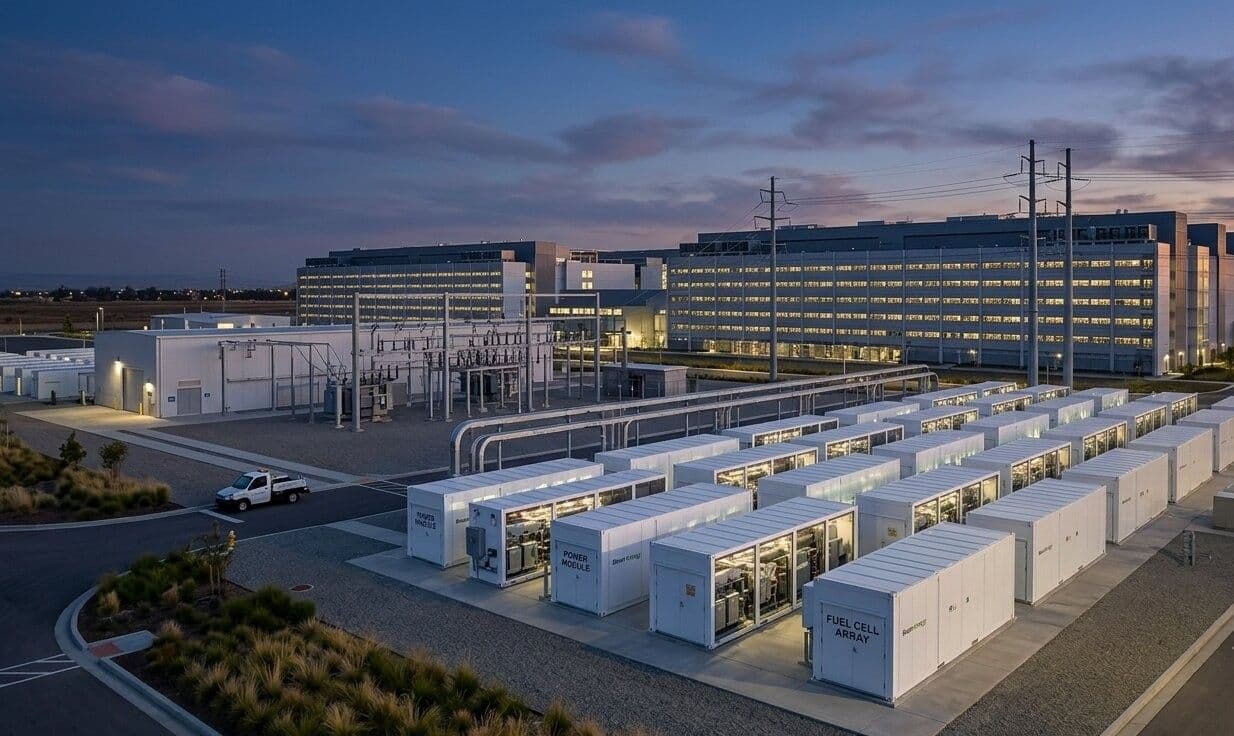
Located in Washington State, the plant converts captured carbon dioxide, renewable electricity, and water into synthetic jet fuel that can be used in existing aircraft without modifications. The launch represents a significant milestone for aviation decarbonization, an area that remains one of the most difficult sectors to address in the global climate transition.
The opening ceremony brought together Twelve, Alaska Airlines, and Microsoft, all of which have played important roles in bringing the project from concept to commercial operation. The facility is already producing jet fuel that meets industry certification requirements, allowing it to be used in commercial aviation.
According to Twelve Co-Founder and CEO Nicholas Flanders, the company set out to prove that fuels could be produced using renewable electricity and carbon captured from the atmosphere rather than relying on fossil resources. With AirPlant One now operational, that vision has become a reality.
Read More: Global Carriers Unite in Fund to Expand Sustainable Jet Fuel Supply
A New Approach to Sustainable Aviation Fuel
Unlike many forms of sustainable aviation fuel that rely on agricultural crops or waste materials, Twelve’s E-Jet fuel is created through a power-to-liquid process. The company combines captured CO2, water, and renewable electricity to produce hydrocarbon molecules that closely resemble conventional jet fuel.
Twelve says the fuel can reduce lifecycle carbon emissions by up to 90% compared with traditional aviation fuel. Because it is a drop-in replacement, airlines can use it in current aircraft and airport infrastructure, avoiding costly equipment changes.
The company also believes the technology could offer more predictable fuel pricing since production costs can be linked to long-term renewable energy contracts rather than fluctuating crude oil markets.
Microsoft and Alaska Airlines Drive Early Demand
AirPlant One benefited from strong early support from both Microsoft and Alaska Airlines. In 2022, the companies committed to purchasing fuel from the facility, helping secure financing and accelerate construction.
Alaska Airlines also participated in Twelve’s funding efforts through Alaska Star Ventures. The airline views sustainable aviation fuel as one of the most practical tools available to help the industry move toward net-zero emissions while supporting local job creation and energy security.
Microsoft backed the project through its Climate Innovation Fund and signed a SAF offtake agreement. The technology company plans to use the fuel as part of its strategy to reduce emissions associated with business travel.
Beyond Aviation
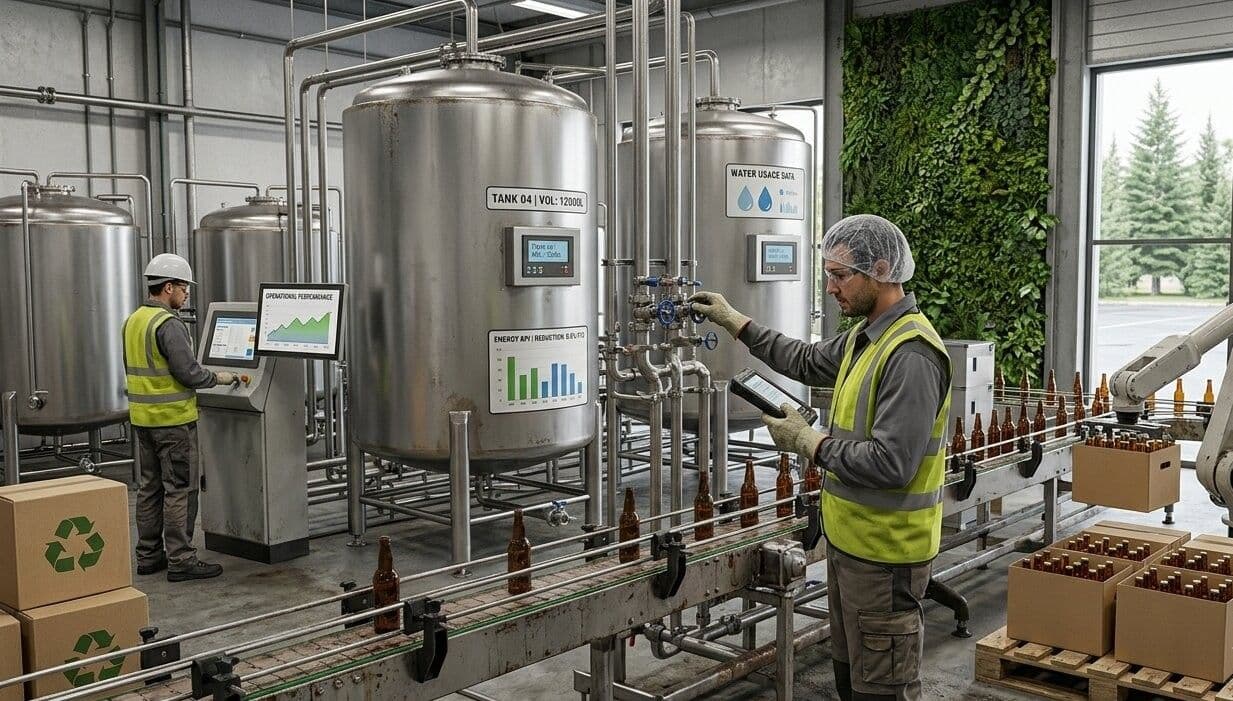
In addition to E-Jet fuel, AirPlant One is producing E-Naphtha, a low-carbon chemical feedstock used in products such as plastics, packaging, synthetic fibers, and solvents.
Twelve has already collaborated with major manufacturers on pilot projects involving automotive parts, consumer goods, and fashion products. The company believes these eChemicals can help industries reduce their dependence on fossil-based raw materials while building more resilient domestic supply chains.
Growing Importance of SAF
The launch comes as governments around the world introduce stricter sustainable aviation fuel requirements. New regulations in regions such as Europe and Asia are increasing demand for SAF, making supply availability an increasingly important issue for airlines.
Also Read: Google Backs Sustainable Aviation Fuel in New American Airlines Agreement
While AirPlant One alone will not meet future fuel demand, it provides an important commercial example of how renewable energy, carbon utilization, and aviation can work together. As the market for sustainable aviation fuel expands, projects like this could play a key role in shaping the future of cleaner air travel.
Follow more news and views via our Sustainable Finance & Technology and Featured Articles sections, and stay updated on the top ESG events to attend in 2026 for industry insights and networking.
If you're looking for suitable ESG and Sustainability providers to share customized solutions specific to your business needs, you can check out KnowESG's Solutions page.
If you are an ESG provider looking to get your organization listed on our portal, visit this page.
Source: ESG NEWS
Get the ESG Brief in your inbox
One concise email a week — the ratings moves, regulation deadlines, and vetted solutions that matter. Trusted by sustainability and finance teams.
No spam · unsubscribe anytime.