Mars Advances Climate Goals With 100% Renewable Electricity in the U.S.

Takeaways
- Mars has achieved 100% renewable electricity across all its U.S. operations, including factories, offices, veterinary hospitals, and diagnostic labs.
- The move helped the company cut Scope 1 and Scope 2 greenhouse gas emissions by 42.6% compared to 2015 levels.
- Mars is now expanding its renewable energy efforts across suppliers and agricultural value chains to further reduce emissions.
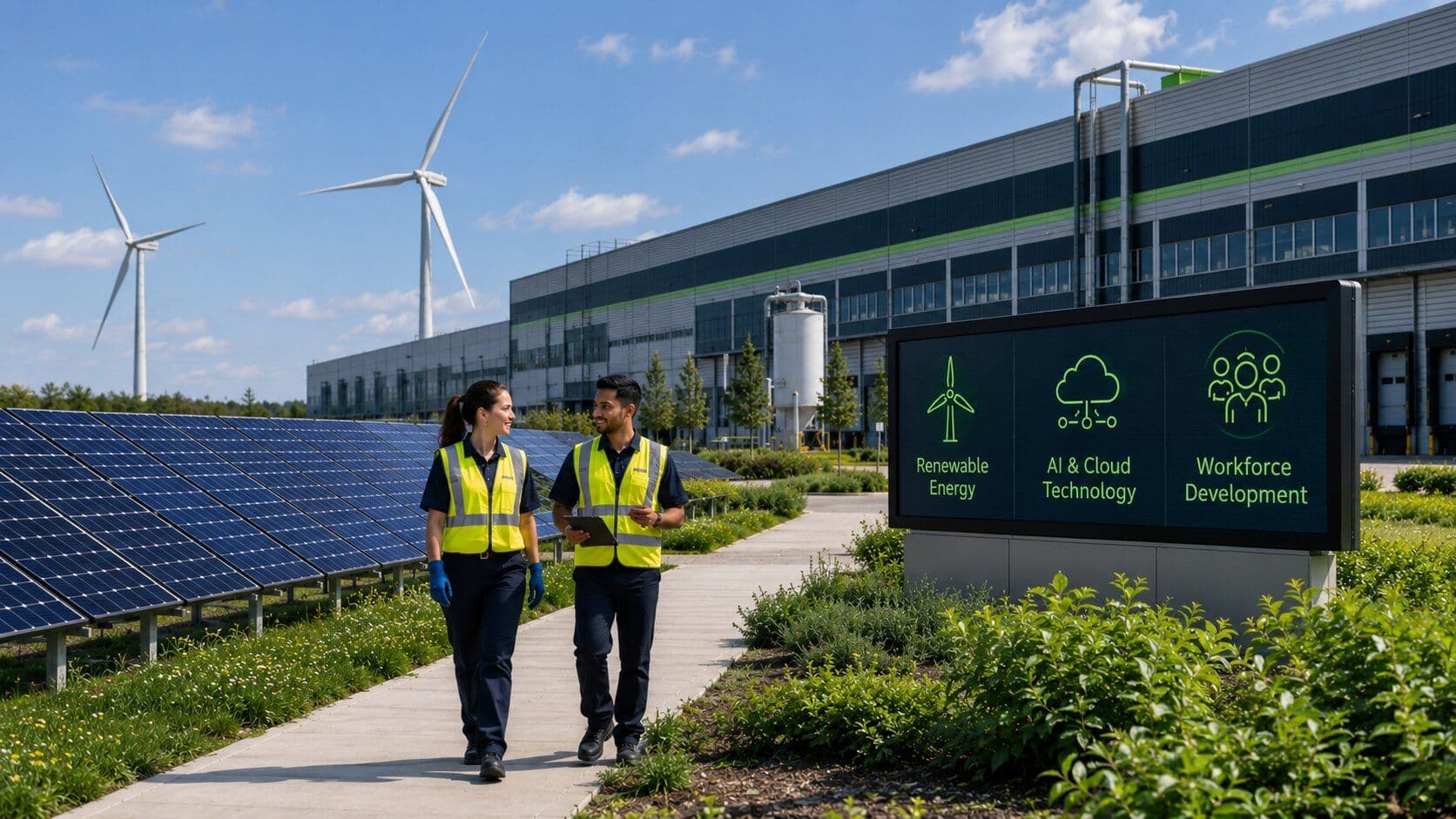
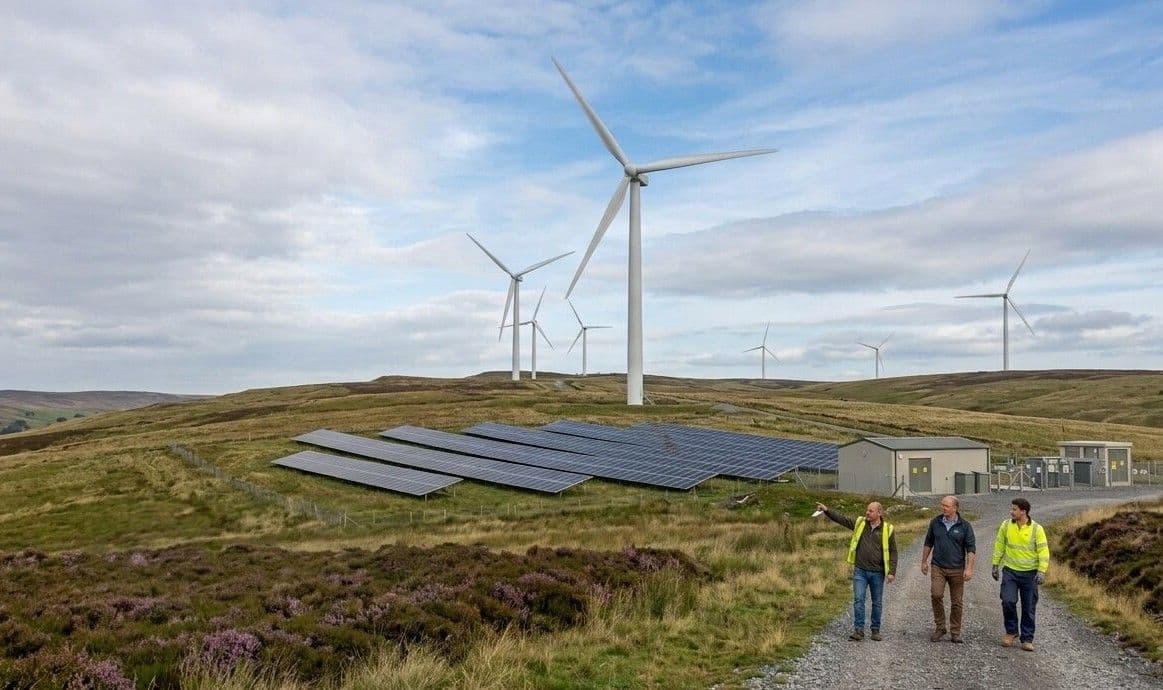
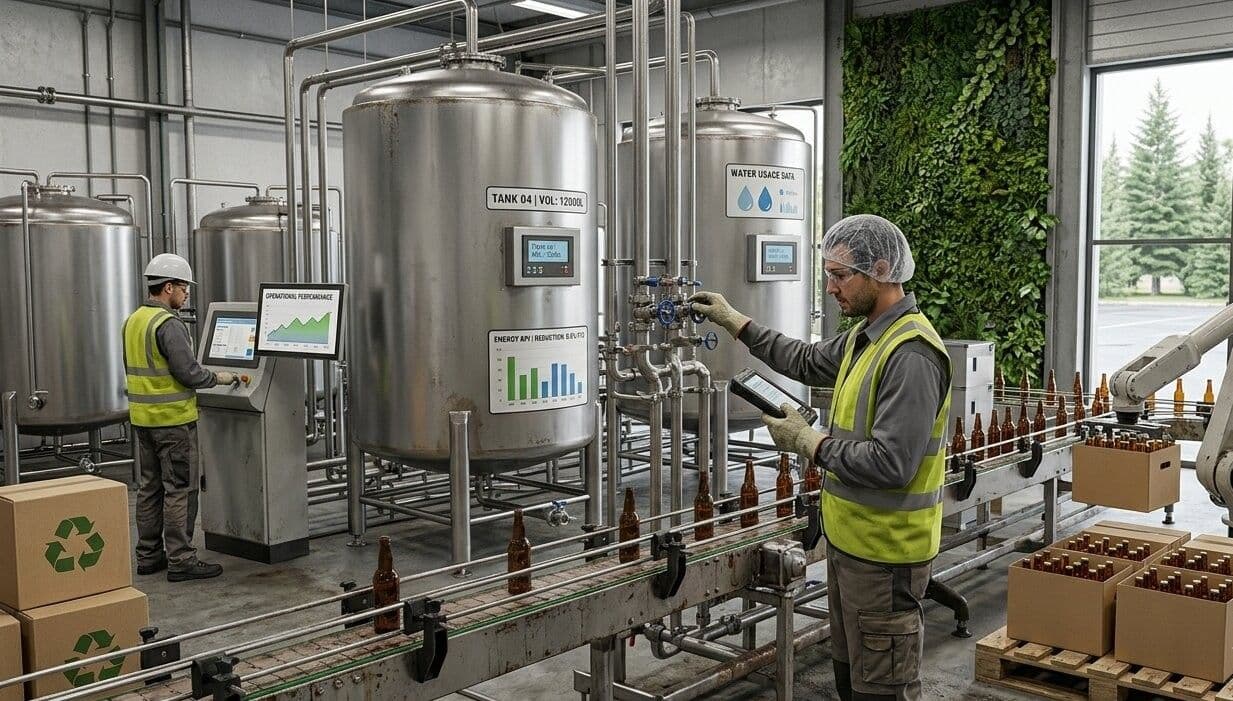
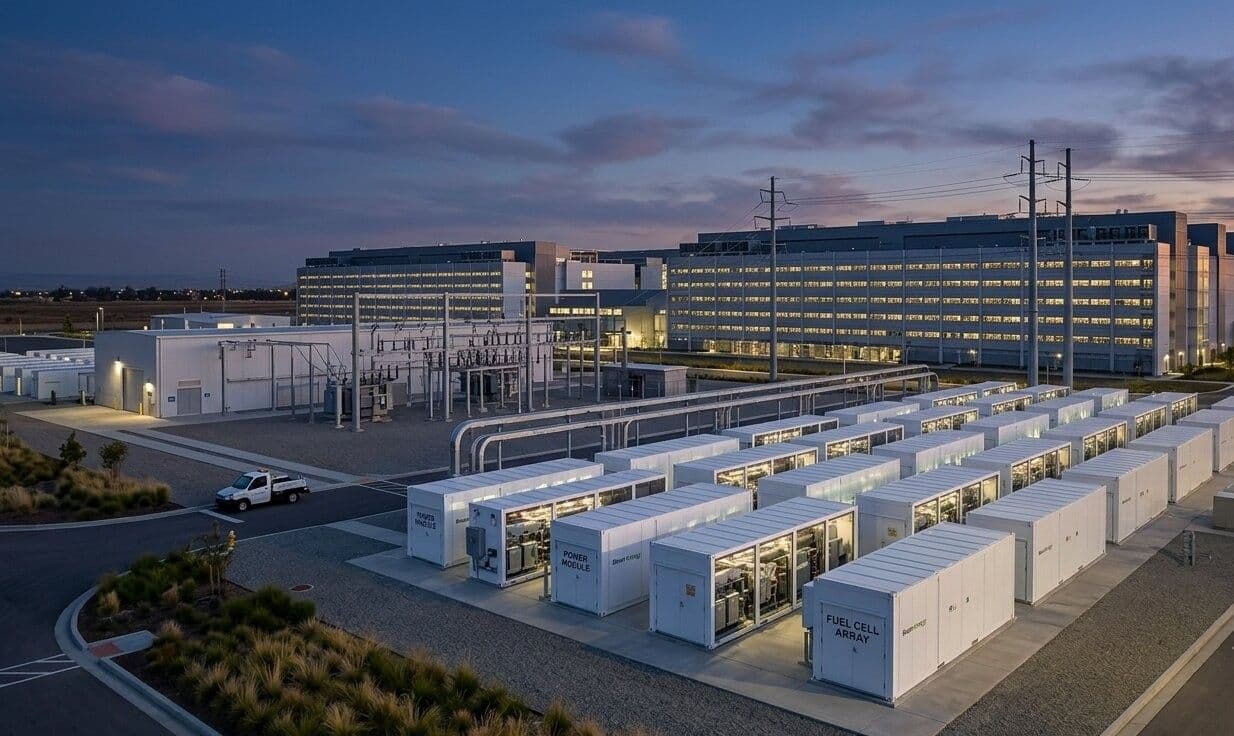
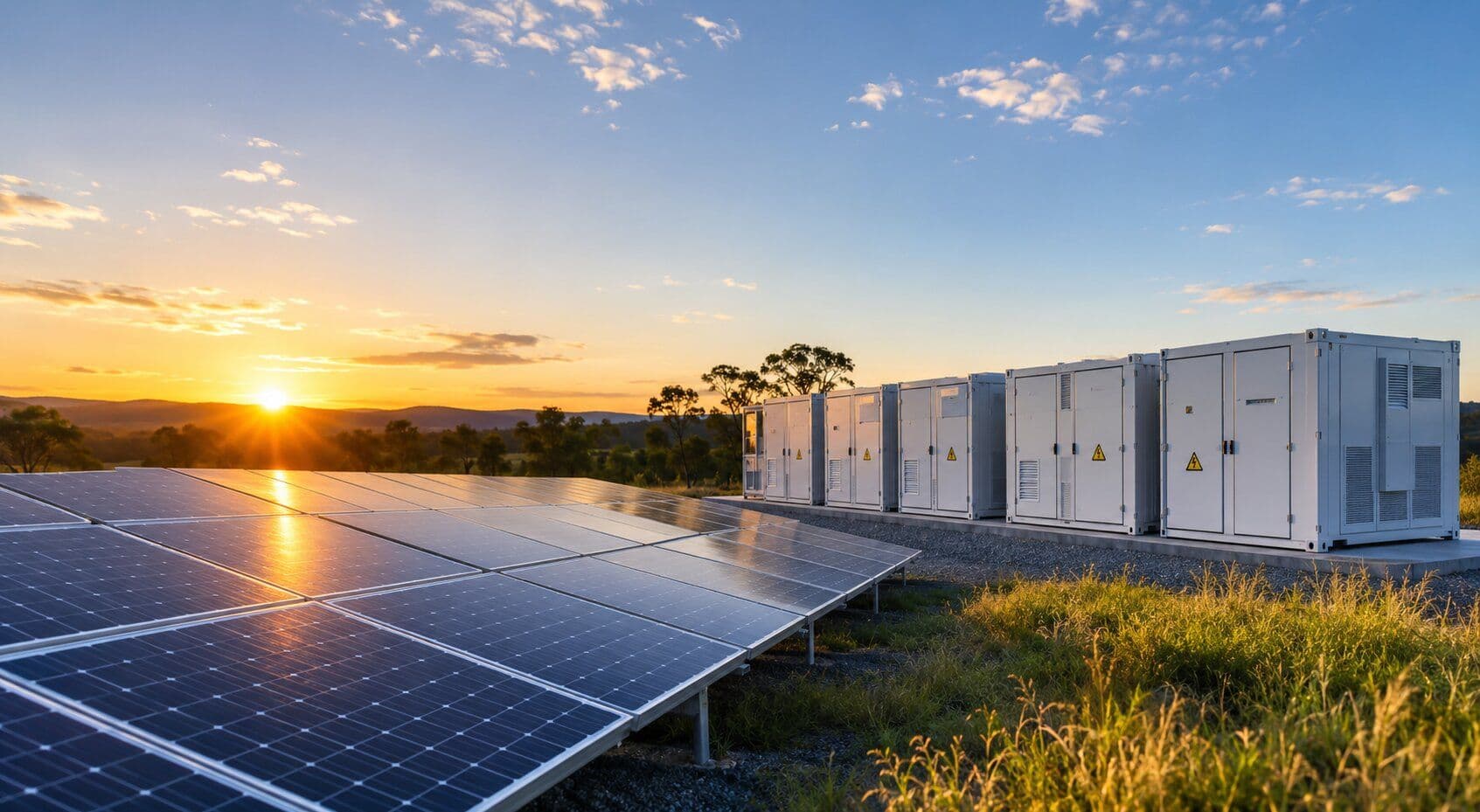
Mars has announced that all of its U.S. operations are now powered by 100% renewable electricity, marking a major milestone in the company’s long-term sustainability strategy.
The achievement covers a wide range of facilities, including manufacturing sites, corporate offices, veterinary hospitals, and diagnostic laboratories across the United States. The update was highlighted in the company’s 2025 sustainability report, which tracks progress on climate action, manufacturing, agriculture, and supply chain resilience.
According to Mars, the transition to 100% renewable electricity has contributed significantly to reducing its environmental footprint. The company reported a 42.6% reduction in Scope 1 and Scope 2 greenhouse gas emissions compared with its 2015 baseline. This allows Mars to meet its science-based emissions target for its direct operations and purchased energy.
The company also reported progress beyond its own facilities. Total emissions across its value chain fell by 6.4% in 2025, the largest annual reduction achieved by the company so far. Since 2015, Mars has lowered its overall emissions by 16.9%, even as the business has expanded by approximately 75%.
Read More: GM Renewable Electricity Goal Reached: First U.S. Automaker Hits 100%
Mars CEO Poul Weihrauch said the milestone demonstrates the company’s commitment to building a more resilient business. He noted that access to clean energy, stronger farming systems, and thriving communities are all essential to long-term sustainability.
Expanding Renewable Energy Beyond Direct Operations
While the latest achievement focuses on direct operations, Mars is increasingly targeting emissions across its broader supply chain. In 2025, the company launched its Renewables Acceleration (RAcc) program to encourage the adoption of renewable electricity among suppliers and partners.
Mars estimates the initiative could eliminate around 3 million metric tons of emissions by 2030, representing roughly 10% of its 2025 carbon footprint.
As part of the effort, Mars recently signed an agreement with Enel North America to support three new solar developments in Texas. Together, the projects are expected to generate about 1.80 terawatt-hours of renewable electricity annually, helping both Mars and its suppliers access clean energy.
Addressing Scope 3 emissions remains a key challenge for global food and pet care companies because most emissions occur outside their direct control. Mars believes expanding renewable energy access throughout its supply chain will play an important role in tackling this issue.
Climate-Smart Agriculture Gains Momentum
Alongside its clean energy initiatives, Mars continues to invest in climate-smart agriculture. The company now supports approximately 77 agricultural projects across 26 countries and 12 different crops.
Among its key initiatives is the Protect the Peanut program, which focuses on developing drought- and disease-resistant peanut varieties. Mars has committed about $5.2 million over five years to support the effort.
The company is also investing $20 million in its Raising Rice Right program through 2030, aiming to promote sustainable rice farming, farmer education, and industry collaboration.
In Poland, Mars has partnered with PepsiCo and ADM on a regenerative agriculture initiative supporting 24 farmers and thousands of hectares of farmland. The project seeks to improve soil quality, increase biodiversity, and strengthen long-term climate resilience.
Linking Sustainability and Business Growth
Mars is pairing its environmental goals with significant business investments. The company plans to invest approximately $2 billion in U.S. manufacturing and €1 billion in European operations by the end of 2026.
Additionally, Mars has launched a Sustainability Investment Fund with commitments of up to $250 million, alongside a new Impact Fund designed to support sustainability-focused projects.
Also Read: Nvidia Faces Scrutiny for Lagging on AI Supply Chain Decarbonization
With growing pressure on companies to demonstrate real emissions reductions, the Mars renewable electricity milestone represents an important step forward. The company’s next challenge will be extending those gains across suppliers, farms, and expanding manufacturing operations while continuing to reduce emissions on a global scale.
Follow more news and views via our Sustainable Finance & Technology and Featured Articles sections, and stay updated on the top ESG events to attend in 2026 for industry insights and networking.
If you're looking for suitable ESG and Sustainability providers to share customized solutions specific to your business needs, you can check out KnowESG's Solutions page.
If you are an ESG provider looking to get your organization listed on our portal, visit this page.
Source: ESG NEWS
Get the ESG Brief in your inbox
One concise email a week — the ratings moves, regulation deadlines, and vetted solutions that matter. Trusted by sustainability and finance teams.
No spam · unsubscribe anytime.