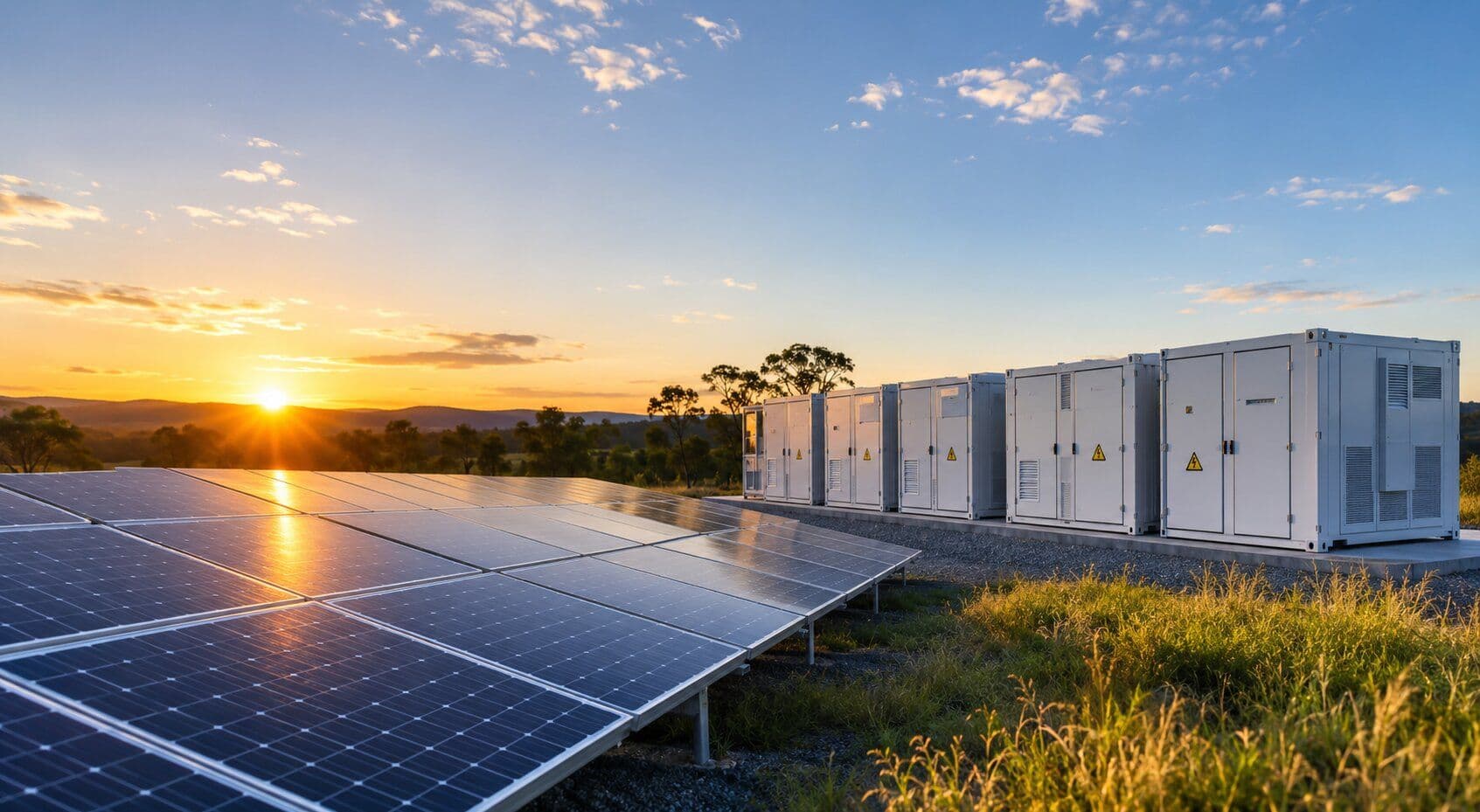
ERM, Jupiter Intelligence Turn Physical Climate Risk Into Strategic Advantage

Takeaways:
- Physical climate risk is moving from disclosure to core business and investment strategy.
- ERM and Jupiter Intelligence partnership combines science-based analytics with advisory expertise.
- The collaboration helps companies turn climate projections into actionable resilience and capital planning decisions.
As extreme weather events intensify across global markets, physical climate risk is rapidly becoming a boardroom priority. In response, sustainability consultancy ERM has partnered with climate analytics firm Jupiter Intelligence to help businesses convert climate projections into actionable business and investment strategies.
The ERM and Jupiter Intelligence partnership brings together science-based climate analytics and operational advisory capabilities. The goal is clear: Transform physical climate risk from a compliance requirement into a strategic tool for investment, resilience planning, and enterprise risk management.
Turning Climate Risk Into Investment-Grade Insight
Across industries such as infrastructure, manufacturing, and finance, companies are under growing pressure from investors and regulators to quantify exposure to floods, storms, and heat stress. Physical climate risk is no longer treated as a peripheral ESG issue. It is increasingly tied to credit ratings, asset valuation, insurance costs, and long-term enterprise value.
Jupiter Intelligence provides decision-grade analytics that allow organizations to assess asset-level exposure and evaluate future climate scenarios. These insights are designed to integrate directly into financial models, risk frameworks, and adaptation strategies. ERM will incorporate these analytics into client operations, helping organizations move beyond climate disclosure toward measurable resilience outcomes.
According to Michael Mangiante, Partner and Global Co-Lead for Climate Risk & Resiliency at ERM, businesses and investors are increasingly focused on understanding how severe weather will affect operations and portfolios. By combining science-based projections with advisory expertise, the firms aim to provide more accurate estimates of risk and guide clients toward concrete resilience actions.
Read More: EBA Targets Climate Risks in New ESG Guidelines
Early Applications Across Key Sectors
The partnership has already been deployed in multiple sectors. In finance, the firms have delivered portfolio-scale hazard analysis for infrastructure investors and asset managers. These frameworks support due diligence, adaptation prioritization, and investment decision-making across global holdings.
In manufacturing, climate projections have been integrated into operational resilience planning. This includes informing insurance positioning, site-level investments, and supply chain continuity strategies. By embedding physical climate risk into enterprise risk management systems, companies can better anticipate disruptions and protect long-term value.
Rich Sorkin, co-founder and CEO of Jupiter Intelligence, said organizations must move quickly from understanding climate exposure to building resilience. The partnership is designed to bridge the gap between climate science and real-world business decisions.
A Governance Issue, Not Just ESG
For C-suite leaders and investors, the collaboration underscores a broader shift. Physical climate risk is now central to governance, capital allocation, and corporate strategy. Regulators are tightening climate risk reporting requirements, and institutional investors are demanding stronger analytics and adaptation planning.
Companies that fail to quantify exposure may face rising insurance premiums, asset devaluation, or investor scrutiny. On the other hand, firms that demonstrate robust risk assessment and climate resilience strategies may gain a competitive advantage in securing capital and maintaining supply chain stability.
Also Read: Economic, Weather, ESG Risks Disrupt Supply Chains
At a time when extreme weather is becoming more frequent and costly, the ERM and Jupiter Intelligence partnership reflects a new phase in climate risk management, one where data, strategy, and execution come together to protect both assets and long-term enterprise value.
Follow more news and views via our Sustainable Finance & Technology and Featured Articles sections, and stay updated on the top ESG events to attend in 2026 for industry insights and networking.
If you're looking for suitable ESG and Sustainability providers to share customized solutions specific to your business needs, you can check out KnowESG's Solutions page.
If you are an ESG provider looking to get your organization listed on our portal, visit this page.
Source: ESG NEWS
Get the ESG Brief in your inbox
One concise email a week — the ratings moves, regulation deadlines, and vetted solutions that matter. Trusted by sustainability and finance teams.
No spam · unsubscribe anytime.