Denmark’s Carbon Capture Breakthrough Could Transform Cement Industry

Takeaways
- Denmark has approved one of Europe’s largest carbon capture and storage projects at cement producer Aalborg Portland.
- The facility aims to capture and permanently store 1.25 million tonnes of CO2 each year from 2030.
- The project could become a model for reducing emissions in hard-to-decarbonize industries across Europe.
Denmark has quietly taken a major step in the fight against climate change by backing a large-scale carbon capture and storage (CCS) project at cement producer Aalborg Portland. While carbon capture has long been discussed in climate policy circles, few projects have reached full industrial scale. Denmark’s latest move could change that.
The project will allow Aalborg Portland, Denmark’s largest CO2 emitter, to capture, transport, and permanently store around 1.25 million tonnes of carbon dioxide annually beginning in 2030. The development marks what could become Europe’s first true large-scale carbon capture system connected to a cement plant.
Unlike pilot projects or experimental trials, this initiative is designed to operate at full industrial capacity. Experts say that makes it an important test case for the future of industrial decarbonization in Europe.
Read More: DMAT’s Self-Healing Concrete Could Cement the Path to Low-Carbon Infrastructure
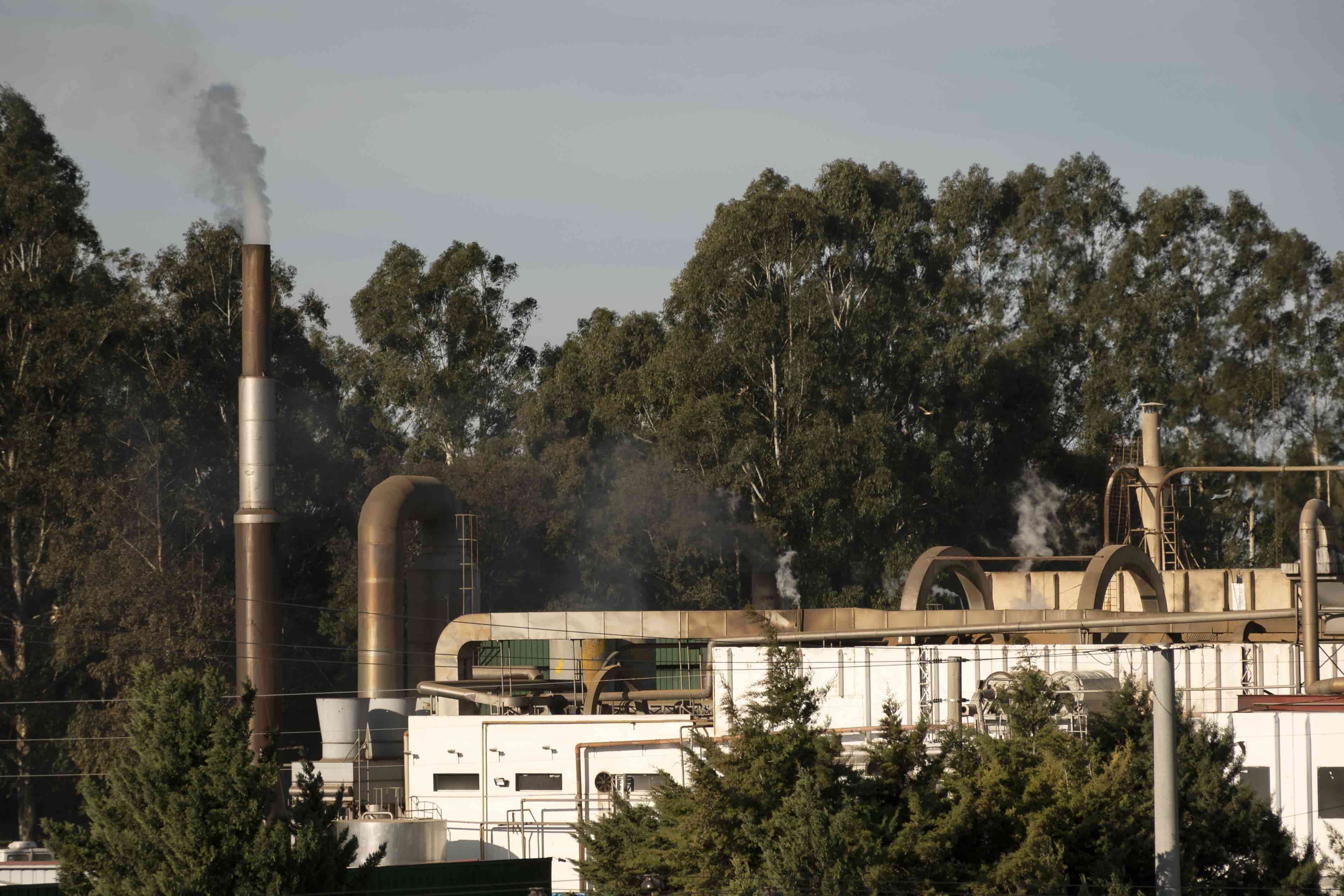
The cement industry has often stayed out of the public spotlight in climate discussions, despite being responsible for nearly 7% to 8% of global CO2 emissions. Producing cement releases emissions not only from fuel use but also from the chemical process involved in making clinker, a key ingredient in cement.
This means that even if cement plants switched entirely to renewable energy, a large share of emissions would still remain. For that reason, many climate experts see carbon capture and storage as one of the few practical solutions for reducing emissions from the sector.
Denmark’s support for the project signals a shift from climate promises toward concrete industrial action. Instead of relying on future technologies, the country is investing in systems that can reduce emissions from industries that are difficult to clean up today.
The Aalborg Portland facility is expected to become one of Europe’s largest CCS projects once operational. Supporters believe it could create a pathway for other industries such as steel, chemicals, and waste-to-energy plants to adopt similar technologies.
The project also highlights the growing pressure on Europe to balance climate goals with industrial competitiveness. Rising energy costs and strict environmental rules have increased concerns that heavy industries could move production outside Europe. Governments hope carbon capture and storage can help industries remain operational while still cutting emissions.
Another important aspect of the Danish tender was the outcome for other companies involved in the bidding process. Gaia Carbon Capture reportedly declined a reduced contract option, raising uncertainty around its previously announced carbon removal agreement with Microsoft.
The development reflects a broader reality within the carbon removal sector. While many companies have announced ambitious future targets and partnerships, relatively few projects have reached operational scale. Denmark’s decision effectively separated projects ready for implementation from those still dependent on future planning.
Also Read: Fortera Introduces its CO2-Based Green Cement Technology in Asia
Industry observers say the psychological impact of the Aalborg Portland project may be just as important as the technical achievement itself. Carbon capture has often faced criticism from environmental groups that viewed it as a way to prolong fossil fuel use. However, its growing role in sectors like cement could gradually change public perception.
Technologies such as offshore wind and solar energy also faced skepticism during their early years before costs fell and large-scale adoption followed. Some analysts believe CCS could now be entering a similar phase of normalization.
If successful, Denmark's carbon capture efforts may become a blueprint for reducing cement industry emissions across Europe. More importantly, the project could prove that industrial production and climate action do not necessarily have to work against each other.
Follow more news and views via our Sustainable Finance & Technology and Featured Articles sections, and stay updated on the top ESG events to attend in 2026 for industry insights and networking.
If you're looking for suitable ESG and Sustainability providers to share customized solutions specific to your business needs, you can check out KnowESG's Solutions page.
If you are an ESG provider looking to get your organization listed on our portal, visit this page.
Source: OILPRICE.com