From Bottles to Climate Solution: Plastic Waste Becomes Carbon Capture Material

Takeaways
- University of Copenhagen chemists have developed a method to turn plastic waste into a carbon capture material called BAETA.
- The innovation upcycles PET plastic, commonly found in bottles and packaging, into a sustainable solution for reducing CO2 emissions.
- BAETA could be deployed at industrial sites to filter emissions, offering both climate and pollution benefits.
Scientists Find Way to Turn Plastic Waste Into Carbon Capture Materials
Chemists at the University of Copenhagen have unveiled a breakthrough that could simultaneously combat plastic pollution and climate change. Their research shows how polyethylene terephthalate (PET), the world’s most widely used plastic, can be transformed into a new carbon capture material known as BAETA.
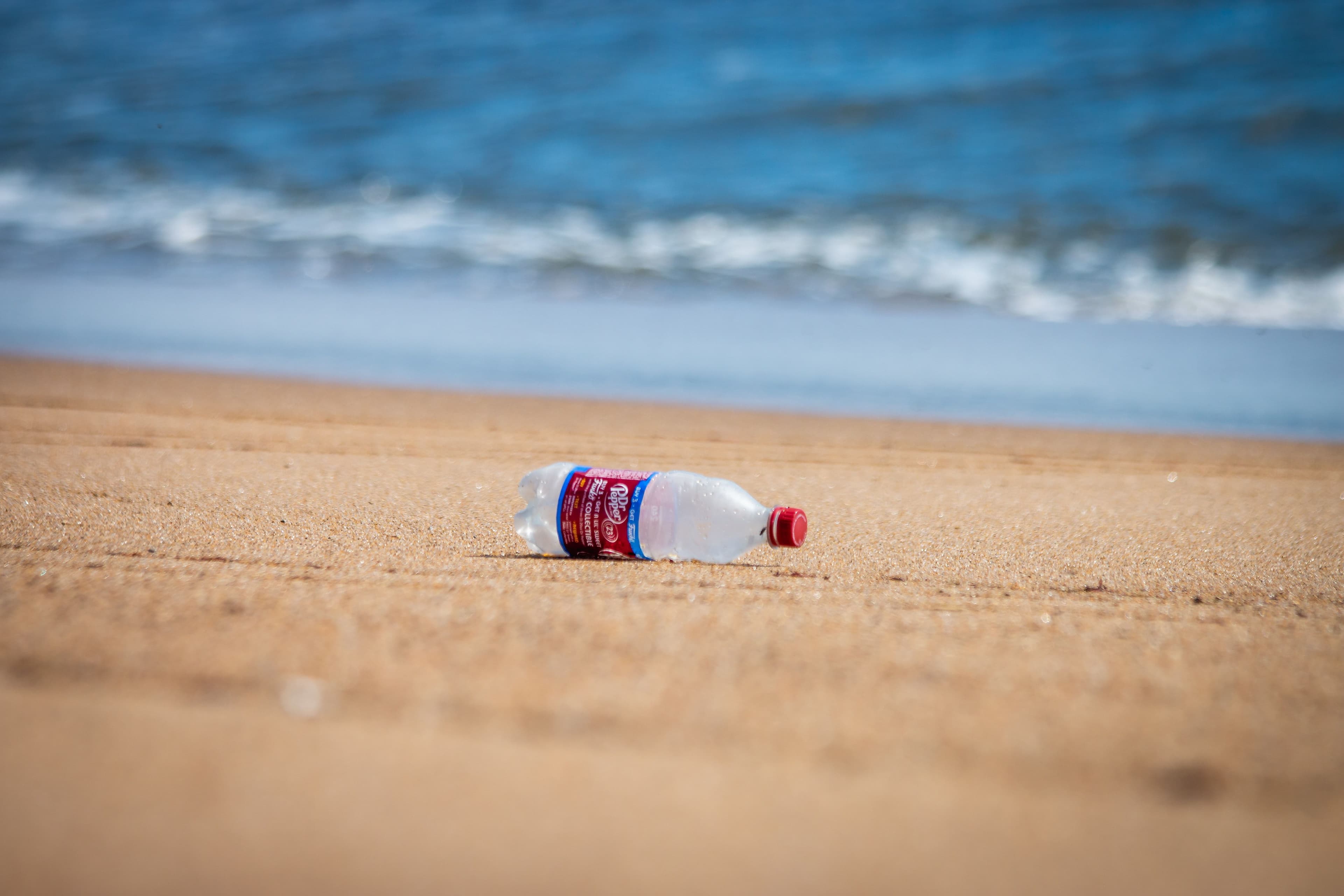
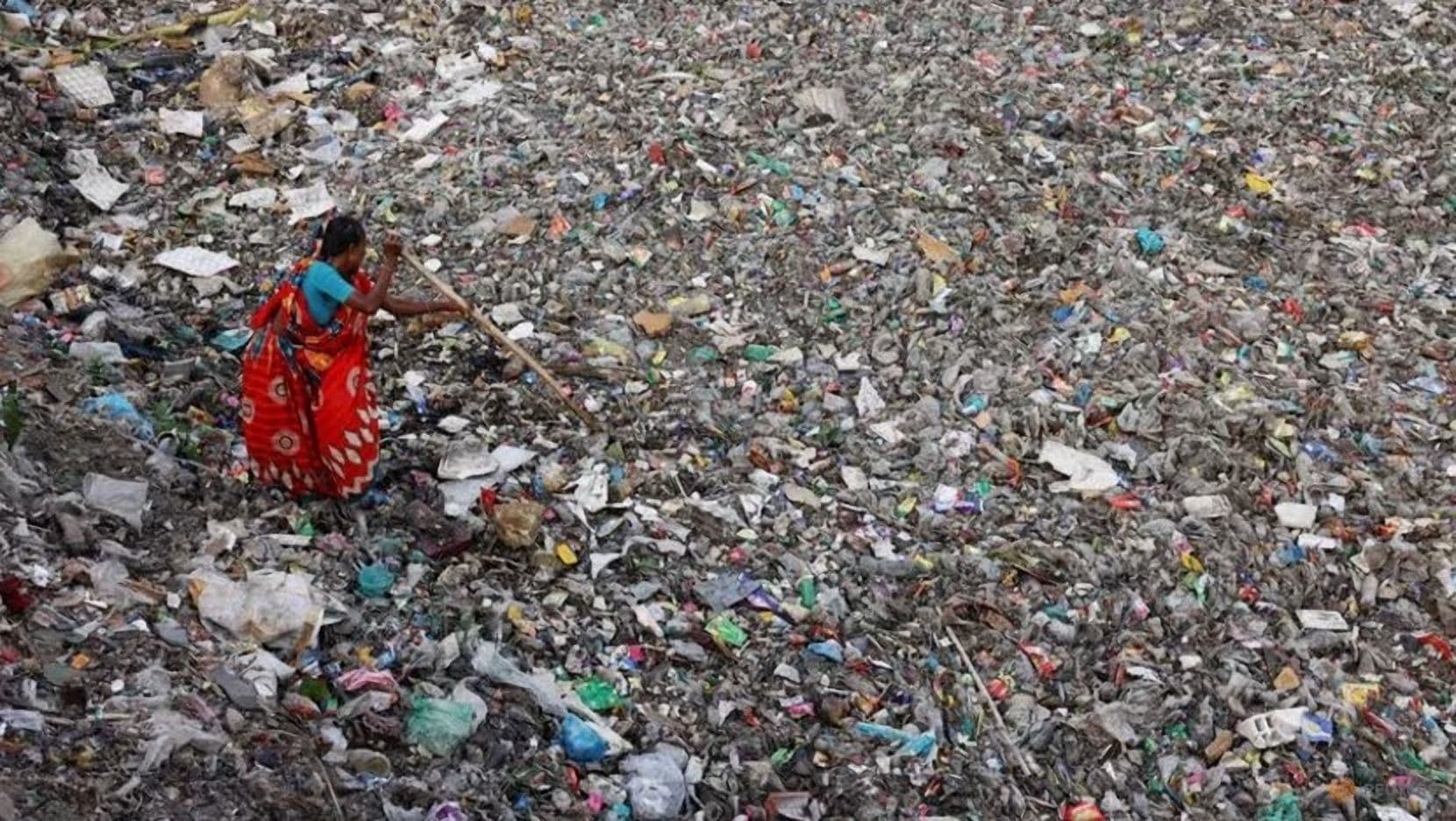
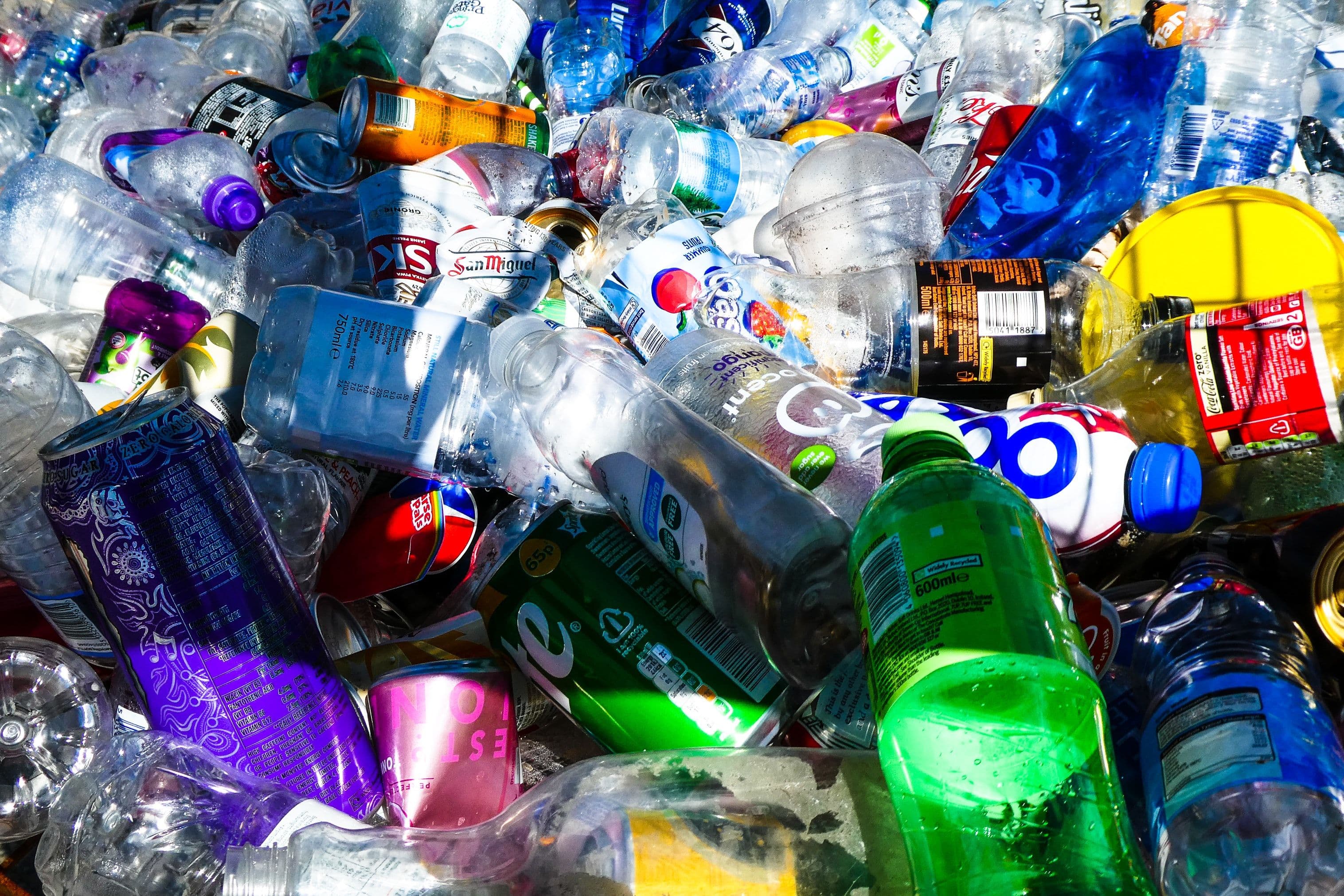
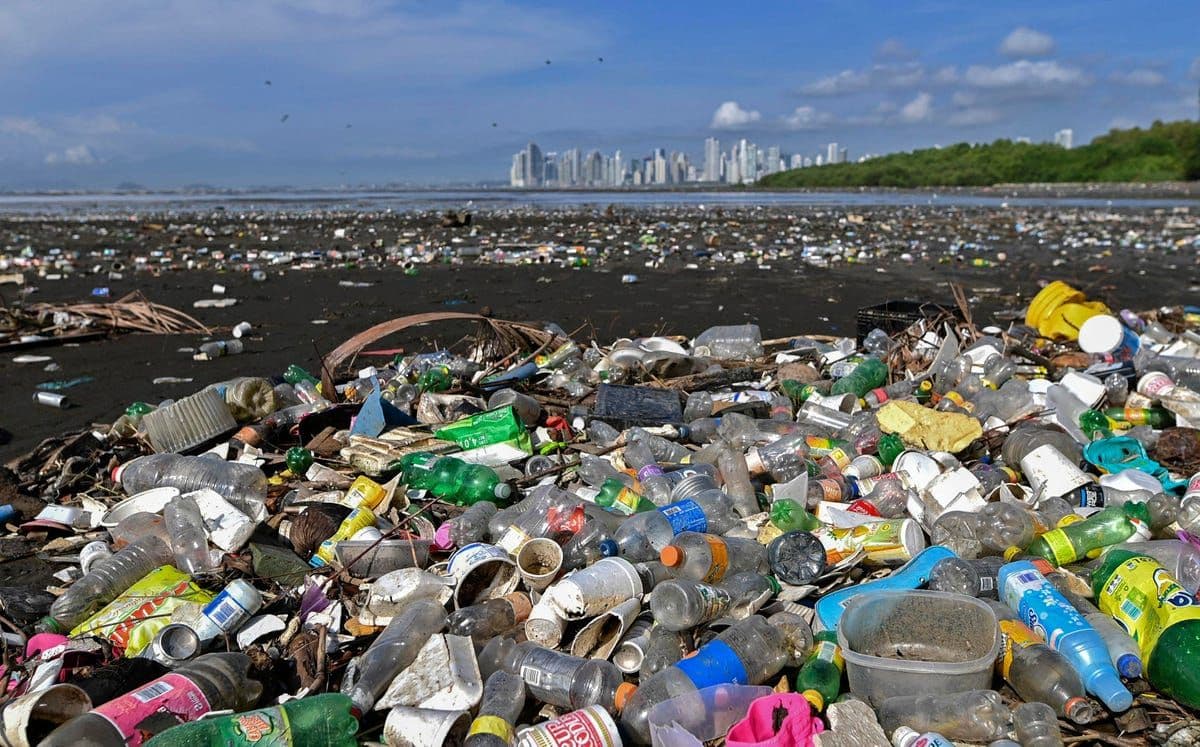
PET is commonly found in bottles, textiles, and packaging. Once discarded, it often ends up in landfills or oceans, where it slowly degrades into harmful microplastics. Instead of contributing to pollution, researchers have now discovered a way to “upcycle” PET into BAETA, a material that can efficiently absorb carbon dioxide (CO2) from the atmosphere and industrial emissions.
“By turning waste into a raw material that can actively reduce greenhouse gases, we make an environmental issue part of the solution to the climate crisis,” said Margarita Poderyte, lead author of the study.
Read More: What is Carbon Capture and Storage?
From Plastic Bottles to Climate Solution
BAETA, described as a powdery substance that can be formed into pellets, has a chemically enhanced surface designed to bind with CO2. Once saturated, the material can be heated to release concentrated CO2, which can then be stored or reused. This makes it especially promising for industrial sites, where BAETA units could filter emissions directly from smokestacks.
Unlike traditional carbon capture methods, BAETA operates under gentler conditions at ambient temperatures and can be scaled for large-scale production. The material is also durable, functioning effectively from room temperature up to 150°C, making it suitable for high-heat exhaust systems.
The findings, published in Science Advances, highlight BAETA’s dual sustainability advantage: reusing otherwise non-recyclable PET waste while delivering efficient CO2 capture.
A Push for Scalable Solutions
Poderyte, along with co-author Jiwoong Lee, also pointed out that ocean plastic could serve as a valuable feedstock. If scaled up, the method could create incentives for cleaning up marine plastic pollution while contributing to global climate goals.
“The next big step is scaling up to produce the material in tonnes,” Poderyte said. “We’re already working to attract investments and make our invention a financially sustainable business venture.”
Also Read: UK Firm Turns Captured CO2 into Materials for Roads, Buildings
If successful, BAETA could mark a turning point in the global fight against climate change, transforming plastic waste from an environmental burden into a tool for carbon capture.
Follow more news and views via our Environment and Featured Articles sections, and stay updated on the top ESG events to attend in 2025 for industry insights and networking.
Source: Carbon Herald
Get the ESG Brief in your inbox
One concise email a week — the ratings moves, regulation deadlines, and vetted solutions that matter. Trusted by sustainability and finance teams.
No spam · unsubscribe anytime.