DMAT’s Self-Healing Concrete Could Cement the Path to Low-Carbon Infrastructure

Takeaways
- Cambridge-based startup DMAT has raised $4.5 million to commercialize its self-healing concrete that reduces emissions and doubles infrastructure lifespan.
- The funding, led by Primo Capital’s Climate Fund, will support DMAT’s expansion into the U.S. market and scale up production capacity.
- The technology could cut CO₂ emissions by up to 60%, offering a breakthrough in the decarbonization of the cement and concrete industry.
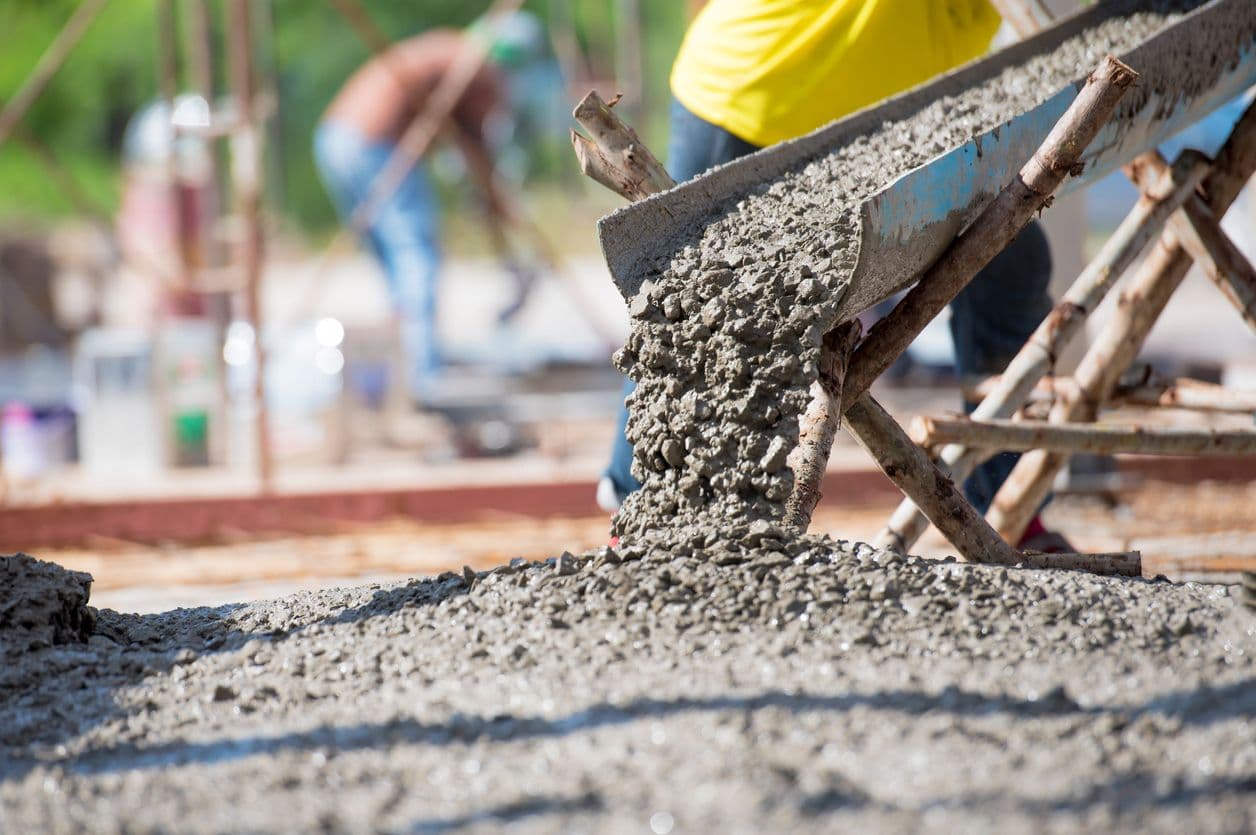
Cambridge-based materials startup DMAT has raised $4.5 million to accelerate the commercialization of its self-healing concrete, a groundbreaking material designed to extend the life of infrastructure while tackling one of the most pressing climate challenges, the carbon footprint of cement.
The funding round was led by Italy’s Primo Capital SGR, through its Primo Climate fund, with participation from Safar Partners (U.S.), Corbites, PeopleFund, and Deep Future, founded by technologist Pablos Holman. The investment will help DMAT expand into new markets, boost U.S. production capacity, and forge strategic partnerships across the global construction industry.
Read More: Boral Advances CO₂ Capture with Recycled Concrete in Low-Carbon Mix
DMAT CEO and Co-Founder Paolo Sabatini said the investment represents a major milestone in the company’s journey from MIT’s research labs to commercial deployment in Europe. “The trust of world-class investors will enable us to build strategic partnerships and activate production in the United States,” Sabatini said.
Reinventing Concrete for a Low-Carbon Future
DMAT’s proprietary self-healing concrete can automatically repair cracks and resist carbonation, two leading causes of structural decay. This innovation extends concrete lifespan twofold and reduces emissions by up to 60% over its lifecycle by lowering cement usage and cutting repair needs.
The company’s materials have already received European certification and are being used in highway and precast construction projects. According to Safar Partners’ Managing Partner Arunas Chesonis, DMAT’s solution is both economically and environmentally transformative. “DMAT’s technology will help reshape one of the world’s most strategic industries—construction. Combining sustainability with superior economic performance is critical to the global transformation of hard industries,” he said.
Cement’s Carbon Challenge
Concrete remains the world’s most used man-made material, accounting for about 8% of global CO₂ emissions. Cement, the key ingredient, contributes nearly 90% of these emissions. With global concrete demand expected to rise 30% by 2050, the pressure is on to decarbonize construction materials.
By enabling longer-lasting structures, DMAT’s self-healing technology could cut embedded emissions, lower maintenance costs, and reduce reliance on energy-intensive clinker production.
Scaling Innovation for Global Impact
Co-founded with MIT Associate Professor Admir Masic, DMAT is part of a growing wave of deep-tech startups tackling industrial decarbonization. Its move into U.S. and European markets aligns with policies like the EU’s Net-Zero Industry Act and the U.S. Inflation Reduction Act, both of which prioritize sustainable infrastructure.
With the $1 trillion global concrete market representing around 1% of global GDP, innovations like DMAT’s could redefine the industry’s approach to durability and emissions. Backed by Primo Climate and other strategic investors, DMAT aims to scale production and integrate its technology into major infrastructure projects, aligning profitability with sustainability.
Also Read: Open-Access CO₂ Infrastructure Being Readied at Port of Södertälje
If successful, its self-healing concrete could help bridge one of the toughest gaps in industrial decarbonization, making concrete both longer-lasting and meaningfully less carbon-intensive.
Follow more news and views via our Sustainable Finance & Technology and Featured Articles sections, and stay updated on the top ESG events to attend in 2025 for industry insights and networking.
Source: ESG NEWS