Cora Environment Sets S$200m Plan to Drive Recycling and Waste Management Upgrade

Takeaways
- SembWaste has rebranded to Cora Environment, following its acquisition by Indonesia’s TBS Energi Utama.
- The company will invest S$200 million over five years to upgrade facilities, expand services, and launch a data-driven platform for sustainable waste management.
- Cora aims to push recycling upstream, improve traceability, and explore regional expansion in Southeast Asia.
SembWaste, one of Singapore’s largest waste management players, has rebranded as Cora Environment and pledged to invest S$200 million over the next five years to accelerate its transformation and growth.
The company, which was acquired by Indonesian energy firm TBS Energi Utama earlier this year, announced the rebrand and investment plans on Thursday (Sep 11). The funding will go into strengthening Cora’s waste management capabilities, upgrading existing facilities, and developing a new digital platform that will provide customers with sustainability insights through data analytics.
Read More: ESG and the Waste Management Dilemma
“By aligning resources towards emerging opportunities and developing new capabilities, these initiatives will reinforce Cora Environment’s integrated expertise and enhance its position to deliver longer-term value across the waste management value chain for its customers, stakeholders and the wider community,” the company said in a statement.
From Public Waste to Digital Transformation
Previously owned by Sembcorp Industries, Cora Environment manages waste collection and recycling in several districts, including Singapore’s city centre, Punggol, Clementi, and Bukit Merah, under the National Environment Agency’s public waste collection scheme. It also runs material recovery facilities and one of the nation’s four energy-from-waste plants.
Sembcorp sold its waste management arm to TBS for S$405 million last November, completing the deal in March 2025. TBS, which operates in both Singapore and Indonesia, also owns a medical and hazardous waste treatment business, an area that Cora may expand into.
Pushing Recycling Upstream
Under its new parent, Cora is shifting its approach from general waste collection to targeted and sustainable waste management services. One major initiative is to push recycling upstream, starting waste separation earlier in the collection process.
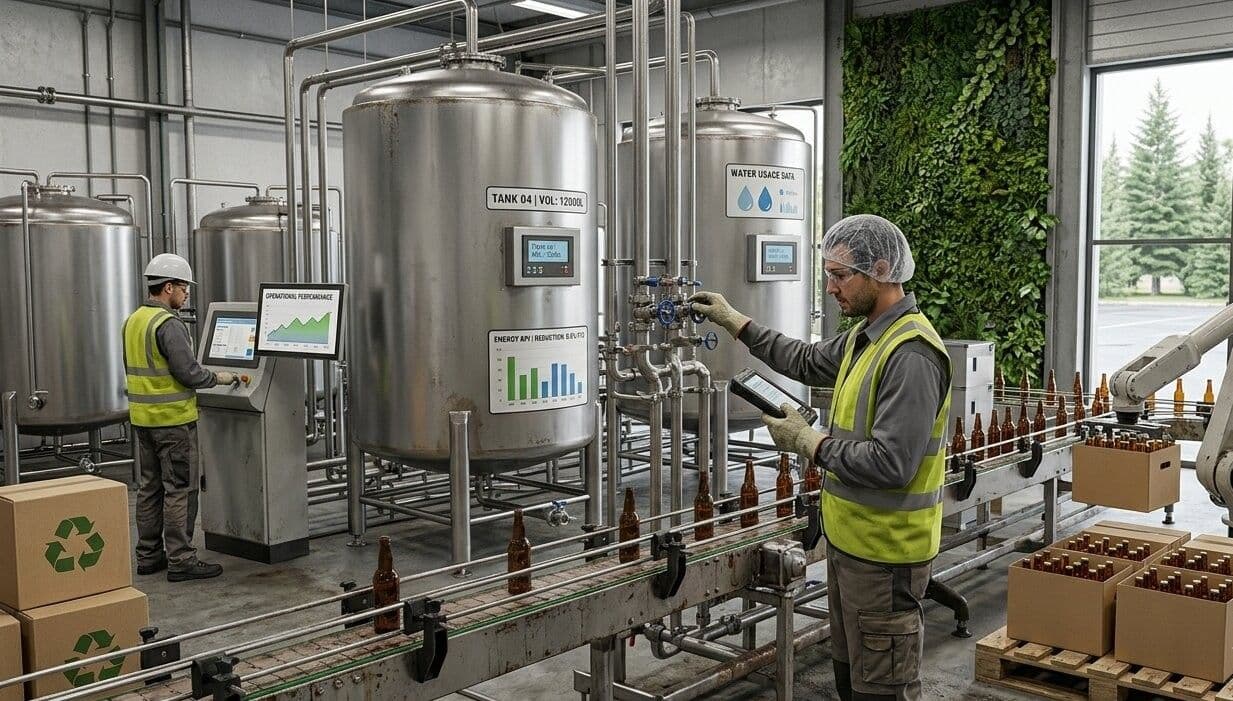
Over the past two years, the company has piloted a system that uses data to profile waste across 23 categories. This helps clients identify recyclable materials that could be diverted from incineration. For instance, if a corporate client produces high volumes of plastic waste, separating it at the source ensures it can be directly passed to recyclers without costly sorting.
“When it’s homogeneous, I can recycle it very quickly,” said CEO Lee Kok Kin, noting that upstream segregation reduces contamination, lowers costs, and increases recycling efficiency.
Also Read: NTU Scientists Find Safe Method to Recycle E-Waste Plastic
Building a Regional Footprint
Cora is also working with 14 partners in an accreditation scheme to improve transparency and traceability in recycling. Beyond Singapore, the company is exploring regional expansion into Malaysia and Indonesia, leveraging synergies with TBS’s operations.
“We could strengthen our position in Singapore, and also perhaps have expansion plans regionally. Singapore is one of the countries in ASEAN that have energy-from-waste capabilities, so that, in terms of the synergistic possibilities, could allow us to expand... into the region,” Lee said.
By rebranding and repositioning itself, Cora Environment is aiming to evolve from a local waste collector into a regional ecosystem enabler, helping businesses and communities move closer to zero-waste and ESG goals.
Follow more news and views via our Investors and Featured Articles sections, and stay updated on the top ESG events to attend in 2025 for industry insights and networking.
Source: THE BUSINESS TIMES
Get the ESG Brief in your inbox
One concise email a week — the ratings moves, regulation deadlines, and vetted solutions that matter. Trusted by sustainability and finance teams.
No spam · unsubscribe anytime.