How Sustainable Land Development Supports Long-Term Community Growth
Sustainable land development shapes communities that grow responsibly, function efficiently, and stay resilient over time. As cities, suburbs, and rural areas keep expanding — the UN projects 68% of the world will live in urban areas by 2050, up from 55% today — the development decisions made now will influence public infrastructure, environmental quality, economic opportunity, and quality of life for decades. A sustainable approach balances growth with long-term community needs, ensuring land is used wisely and that future generations inherit places that are safe, livable, and adaptable.
For developers, municipalities, property owners, and public agencies, working with experienced planning and engineering professionals makes this process more effective. Thoughtful land development services help align site design, infrastructure planning, environmental considerations, and regulatory requirements so projects support both immediate goals and long-term community growth.
What Is Sustainable Land Development?
Sustainable land development is the planning, design, and construction of built environments in a way that weighs environmental, economic, and social impacts. It does not mean stopping growth. It means guiding growth so that new development adds lasting value to the surrounding community. In practice, that includes:
- Efficient land use
- Responsible water management
- Protection of natural resources
- Safe transportation access
- Durable infrastructure
- Walkable, connected spaces
- Reduced environmental impact
- Long-term maintenance planning
When these elements work together, communities grow without placing unnecessary strain on roads, utilities, drainage systems, open spaces, or public services.
Why Long-Term Planning Matters in Land Development
Every development project affects more than the boundaries of a single site. A new residential community, commercial center, industrial facility, or mixed-use development reshapes traffic patterns, stormwater runoff, utility demand, public safety, and future investment across the surrounding area.
Without long-term planning, communities face overcrowded roads, flooding, poor access, fragmented neighborhoods, and expensive infrastructure repairs. Sustainable land development reduces these risks by considering how a project will function over its full lifespan, not just at opening day.
Better Use of Land and Infrastructure
Land is a limited resource. Sustainable development uses available space practically, designing compact layouts, preserving important natural features, and connecting new infrastructure to existing systems wherever possible.
Efficient land use helps communities avoid scattered development patterns that drive up the cost of roads, utilities, and emergency services. It also creates neighborhoods and business districts that are easier to serve, maintain, and improve.
Reduced Public Costs Over Time
Poorly planned development creates long-term financial burdens for local governments and taxpayers. Roads need early repairs, drainage systems fail, utilities require costly upgrades, and public services stretch thin.
Sustainable land development prioritizes durable infrastructure and responsible site planning from the outset. That lowers maintenance costs, improves system performance, and helps municipalities manage growth more effectively.
Environmental Benefits of Sustainable Land Development
Environmental responsibility is central to sustainable development. Communities depend on clean water, healthy landscapes, stable ecosystems, and safe public spaces. Development that ignores environmental conditions damages these resources and creates long-term problems.
Stormwater Management and Flood Reduction
As land is developed, natural ground is replaced with buildings, roads, parking lots, and sidewalks. According to the US EPA, these impervious surfaces prevent precipitation from soaking into the ground, increasing runoff and, in intense storms, overwhelming stormwater systems and causing localized flooding. Sound drainage planning is what keeps that runoff in check. Effective strategies include:
- Detention and retention ponds
- Bioswales and rain gardens
- Permeable pavement
- Natural drainage corridors
- Green infrastructure
- Proper grading and site design
These solutions reduce flood risk, protect downstream properties, and improve water quality by slowing and filtering stormwater before it reaches waterways.
Protection of Natural Resources
Responsible development begins with understanding the land. Site assessments identify wetlands, trees, slopes, drainage patterns, and wildlife habitats, giving project teams the information to decide where to build, what to preserve, and how to limit disruption.
Protecting natural resources also raises the character and value of a development. Preserved trees, open spaces, trails, and natural buffers make communities more attractive while supporting environmental health.
Lower Environmental Impact
Thoughtful design reduces energy use, vehicle dependence, water consumption, and construction-related impacts. Site orientation, landscaping, utility planning, and transportation connections all shape a project’s environmental footprint.
By designing for long-term performance, communities support growth while easing unnecessary environmental strain.
Economic Value for Communities
Sustainable land development is an economic growth strategy as much as an environmental one. Communities that are well-planned, accessible, and resilient are more likely to attract investment, support businesses, and hold their property values.
Stronger Property Values
People and businesses are drawn to places that are safe, attractive, and functional. Developments with reliable infrastructure, good access, quality public spaces, and considered design perform better over time.
Sustainable planning supports property value by reducing the risks tied to flooding, poor circulation, utility limitations, and environmental issues. It also builds a stronger sense of place, which keeps communities competitive.
Business and Job Growth
Commercial and mixed-use developments bring jobs, services, and tax revenue to a community. Those benefits are stronger when development is backed by proper infrastructure, transportation access, and land use planning.
Sustainable land development creates the conditions businesses need to operate: safe roads, reliable utilities, efficient site access, and well-planned growth areas.
More Efficient Public Investment
Local governments invest heavily in roads, drainage, utilities, parks, and public facilities. Sustainable development ensures those investments are used efficiently — when projects are planned with future growth in mind, infrastructure serves broad community needs instead of patching short-term problems.
Social Benefits and Quality of Life
Community growth is measured not only by buildings, roads, and economic activity, but by how people experience daily life. Sustainable land development supports healthier, safer, and more connected communities.
Walkability and Connectivity
Well-planned development considers how everyone moves through a place — drivers, pedestrians, cyclists, transit users, and emergency responders. Streets, sidewalks, trails, and access points are designed for safety and convenience.
Connected communities reduce isolation, improve access to services, and support more active lifestyles, making it easier for residents to reach schools, parks, shops, and workplaces.
Access to Open Space
Open space contributes to public health, recreation, and community identity. Parks, greenways, trails, plazas, and landscaped areas give people places to gather, exercise, and enjoy the outdoors.
Sustainable land development integrates open space into the overall site plan rather than treating it as an afterthought, creating more balanced communities and a better daily experience for residents and visitors.
Safer and More Resilient Communities
Resilience is key to long-term growth. Communities must be ready for heavy storms, changing weather patterns, population shifts, and evolving infrastructure needs. Sustainable development reduces vulnerability by planning for these conditions early.
That means better drainage, stronger infrastructure, safer transportation layouts, emergency-access planning, and flexible land use strategies.
The Role of Planning, Engineering, and Collaboration
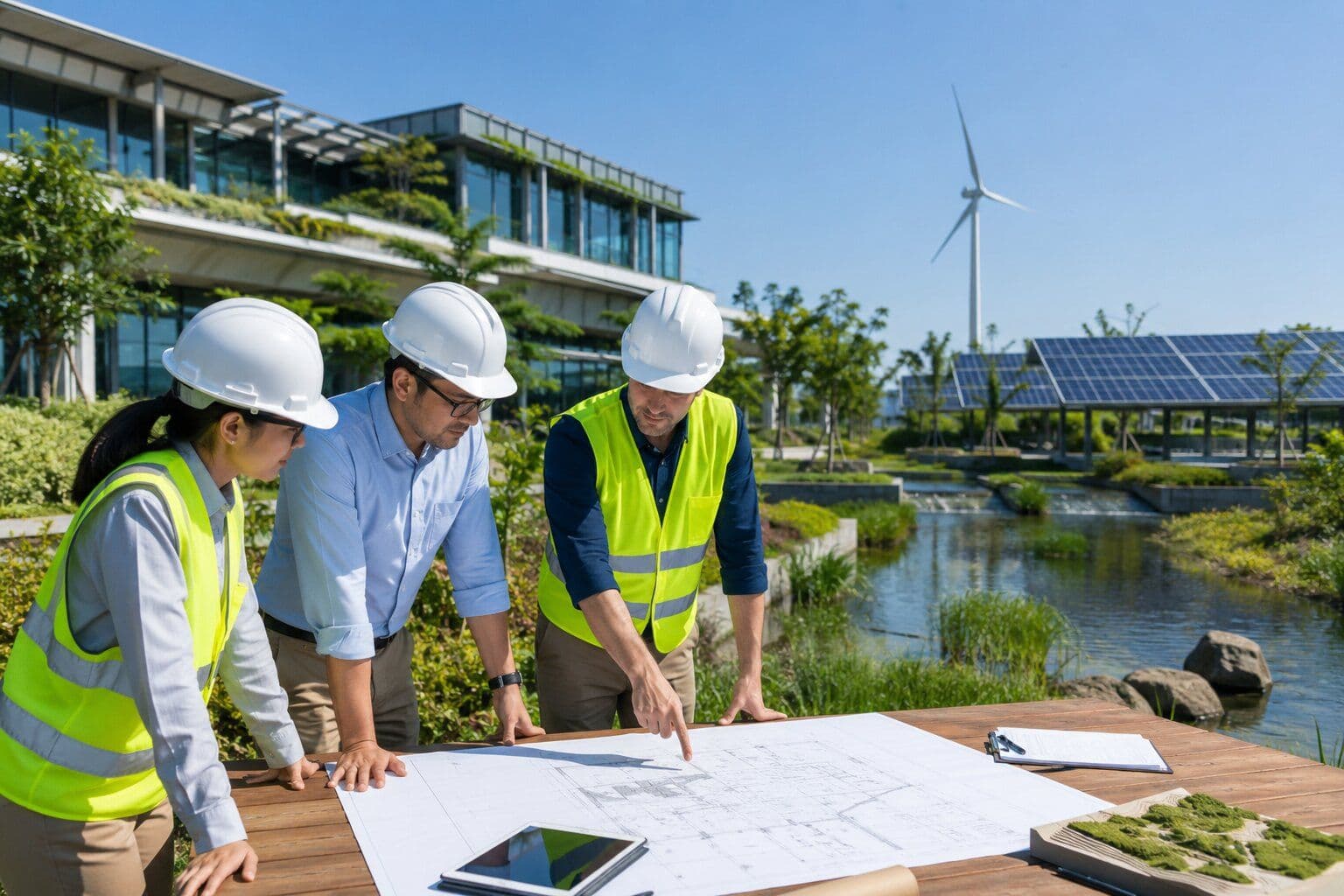
Sustainable land development takes coordination across many disciplines. Engineers, planners, landscape architects, environmental specialists, surveyors, developers, public officials, and community stakeholders all play a part.
Successful projects begin with early collaboration. Evaluating constraints and opportunities at the start avoids costly redesigns, permitting delays, and construction challenges. Key planning considerations include:
- Site conditions and environmental features
- Existing infrastructure capacity
- Utility needs
- Drainage and flood risk
- Transportation access
- Local regulations and permitting
- Community goals
- Long-term maintenance requirements
This coordinated approach keeps development practical, compliant, and beneficial to the broader community.
Sustainable Development and Future Growth
Communities are always changing. Population growth, housing demand, economic trends, environmental concerns, and infrastructure needs all shape how land should be developed. A sustainable approach gives communities more room to adapt. Instead of focusing only on immediate construction, it asks broader questions:
- Will this project still function well in 20 or 30 years?
- Can the infrastructure support future demand?
- Does the design reduce environmental risk?
- Does the project improve quality of life?
- Will it support future investment?
- Does it fit the long-term vision for the area?
These questions guide smarter decisions and stronger outcomes.
Conclusion
Sustainable land development supports long-term community growth by balancing progress with responsibility. It uses land efficiently, protects natural resources, reduces infrastructure costs, supports economic investment, and improves quality of life. When development is planned with the future in mind, it creates places that work today and remain resilient and valuable for generations.
As communities keep growing, sustainable land development stays essential to building stronger, healthier, and more connected places. Combining thoughtful planning, sound engineering, environmental awareness, and community-focused design turns development into a lasting foundation for long-term success.
Frequently Asked Questions
What is sustainable land development?
It is the planning, design, and construction of built environments in a way that weighs environmental, economic, and social impacts. Rather than stopping growth, it guides growth so new projects add lasting value through efficient land use, responsible water management, durable infrastructure, and protection of natural resources.
Why does sustainable land development matter for communities?
Development decisions influence traffic, drainage, utilities, public safety, and investment for decades. Planning with the long term in mind lowers public maintenance costs, protects property values, and creates neighborhoods that are safer, more walkable, and more resilient to storms and population change.
How does sustainable land development reduce flooding?
Development replaces natural ground with impervious surfaces that increase runoff. Green infrastructure — detention and retention ponds, bioswales, rain gardens, permeable pavement, and natural drainage corridors — slows, stores, and filters stormwater before it reaches waterways, cutting flood risk and protecting downstream properties.
Get the ESG Brief in your inbox
One concise email a week — the ratings moves, regulation deadlines, and vetted solutions that matter. Trusted by sustainability and finance teams.
No spam · unsubscribe anytime.