Schwarz Group’s Circularity, ESG & Supply Chain Strength Boosts Climate and Recycling Goals

Takeaways
- Schwarz Group's 2025 Sustainability Report highlights major progress in circular economy, renewable energy, and emissions reduction across its global operations.
- The company reduced plastic packaging, increased solar energy generation, and achieved a significant cut in Scope 1 and Scope 2 emissions while expanding its ESG strategy.
- A new REset Resources strategy extends circularity targets to all packaging materials through 2030, supporting long-term supply chain resilience.
Schwarz Group has unveiled its 2025 Sustainability Report, highlighting how Schwarz Group's Circularity, ESG & Supply Chain Strength are shaping its long-term business strategy. The report outlines progress across retail, manufacturing, recycling, and digital operations, with a strong focus on resource efficiency, energy independence, and climate action.
The company said sustainability is becoming an integral part of its operating model through investments that strengthen energy security while improving the use of natural resources. Schwarz Group operates around 14,500 stores in 33 countries, employs approximately 604,000 people worldwide, and generated combined sales of €185.6 billion (US$200.4 billion) during the 2025 financial year.
Read More: 8 Circular Economy & Waste Management Solutions Transforming Sustainability
Circular Economy Remains Central
Schwarz Group's business model connects production, retail, recycling, and digital services into a single ecosystem. Lidl and Kaufland manage food retail operations, while Schwarz Produktion manufactures many of the group's own-brand products and develops sustainable packaging solutions.
This integrated structure allows sustainability measures introduced during product design and manufacturing to continue throughout the product lifecycle, including collection and recycling.
Susanne Marell, Executive Vice President of Schwarz Corporate Affairs, said the company remains committed to its sustainability ambitions despite global uncertainty.
She noted that strengthening energy and resource independence while maintaining its responsibilities as an employer helps reinforce the long-term stability of the group's ecosystem.
New Strategy Expands Packaging Goals
Plastic reduction remained a major achievement during the reporting period. Schwarz Group reported a 35.9% reduction in plastic used in own-brand primary packaging, while recycled content reached 26.1%. In addition, 67.3% of this packaging is now recyclable.
The company has now replaced its previous plastic strategy with REset Resources, which broadens sustainability targets beyond plastics to include all packaging materials by 2030.
Waste management also showed encouraging progress. During the fiscal year, 90.1% of operational waste was reused, recycled, composted, fermented, or otherwise recovered. Schwarz Group aims to increase this figure to 95% by 2030, excluding waste incineration, construction waste, and material handled through its own disposal facilities.
ESG Supports Resilience
The report positions the company's ESG strategy as an important part of its overall risk management framework. Schwarz Group said annual independent ESG assessments help improve transparency while supporting long-term financial, environmental, and social performance.
The integrated business structure is also intended to improve resilience during periods of economic and geopolitical uncertainty. Alongside its sustainability initiatives, the company created 9,000 new jobs globally during the 2025 fiscal year, including 5,000 in Germany.
Renewable Energy and Climate Targets Advance
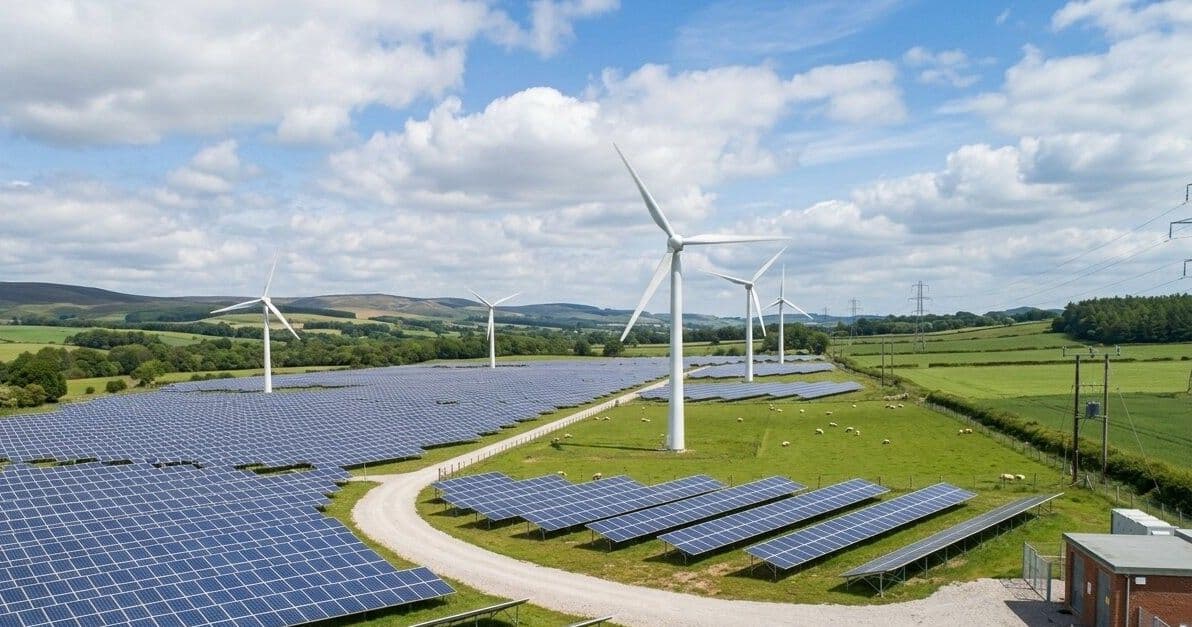
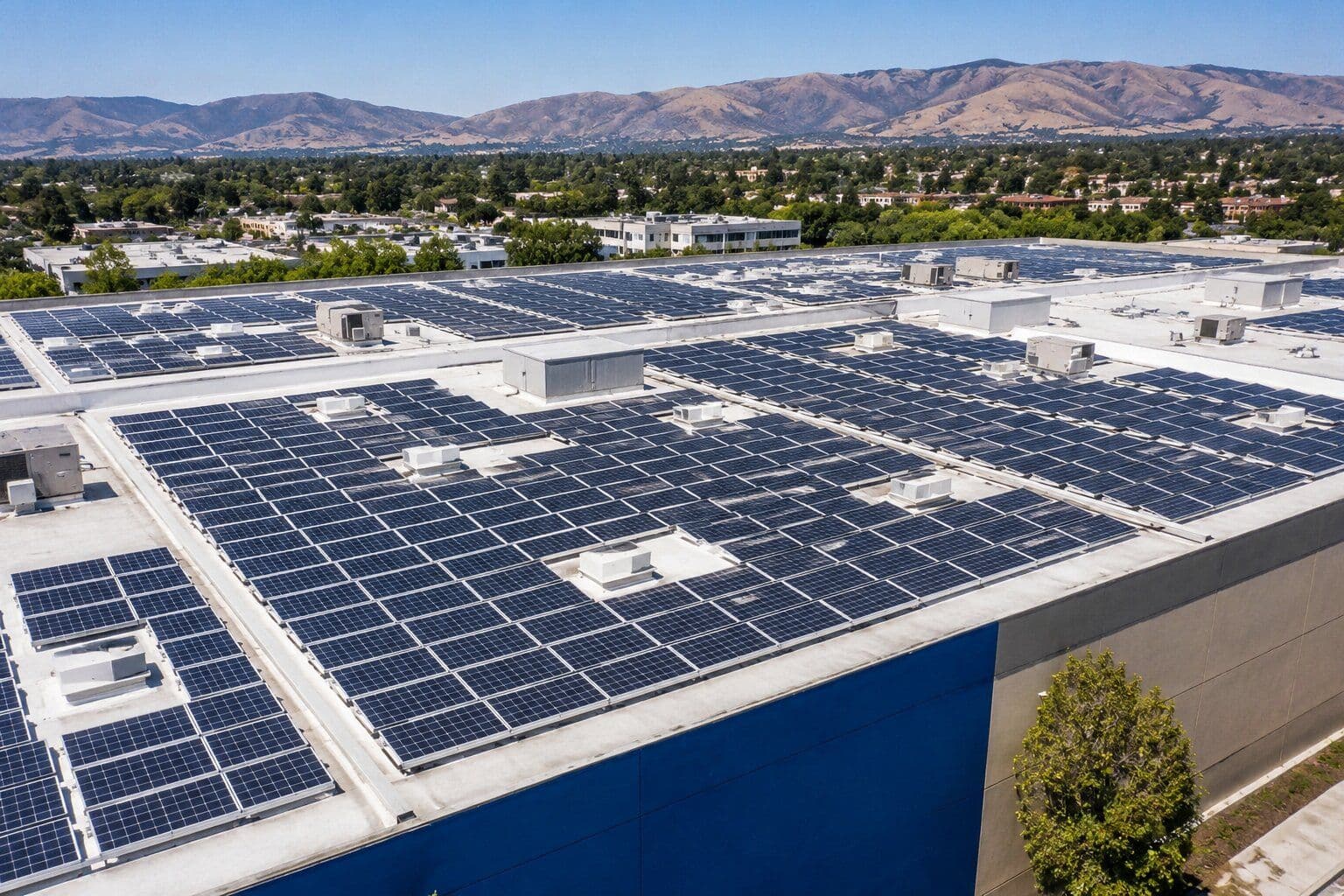
Renewable energy production continued to expand significantly. Self-generated solar power increased by 28% in 2025, exceeding 473,000 megawatt-hours, enough electricity to supply more than 136,000 average households annually.
At the same time, consolidated Scope 1 and Scope 2 emissions declined by 44.1% compared with the 2019 baseline, keeping the company on track to achieve its interim goal of a 48% reduction by 2030.
Also Read: Sustainable Manufacturing KPIs: The Metrics Driving Greener Factories
Schwarz Group also introduced its first climate transition plan, outlining the actions it intends to take to reach net-zero emissions by 2050. According to the company, expanding renewable energy generation while strengthening circular economy practices will help reduce exposure to volatile energy markets and climate-related risks, supporting a more resilient and sustainable supply chain.
Follow more news and views via our Climate & Environment and Featured Articles sections, and stay updated on the top ESG events to attend in 2026 for industry insights and networking.
If you're looking for suitable ESG and Sustainability providers to share customized solutions specific to your business needs, you can check out KnowESG's Solutions page.
If you are an ESG provider looking to get your organization listed on our portal, visit this page.
Source: Sustainability MAGAZINE
Get the ESG Brief in your inbox
One concise email a week — the ratings moves, regulation deadlines, and vetted solutions that matter. Trusted by sustainability and finance teams.
No spam · unsubscribe anytime.