Report Warns Coal Still Powers China’s Renewable Megabases

Takeaways
- Coal continues to dominate China's long-distance electricity transmission network despite the rapid growth of renewable energy projects.
- Limited transmission infrastructure and storage capacity could slow the country's clean energy transition and reduce the impact of new renewable projects.
- Greater investment in energy storage and grid upgrades could help reduce coal dependence while maintaining power reliability.
China has become the world's largest builder of renewable energy, but a new report has revealed that coal still plays a major role in delivering electricity from these projects to the country's biggest cities.
According to research by Global Energy Monitor (GEM), wind and solar energy contribute only around one-fifth of the electricity transmitted through China's ultra-high voltage direct current (UHVDC transmission) network. Coal power, meanwhile, accounts for more than twice that share, highlighting a significant hurdle in the country's clean energy transition.
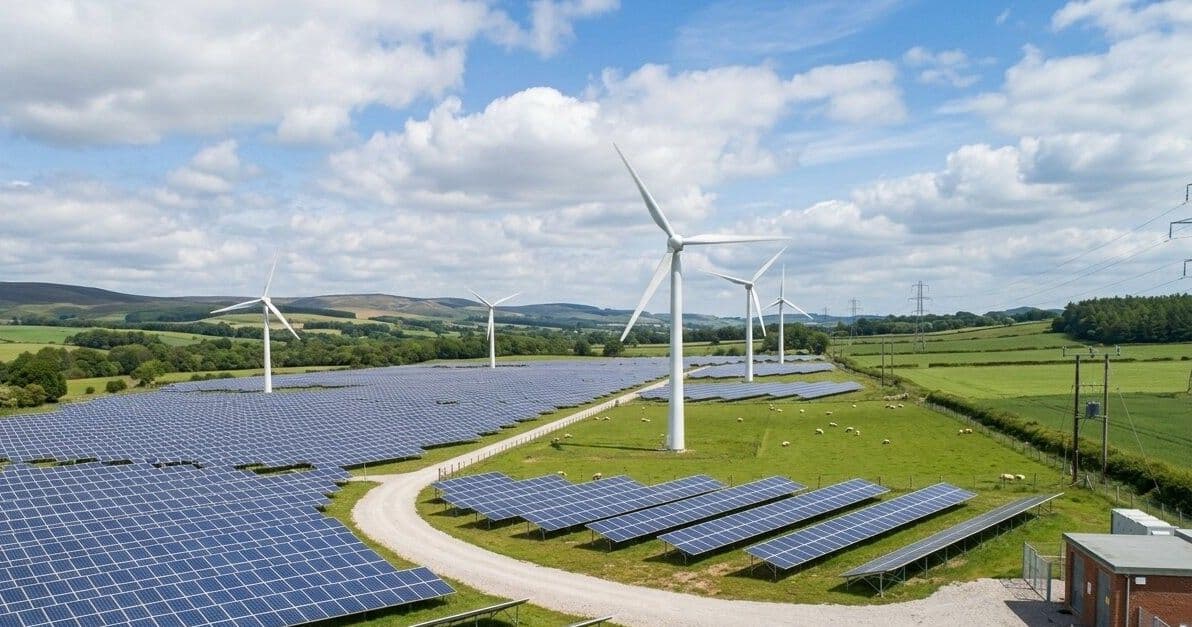
China's renewable energy strategy focuses on developing massive wind and solar bases across regions such as Inner Mongolia, Xinjiang and Gansu, where land is abundant and renewable resources are strong. However, these projects are located far from the country's industrial and urban centres, making efficient electricity transmission essential.
Read More: Fossil Fuels Fade as Green Tech Steals the Spotlight
The report estimates that by 2030, around 315 gigawatts of China's renewable megabases will need new transmission links to supply power across the country. Meeting that demand could require about 27 UHVDC transmission lines. However, China currently plans to include only 10 such projects in its next five-year plan, creating concerns over whether the grid will be able to keep pace with renewable expansion.
An insufficient transmission network could also lead to higher levels of renewable energy curtailment, where electricity generated by wind and solar plants cannot be delivered to consumers. This not only reduces clean energy use but can also weaken the financial performance of renewable projects.
The report also found that many new transmission projects continue to include substantial coal power capacity alongside renewable generation. Eleven planned transmission lines serving renewable megabases are expected to connect approximately 129 GW of wind and solar capacity together with 40 GW of coal-fired generation. Based on projected electricity flows, coal and renewable energy are likely to contribute nearly equal shares of the transmitted power.
GEM argues that this approach conflicts with China's stated goal of using coal mainly as a backup source. Instead, the report recommends expanding energy storage systems to balance fluctuations in wind and solar generation rather than relying heavily on fossil fuels.
Also Read: Fortescue Builds Global Network to Replace Fossil Fuels with Green Energy
Report author Aiqun Yu, Senior East Asia Strategist at Global Energy Monitor, said renewable projects should increasingly depend on battery storage and other flexible technologies instead of coal to maintain grid stability.
One project offers a glimpse of that shift. A planned transmission line linking the Kubuqi Desert in Inner Mongolia to Shanghai is expected to source more than 60% of its electricity from renewable energy. The project combines 9,000 megawatt-hours of energy storage with a smaller 2.64 GW coal component, significantly lower than the coal capacity included in many comparable projects.
Although the project represents only a modest step, it demonstrates how storage could reduce the need for coal while maintaining reliable electricity supplies.
China's renewable pipeline remains unmatched globally, with 664 GW of planned or under-construction solar capacity and 698 GW of proposed wind projects. However, the report suggests that simply building more renewable energy will not be enough. Future progress in China's renewable energy will depend on strengthening transmission networks, expanding energy storage, and improving grid planning so that clean electricity can replace coal at a much faster pace.
Follow more news and views via our Climate & Environment and Featured Articles sections, and stay updated on the top ESG events to attend in 2026 for industry insights and networking.
If you're looking for suitable ESG and Sustainability providers to share customized solutions specific to your business needs, you can check out KnowESG's Solutions page.
If you are an ESG provider looking to get your organization listed on our portal, visit this page.
Source: ESG NEWS
Get the ESG Brief in your inbox
One concise email a week — the ratings moves, regulation deadlines, and vetted solutions that matter. Trusted by sustainability and finance teams.
No spam · unsubscribe anytime.