UN Report: Food and Fossil Fuel Production Causing Massive Environmental Damage

Takeaways:
- The UN warns that unsustainable food and fossil fuel production cause $5bn of environmental damage every hour.
- Climate, nature, and pollution crises now threaten economies, food, water, health, and national security.
- Experts urge urgent action, pricing environmental costs, and removing harmful subsidies to avoid collapse.
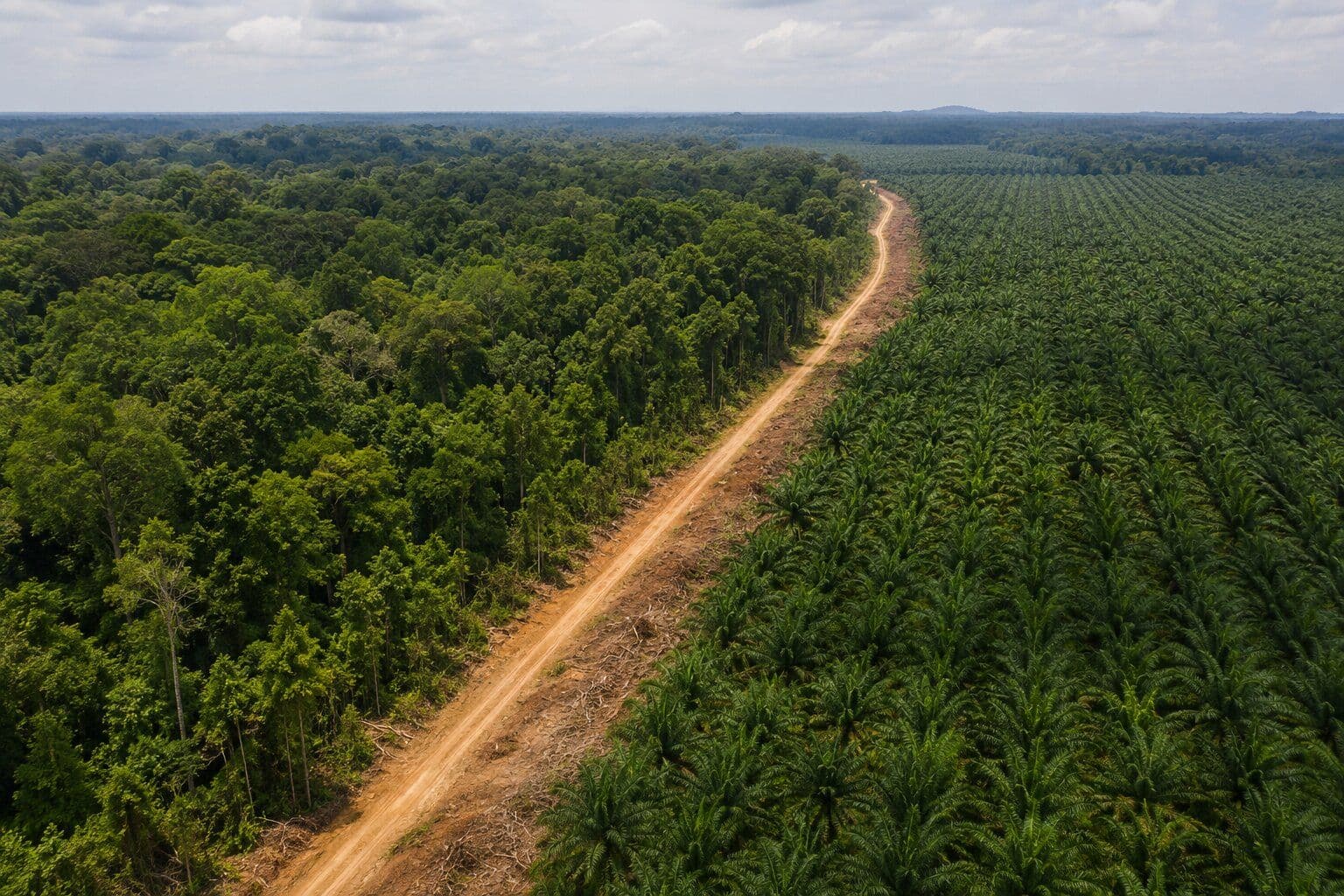
Unsustainable food and fossil fuel production are inflicting $5 billion (£3.8 billion) in environmental damage every hour, according to a major UN report, highlighting the urgent need for global action.
The Global Environment Outlook (GEO) report, compiled by 200 researchers for the UN Environment Programme, warns that the world faces a systemic crisis where climate change, nature loss, and pollution threaten not only the environment but also economies, food and water security, human health, and national security.
“They are all undermining our economy, food security, water security, human health, and they are also [national] security issues, leading to conflict in many parts of the world,” said Prof Robert Watson, co-chair of the assessment.
The report notes that growing global populations are increasing demand for food and energy, much of which is produced in ways that pollute the planet. Experts argue that a sustainable world is possible but requires immediate political courage and economic reform.
Read More: Fossil Fuels Fade as Green Tech Steals the Spotlight
“This is an urgent call to transform our human systems now before collapse becomes inevitable,” said Prof Edgar Gutiérrez-Espeleta, co-chair and former environment minister of Costa Rica. “The science is good. The solutions are known. What is required is the courage to act at the scale and speed that history demands.”
The GEO report spans 1,100 pages and usually includes a summary for policymakers, but this year, strong objections from countries including Saudi Arabia, Iran, Russia, Turkey, and Argentina prevented consensus on issues like fossil fuels, plastics, and reduced meat consumption. The UK, representing 28 nations, emphasized that science should not be negotiable despite political pressures.
Financial costs of environmental inaction far outweigh those of action, the report says. Climate measures alone could generate $20 trillion a year by 2070 and $100 trillion by 2100. The annual environmental damage totals around $45 trillion, with industrial agriculture responsible for $20 trillion, transport $13 trillion, and fossil-fuel electricity $12 trillion.
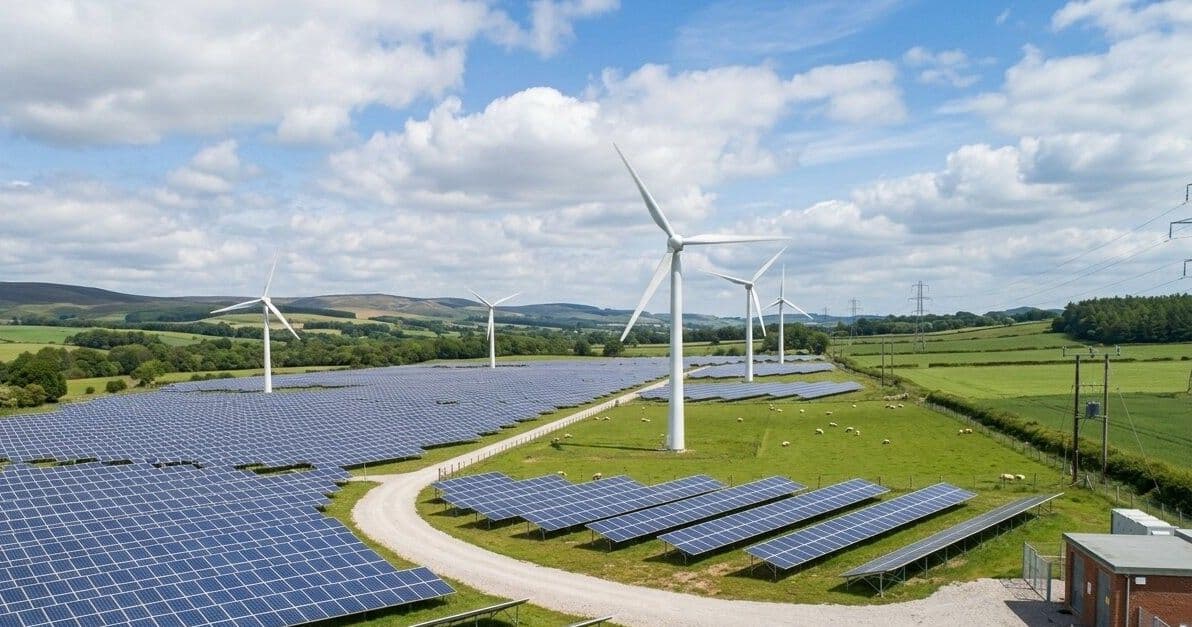
The GEO report calls for pricing environmental costs into food and energy to encourage greener choices while protecting vulnerable populations through social safety nets. It also suggests removing or redirecting the $1.5 trillion in environmentally harmful subsidies to fossil fuels, food, and mining. Transitioning to wind and solar energy, now cheaper in many regions, is being slowed by vested fossil fuel interests.
Also Read: ESG Investing And The Discomfort Of Big Oil
Prof Watson emphasized that immediate action could significantly reduce emissions, noting that eliminating fossil fuel subsidies alone could cut emissions by one-third. The report warns that climate change may be even more severe than current projections suggest, urging urgent reforms in governance, economics, and finance.
Follow more news and views via our Climate & Environment and Featured Articles sections, and stay updated on the top ESG events to attend in 2025 for industry insights and networking.
If you're looking for suitable ESG and Sustainability providers to share customized solutions specific to your business needs, you can check out KnowESG's Solutions page.
If you are an ESG provider looking to get your organization listed on our portal, visit this page.
Source: The Guardian
Get the ESG Brief in your inbox
One concise email a week — the ratings moves, regulation deadlines, and vetted solutions that matter. Trusted by sustainability and finance teams.
No spam · unsubscribe anytime.