Insurance Solution Targets Risks in CCS Value Chains

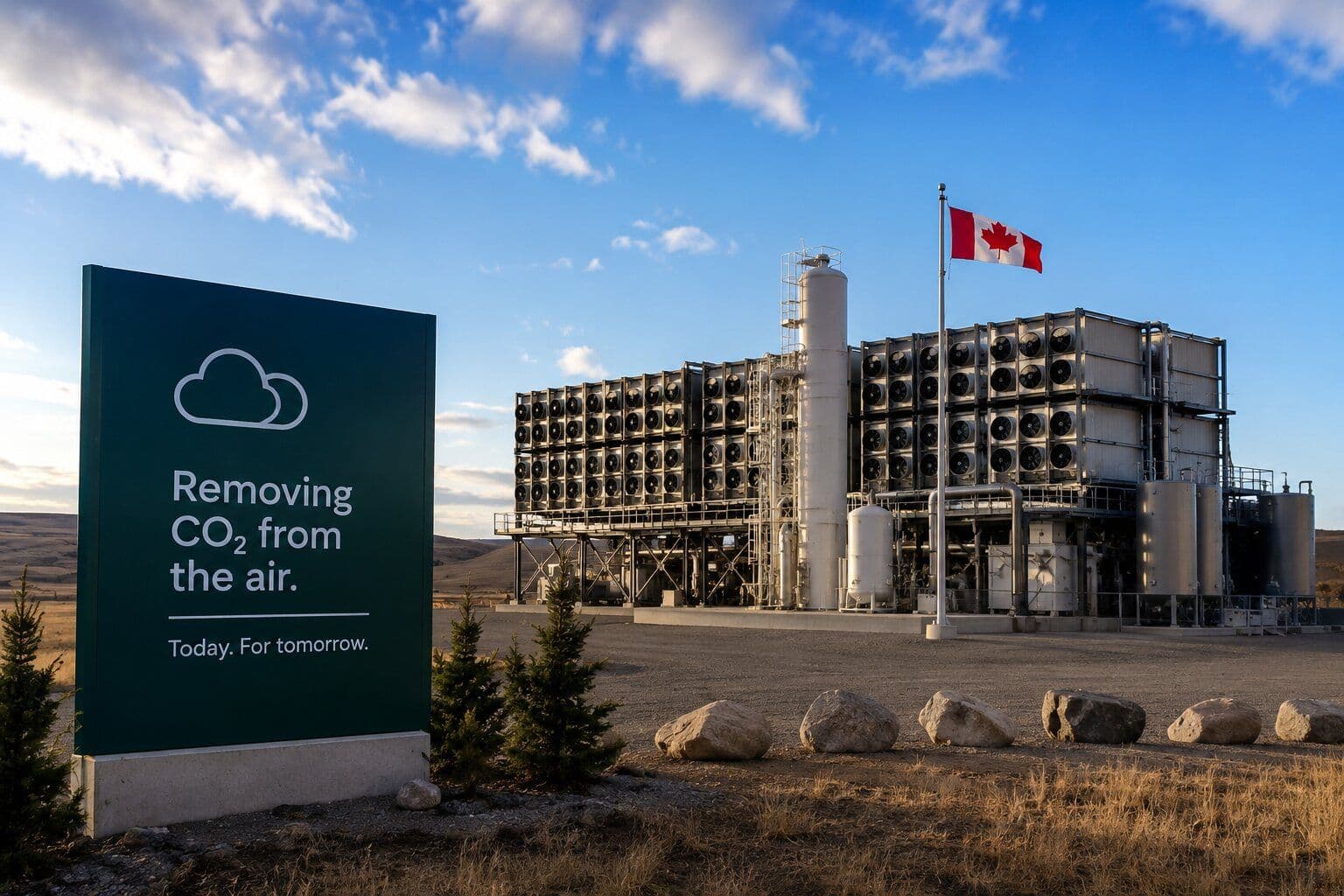
Carbon capture and storage (CCS) is emerging as a vital tool in the fight against climate change, particularly for industries like steel and cement that face steep challenges in achieving net-zero targets. However, as investment in CCS grows, so too do the risks, especially when projects involve multiple parties collaborating across complex value chains.
The Rise of Interdependent CCS Chains
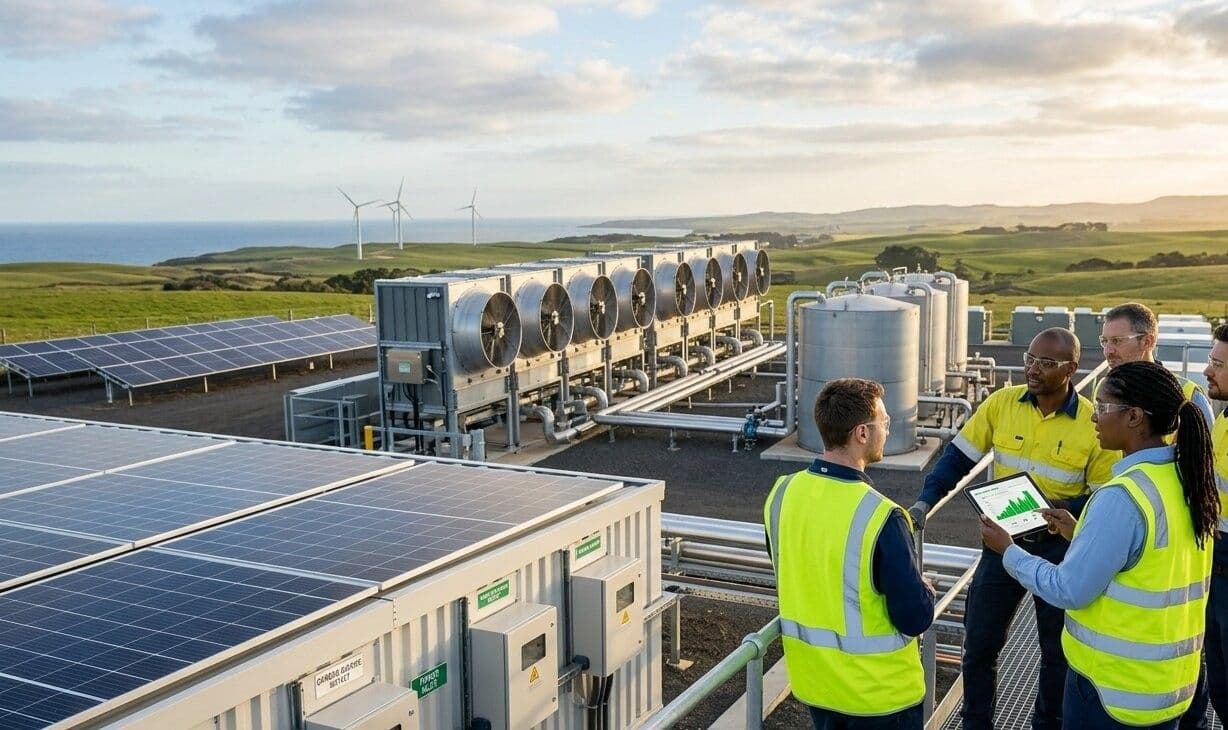
Traditional CCS projects often run end-to-end, with one company overseeing capture, transport, and storage. Increasingly, however, new models are emerging where emitters, transporters, and storage providers operate independently but rely on one another. Cluster models, where several emitters capture CO₂ and feed it into shared transport and storage networks, are gaining momentum. These clusters lower costs through economies of scale but also create interdependence, where problems in one link can disrupt the entire chain.
To manage risk, operators are developing strict CO₂ specifications that each participant must meet before feeding gas into the system. Too much water content, for example, can create carbonic acid, corroding pipelines. Other impurities may alter the gas’s behavior, straining infrastructure beyond its design limits. While monitoring helps catch these issues, the consequences of contamination can be severe and costly.
Read More: Singapore Firms Explore CCS Options for Power Sector
New Risks Beyond Physical Damage
Detecting impurities triggers strict control protocols. In some cases, contaminated CO₂ must be vented to protect infrastructure. While this prevents equipment damage, it can lead to financial losses, such as wasted carbon credits and interrupted operations. Liability questions then arise: Who pays for lost revenue, cleanup, or penalties?
Contracts between CCS stakeholders attempt to allocate liability, but there is no single standard. Complexities include when ownership of the CO₂ changes hands and how liability is shared when multiple emitters feed into a single system. If one emitter introduces off-spec CO₂, they may face remediation costs as well as claims from co-emitters who suffer financial losses.
A Tailored Insurance Solution
To address these emerging risks, Marsh, in partnership with HDI Global, has launched a new insurance product specifically designed for interdependent CCS value chains. This solution extends coverage beyond traditional physical damage, offering:
- Defense costs for legal disputes, even before the responsible party is identified.
- Compensation for insured parties found liable for introducing off-spec CO₂, including:
- Carbon credit losses of other emitters.
- Financial losses suffered by co-emitters.
- Costs of remediation and decontamination at affected facilities.
This product builds on Marsh’s earlier insurance coverage for non-damage leakages at storage sites, underwritten by Canopius and Hiscox. Together, these solutions reflect a “whole value chain” approach to CCS risk management.
Also Read: Asia’s Heavy Industry Unites for Cross-Border Carbon Capture Drive
Supporting the Transition to Net-Zero
Experts stress that the technology for handling CO₂ is not new, but applying it across large-scale, interconnected value chains introduces new contractual and operational challenges. “Many of the new risk concerns come back to the element of interdependence in the ecosystem, with multi-stakeholder value chains,” says Hannah Jennings, CCS global leader at Marsh.
By offering insurance tailored to these unique risks, providers are helping the CCS industry attract investment and operate with greater confidence. As companies accelerate their decarbonization strategies, innovative risk transfer tools like this may prove essential in ensuring CCS delivers on its promise of supporting the transition to net-zero.
Follow more news and views via our Environment and Featured Articles sections, and stay updated on the top ESG events to attend in 2025 for industry insights and networking.
Source: Marsh
Get the ESG Brief in your inbox
One concise email a week — the ratings moves, regulation deadlines, and vetted solutions that matter. Trusted by sustainability and finance teams.
No spam · unsubscribe anytime.