Sudan Humanitarian Crisis Highlights Donor Budgets and ESG Market Signals

Takeaways
- Germany is weighing stronger humanitarian support for Sudan as UN funding gaps force life-or-death aid decisions.
- Any shift in aid priorities could influence ESG fund flows, social bond issuance, and logistics demand into 2026.
- Investors are watching policy signals, conflict-related ESG screens, and procurement data for early market cues.
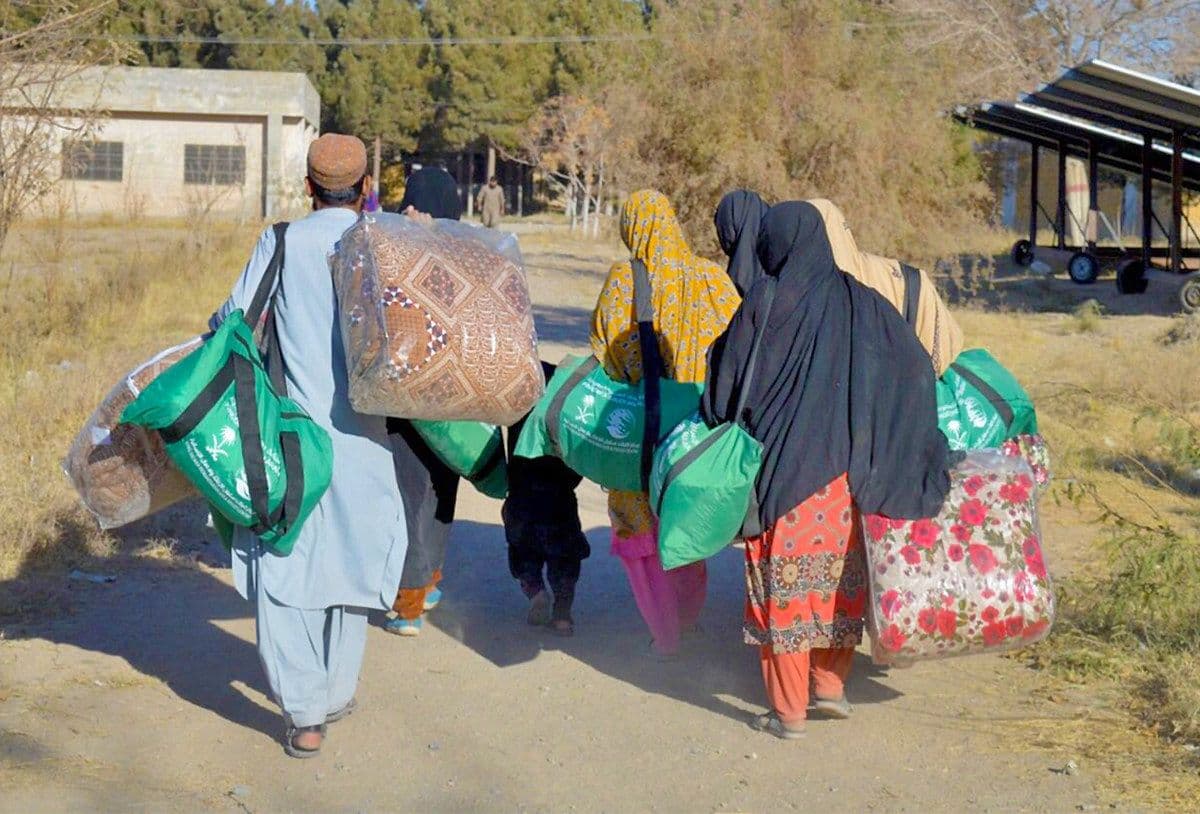
The Sudan humanitarian crisis is climbing Germany’s policy agenda as the United Nations warns that a severe funding shortfall is forcing aid agencies to make life-or-death choices on the ground. For German investors, this renewed focus is not just a diplomatic issue. It could shape federal budget priorities, redirect ESG flows, and lift demand for aid logistics through 2026.
Germany’s Humanitarian Push and Budget Outlook
Berlin’s development ministry is calling for stronger support for Sudan, a move that could re-rank humanitarian spending lines within the federal budget. Any changes are likely to be channelled through the Federal Ministry for Economic Cooperation and Development and the Foreign Office, rather than through large new spending packages.
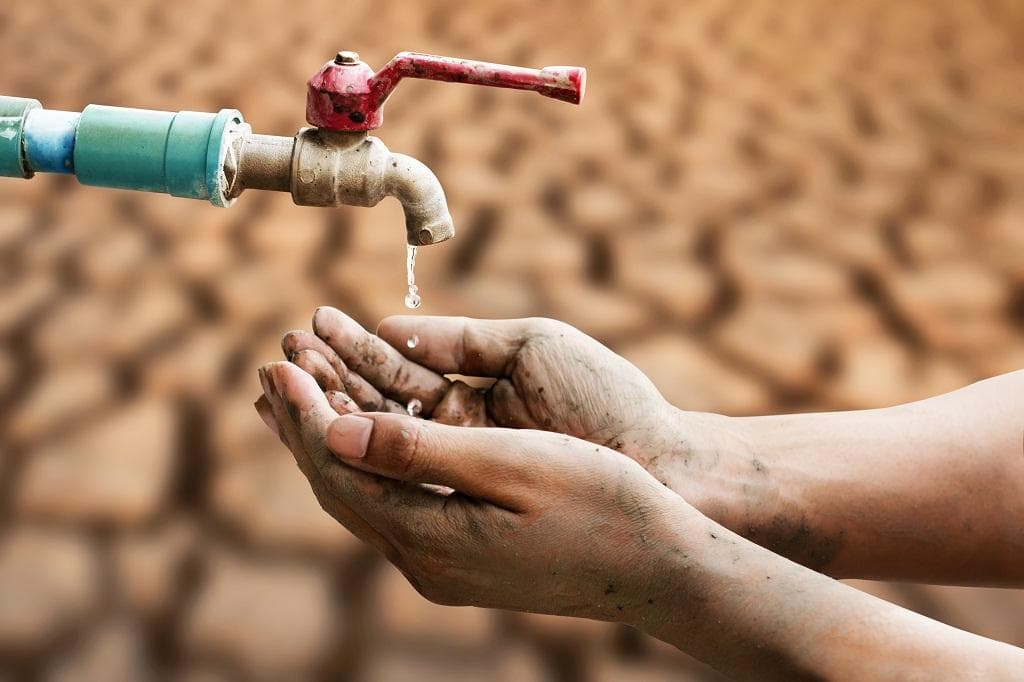
The immediate driver is the UN funding shortfall, which is constraining food, health, and water programs. Investors should track official statements and donor pledging events for signs that commitments are being scaled up. Policymakers have stressed that the Sudan humanitarian crisis must not slip off the agenda, signalling that funding could rise if conditions deteriorate further.
Germany may also pair national funds with instruments from the European Union to co-finance health, water, and logistics projects. Such arrangements can speed up procurement and delivery even when headline budgets remain tight.
Read More: ESG Trends: Annual Outlooks, Regulations, and Developments
ESG Trends: Key Signals for German Investors
If humanitarian funding increases, markets could see more social and sustainability bond issuance from supranationals and aid agencies. German Article 8 and Article 9 funds are natural buyers, given their focus on clear use-of-proceeds and impact reporting. Orderbook strength and pricing on new deals will be key indicators.
At the same time, the conflict between Sudan’s army and the Rapid Support Forces raises exposure questions for ESG products. Many funds apply country or controversy screens that limit holdings linked to active conflict zones. Asset managers may reassess supply-chain exposure, contractors, and trade routes, with greater reliance on exclusions and targeted engagement.
Humanitarian Logistics and Commodity Markets
Large-scale relief operations depend on airlifts, warehousing, and secure transport corridors. An escalation of the Sudan humanitarian crisis could boost demand for specialized logistics providers serving East Africa, including cold-chain and port-handling services. Contract awards from UN agencies and NGOs will be closely watched.
Food aid programs also affect commodity markets. Purchases of wheat, pulses, and vegetable oil, along with fertilizer needs, can influence prices if supply routes are disrupted. German consumer goods and food companies may face cost volatility tied to shipping insurance and delivery risks.
Investment Guide for German Investors
Key signals include BMZ press briefings, debates in the Bundestag on supplemental funding, EU co-financing decisions, and donor conferences. Regular UN updates on access and funding needs can flag near-term issuance and procurement flows.
Also Read: Top 5 Threats To The ESG Movement
Final Thoughts
For German investors, the Sudan humanitarian crisis is both a human tragedy and a market signal. Shifting policy priorities can drive ESG flows, social bond issuance, and logistics demand. Tracking official announcements and donor pledges can help investors stay prepared as humanitarian themes move back into focus.
Follow more news and views via our Social & Governance and Featured Articles sections, and stay updated on the top ESG events to attend in 2025 for industry insights and networking.
If you're looking for suitable ESG and Sustainability providers to share customized solutions specific to your business needs, you can check out KnowESG's Solutions page.
If you are an ESG provider looking to get your organization listed on our portal, visit this page.
Source: Meyka