Google Invests in Low-Carbon Power for Data Centres in Illinois

Highlights
- Google is backing a 400-megawatt natural gas plant in Illinois featuring carbon capture and storage to supply low-carbon power to its data centres.
- Around 90% of the plant’s emissions will be stored underground at ADM’s Decatur site, which has handled over 4 million tonnes of CO₂ since 2011.
- The project uses Mitsubishi turbines and a Northbridge Energy certification system to verify emission reductions and promote clean electricity solutions.
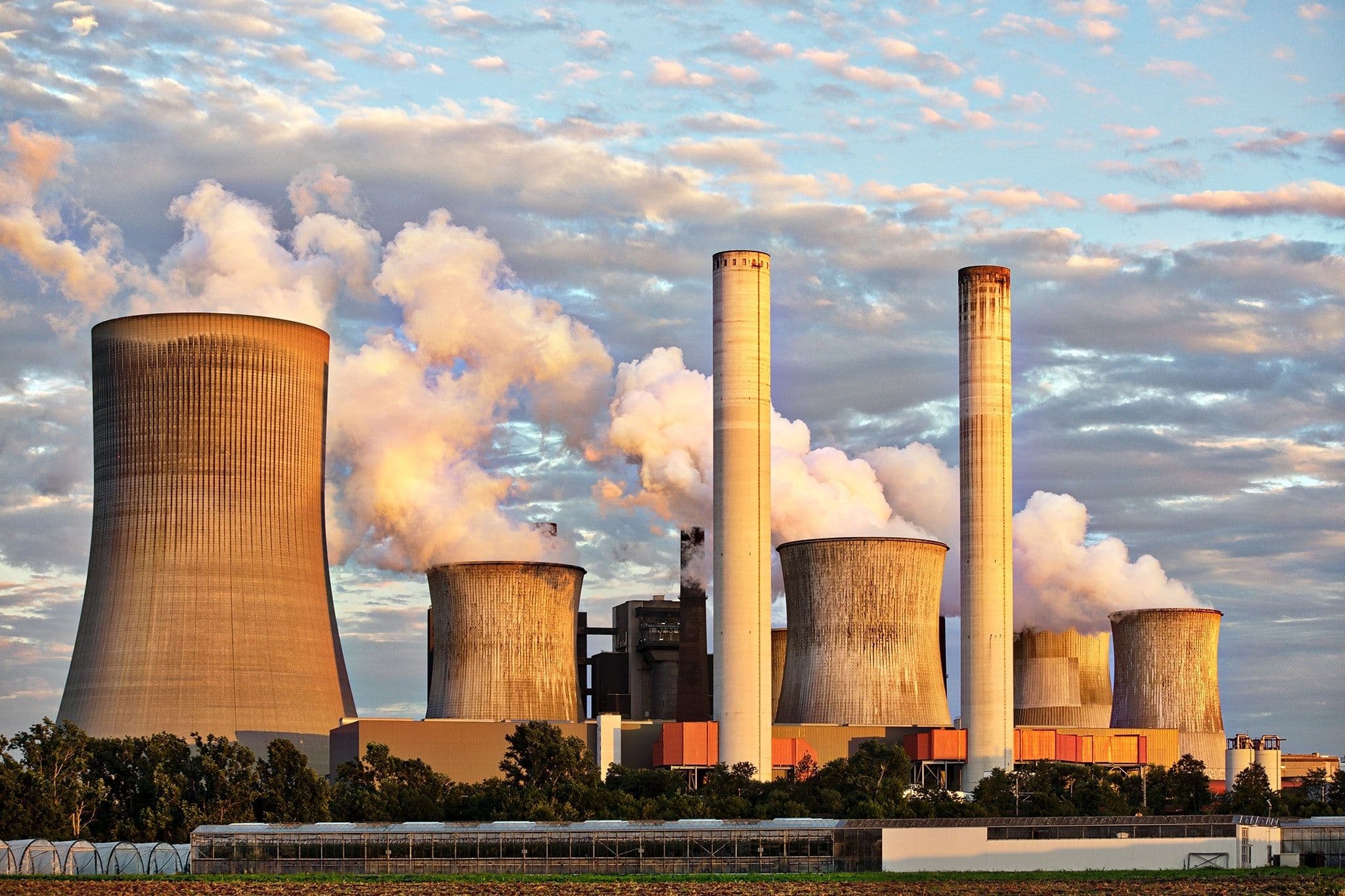
Google has entered into a first-of-its-kind deal to fund a natural gas plant equipped with carbon capture and storage (CCS) technology in Illinois — a new step to power its data centres with low-carbon energy around the clock.
The company has signed an agreement to purchase most of the electricity generated from the Broadwing Energy Center in Decatur, a 400-megawatt combined heat and power facility.
The plant is being built near Archer Daniels Midland’s (ADM) ethanol site, where its steam output, over 1.5 million pounds per hour, will be used in ADM’s industrial operations. The power generated will feed into the regional grid that supplies Google’s data centres in Illinois and Arkansas.
Read More: Google Quietly Removes Net-Zero Pledge Amid Rising AI Energy Demand
Around 90 percent of the emissions from the new natural gas facility are to be captured and stored underground at ADM’s Decatur sequestration site. This underground reservoir, situated about a mile below the surface, has been operational since 2011 and has already stored over 4 million tonnes of carbon dioxide.
The site has a capacity of 2 million tonnes of CO₂ annually, which makes it one of the largest carbon storage operations in the country.
Michael Terrell, Google’s head of advanced energy, mentioned that the project aims to bring carbon capture and storage solutions into practical use through innovation and learning from advanced energy technologies.
Experts from Clean Air Task Force described it as one of the first large-scale gas power plants in the U.S. designed with CCS technology.
Also Read: As AI Grows, Data Centres Face Soaring Energy Demand
In its clean electricity strategy released in 2023, Google docketed its plan to source low-carbon power from a variety of renewable options, including solar, wind, hydro, nuclear, and geothermal.
Natural gas with CCS was included as part of this mix, which is a reliable way to balance renewable generation. The new Illinois project will be developed by Low Carbon Infrastructure, an affiliate of Squared Capital, with construction set for 2026 and operations to begin by 2030.
The project’s timing is significant, given the rise in U.S. natural gas demand, largely fuelled by the expansion of data centres and artificial intelligence facilities being built by Amazon, Google, Meta, and Microsoft.
According to analysts at Carbon Direct, CCS is a practical solution for power plants generating at least 100 megawatts of capacity. The Google-ADM partnership shows the viability of pairing natural gas production with carbon storage. The project uses Mitsubishi gas turbines and ADM’s proven CCS process to power the project’s economic case.
See Also: What Google’s AI Climate Footprint Tells Us About Energy and Emissions
Google plans to use a new type of environmental attribute certificate, created by Northbridge Energy, to measure and report emissions tied to this project. These certificates function similarly to renewable electricity certificates, which help companies account for greenhouse gas reductions through transparent reporting. Each part of this initiative — from technology to certification — connects to build a scalable model for low-carbon power generation.
***
Looking for sustainability and ESG specialists to support your business?
Explore our ESG Marketplace or solutions page, which features over 1000 providers who offer affordable solutions and services tailored to your business.
Stay updated with our Climate & Environment News for the latest insights.
Also, don’t miss our upcoming ESG Events for fresh perspectives.
Source: Trellis