Wool to Bone: UK Researchers Develop Sustainable Solution for Bone Regeneration

Takeaways
- UK researchers have developed a wool-based material that supports bone regeneration in living animals.
- The keratin-based scaffold produced stronger, more natural bone compared to conventional methods.
- The innovation could offer a sustainable and scalable alternative to collagen in regenerative medicine.
Researchers in the UK have developed a new sustainable material made from wool that could transform the way damaged bones are repaired. The team, based at King’s College London, has successfully tested a keratin-based biomaterial in animal models, showing promising results for future medical use.
Keratin, a natural protein found in wool, was used to create a scaffold that helps guide bone growth. In the study, scientists found that this material supported bone regeneration and produced tissue that closely resembled natural, healthy bone.
The research marks a significant step forward in the field of bone regeneration, where scientists have long relied on collagen as the standard material. Collagen scaffolds are widely used in both medical and dental treatments because they protect healing areas while allowing new bone to form. However, collagen has its drawbacks; it can be weak, break down too quickly, and is often expensive to produce.
Read More: ESG Data Providers: How to Choose the Right Fit for Your Business
The newly developed wool-based biomaterial offers a strong alternative. According to the research team, wool is a renewable resource and is often considered a waste product in the farming industry. This makes it both sustainable and readily available for large-scale use.
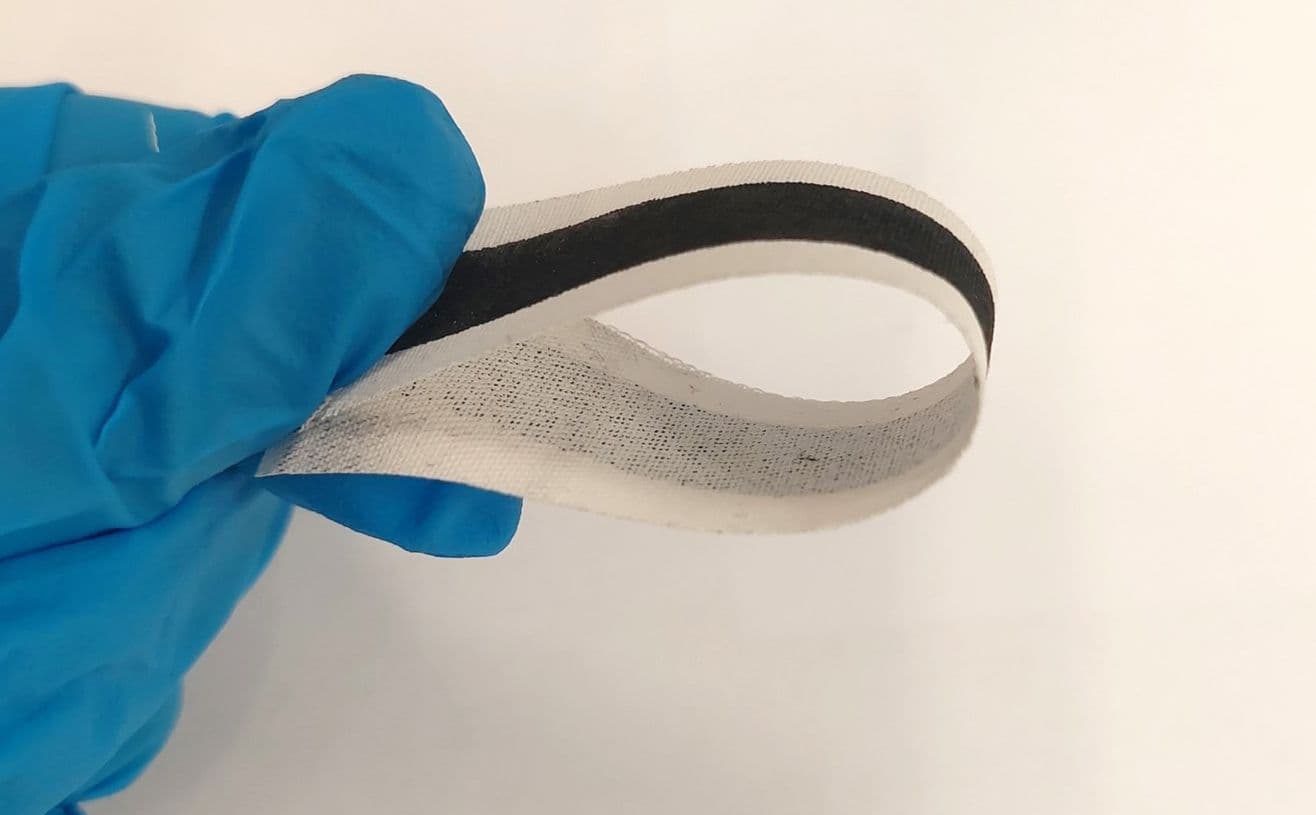
To create the material, researchers extracted keratin from wool and processed it into thin membranes. These membranes were chemically treated to make them stable and durable enough for medical applications. In laboratory tests involving human bone cells, the material showed excellent results, with cells growing well and displaying clear signs of healthy bone formation.
The team then moved to animal testing, implanting the keratin membranes into rats with skull defects that would not heal on their own. Over several weeks, the researchers monitored how the material performed. The results showed that the keratin scaffold effectively supported new bone growth across damaged areas.
While collagen-based materials produced a higher volume of bone overall, the keratin scaffolds stood out in another important way. The bone formed using keratin was more organized and structurally sound, with fibre alignment that closely matched natural bone. This could make it especially useful in cases where strength and durability are critical.
Also Read: Top 10 ESG Software Platforms To Track Your Company Metrics
Another key advantage of the keratin membranes was their ability to integrate smoothly with surrounding tissue. They also remained stable throughout the healing process, both essential qualities for real-world medical applications.
Researchers believe this development could pave the way for a new class of regenerative biomaterials. By combining sustainability with strong biological performance, keratin-based materials could reduce reliance on traditional options like collagen.
Although more research is needed before the technology can be used in humans, the findings bring it significantly closer to clinical application. The study highlights the potential of sustainable medical materials to address both healthcare challenges and environmental concerns.
Follow more news and views via our Sustainable Finance & Technology and Featured Articles sections, and stay updated on the top ESG events to attend in 2026 for industry insights and networking.
If you're looking for suitable ESG and Sustainability providers to share customized solutions specific to your business needs, you can check out KnowESG's Solutions page.
If you are an ESG provider looking to get your organization listed on our portal, visit this page.
Source: INTERESTING ENGINEERING