Total Cost of Ownership of Electric Vehicles: A Smarter Path to ESG Goals

In December 2025, a historic shift took place in Europe’s automotive market. For the first time, electric vehicles outsold petrol-powered cars across the European Union. What once seemed like a distant sustainability milestone became a present-day reality, reflecting a deeper change in how individuals, businesses, and governments view transportation.
Yet despite this momentum, electric vehicle adoption is still uneven. The reasons often cited, i.e., limited range, lack of charging infrastructure, or high upfront prices, only tell part of the story. The more persistent barrier is far less visible but far more influential: A lack of clear, reliable information about what electric vehicles actually cost to own over time.
For organizations working toward sustainability and climate targets, understanding the total cost of ownership of electric vehicles is no longer optional. It has become central to achieving long-term financial efficiency and meeting electric vehicles' ESG goals in a measurable, credible way.
Featured Article: Are EVs Upsetting the ESG Ecosystem?
The Knowledge Gap Slowing EV Momentum
When most people assess a vehicle purchase, the first figure they notice is the price tag. Electric vehicles, with average prices in Europe often exceeding €50,000, can appear significantly more expensive than petrol or diesel alternatives. This initial impression frequently stops deeper analysis before it even begins.
However, focusing solely on the purchase price creates a distorted picture. A 2024 study by the International Council on Clean Transportation revealed that while nearly two-thirds of European consumers are interested in electric vehicles, fewer than one in four feel confident they understand the full costs involved. The situation is similar for businesses, particularly those managing large fleets.
This uncertainty has real consequences. Fleet electrification decisions are delayed, sustainability roadmaps lose momentum, and ESG targets become harder to justify internally. Without accurate insights into electric vehicles' total cost of ownership, sustainability teams often struggle to compete with traditional procurement logic that prioritizes short-term savings over long-term value.
In the context of ESG reporting, this gap becomes even more problematic. Companies are increasingly expected to show concrete progress on emissions reduction, not just ambition. Without reliable cost data, electric vehicles may appear risky or financially unclear, even when they offer strong environmental and economic benefits.
Featured Article: The Growing Need for ESG Companies, Sustainability, and Climate Solutions
Understanding Total Cost of Ownership Beyond the Purchase Price
Total Cost of Ownership, or TCO, provides a more realistic way to evaluate vehicle investments. Instead of focusing on what a vehicle costs on day one, TCO looks at the full financial impact across its usable life.
This includes the initial acquisition cost, energy or fuel expenses, routine maintenance, insurance, taxes, incentives, and the vehicle’s expected resale value. When these factors are considered together, electric vehicles often tell a very different story.
Data from the U.S. Department of Energy shows that electric vehicles cost around $0.04 per mile to operate, compared to approximately $0.17 per mile for petrol vehicles. This gap is driven largely by lower electricity costs and significantly reduced maintenance needs. Electric vehicles have fewer moving parts, no oil changes, and less wear on components such as brakes.
Consumer Reports has found that EVs require 40 to 50 percent less maintenance over their lifetime. Over several years, these savings accumulate quickly. For businesses managing fleets, the impact is even more pronounced. A fleet of 50 vehicles transitioning to electric can save tens of thousands annually in maintenance alone. When fuel and energy savings are added, five-year EV fleet TCO can be €8,000 to €15,000 lower per vehicle, depending on usage patterns and local conditions.
From an ESG perspective, these savings strengthen the business case for electrification. Fleet transitions directly reduce Scope 1 emissions from company-owned vehicles and can also influence Scope 3 emissions related to logistics and employee travel. With the EU’s Corporate Sustainability Reporting Directive now in effect, organizations are expected to disclose this data with clarity and precision. TCO analysis provides the financial backbone that sustainability teams need to turn environmental goals into approved investment decisions.
Featured Article: ESG Trends: Annual Outlooks, Regulations, and Developmentsity teams need to turn environmental goals into approved investment decisions.
Featured Article: ESG Trends: Annual Outlooks, Regulations, and Developments
Why the Netherlands Has Become an EV Adoption Leader

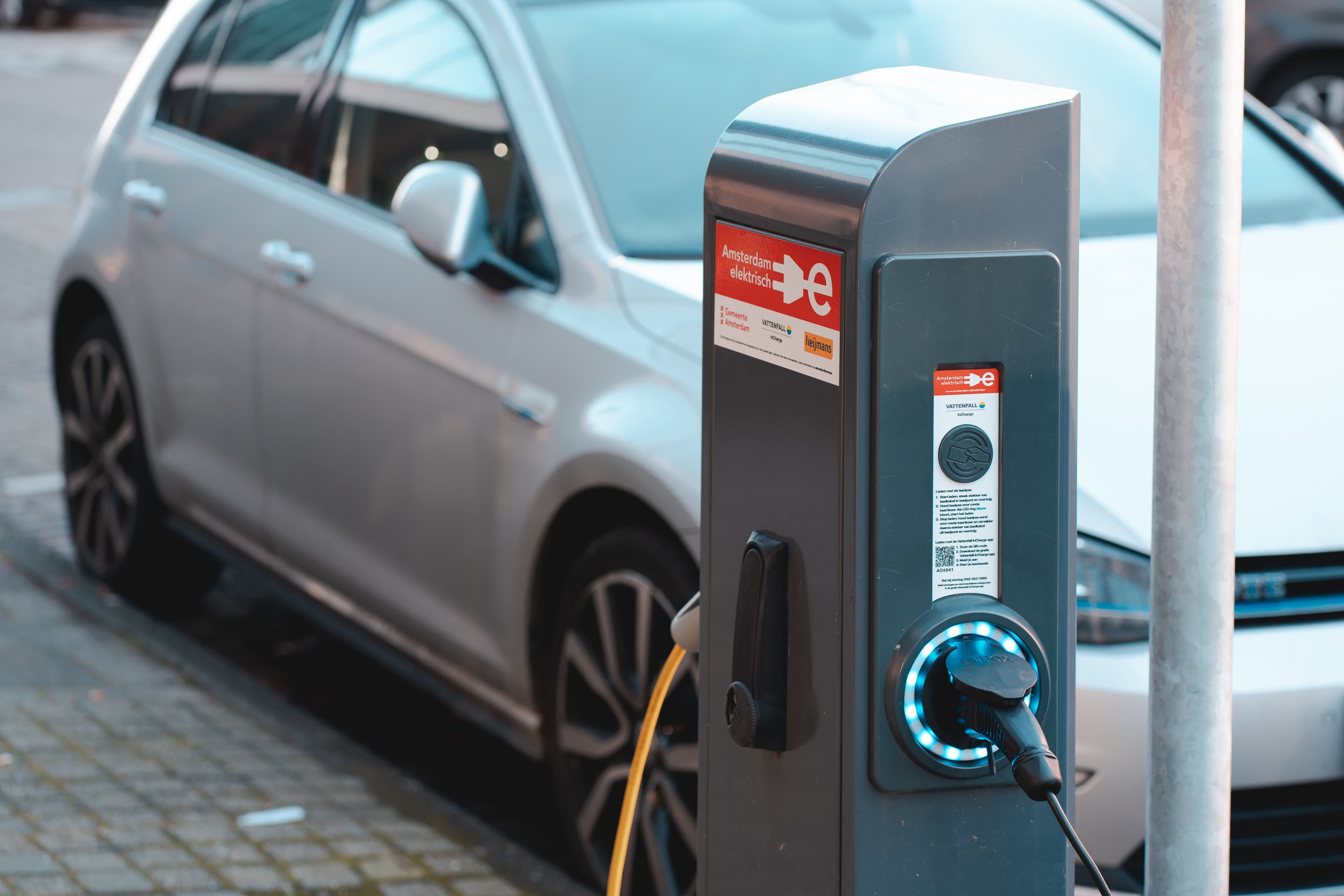
Few countries illustrate the power of transparent cost information better than the Netherlands. By 2025, battery electric vehicles accounted for over 40 percent of new car sales in the country, with plug-in hybrids pushing the combined share beyond 55 percent. In December of that year, EVs officially outsold petrol vehicles nationwide.
Infrastructure and policy certainly played a role. The Netherlands has one of Europe’s densest charging networks and a well-structured system of tax incentives that reduce upfront costs. But another, often overlooked factor has been access to clear and comprehensive cost comparison data.
Dutch consumers and businesses benefit from platforms that simplify complex ownership calculations. Tools such as Autiva allow users to compare dozens of electric vehicle models using real-world data, including taxes, incentives, and long-term ownership costs. By presenting the electric vehicles' total cost of ownership alongside technical specifications, these platforms remove uncertainty from the decision-making process.
The result is informed choice rather than forced adoption. When buyers understand that an electric vehicle may cost less over five years than a cheaper petrol alternative, resistance naturally decreases. The Dutch experience shows that better data can be just as powerful as policy in driving sustainable change.
For ESG leaders elsewhere, this example offers a clear lesson. Transparency and decision-support tools can accelerate adoption more effectively than broad messaging that lacks financial context.
Featured Article: ESG Data Providers: How to Choose the Right Fit for Your Business
Key Takeaways for Businesses Pursuing ESG Goals
For organizations looking to align transportation strategies with sustainability objectives, the implications are clear.
The first step is to shift focus away from sticker price and toward lifetime value. Every vehicle decision should be supported by a detailed TCO analysis that reflects how the vehicle will actually be used. Energy consumption, driving patterns, maintenance cycles, and resale expectations all matter more than initial cost alone.
Second of all, businesses should adopt structured comparison tools rather than relying on assumptions or brand familiarity. Digital TCO calculators allow fleet managers to evaluate multiple models at once, ensuring that choices are aligned with both operational needs and ESG priorities. This approach also creates a clear audit trail, which is increasingly valuable under stricter reporting frameworks.
Local context must also be considered. Electricity prices, incentive structures, climate conditions, and charging availability vary widely across regions. A realistic total cost of ownership EVs ESG analysis should always reflect local operating conditions rather than generic averages.
Finally, organizations should treat TCO capability as a long-term asset. Regulatory expectations around fleet emissions and sustainability disclosures are set to tighten further. Companies that invest now in understanding and documenting EV economics will be better positioned to comply, compete, and lead.
Featured Article: Sustainability Reporting Software: Transparent ESG Communication
Final Thoughts: Turning EV Data into ESG Impact with KnowESG

The shift toward electric mobility is no longer a question of if, but how effectively it can be implemented. As the European market has shown, success depends less on ideology and more on clarity. When decision-makers understand the true economics of electric vehicles, sustainable choices become logical, defensible, and scalable.
For ESG professionals, mastering the total cost of ownership of electric vehicles is a strategic advantage. It bridges the gap between environmental ambition and financial accountability, enabling organizations to meet electric vehicles' ESG goals with confidence and credibility.
This is where platforms like KnowESG play a critical role. By providing access to high-quality ESG data, insights, and analytical tools, KnowESG helps organizations evaluate sustainability initiatives through both environmental and financial lenses. Whether it’s assessing EV fleet transitions, tracking emissions performance, or strengthening ESG disclosures, KnowESG empowers businesses to turn complex data into clear, actionable decisions.
As regulations tighten and stakeholder expectations rise, organizations that combine robust TCO analysis with trusted ESG intelligence will lead the next phase of sustainable transport. With the right data, the business case for electric vehicles is no longer theoretical; it’s measurable, reportable, and aligned with long-term value creation.
Featured Article: ESG Management Software: Everything You Need to Track, Report & Improve
Frequently Asked Questions (FAQs)
Why do electric cars often have a lower total cost of ownership than petrol or diesel cars?
Although electric cars usually have a higher initial purchase price, their total cost of ownership is often lower than that of petrol or diesel cars. This is mainly due to lower fuel costs, reduced maintenance costs, and fewer moving parts compared to internal combustion engine vehicles. Over time, these factors lead to significant maintenance savings and more predictable running costs.
How do fuel and electricity costs affect electric vehicle costs over time?
Electricity costs are generally lower and more stable than fuel costs for gasoline vehicles or diesel cars. EV owners can further reduce expenses by charging during off-peak hours or using home charging solutions. When measured per mile compared to petrol or diesel vehicles, electric vehicles typically deliver a lower cost of ownership, especially for the average driver with regular commuting patterns.
Are maintenance costs really lower for electric vehicles?
Yes, EV maintenance costs are significantly lower than those of traditional vehicles. Electric vehicles do not require oil changes, have fewer components, and experience less wear due to features like regenerative braking. As a result, EV maintenance is simpler, and long-term costs are reduced compared to ICE vehicles and hybrid vehicles.
How does battery technology impact EV ownership and long-term costs?
Advances in battery technology have improved the durability, efficiency, and resale value of electric vehicles. Modern EV batteries are designed to last many years, often outliving the warranty period. While battery replacement can be expensive, it is rare and increasingly offset by long-term savings, tax incentives, and improving residual value in the EV market.
What should fleet managers consider when evaluating EV fleet TCO?
Fleet managers should assess more than just the upfront price. A proper cost of ownership TCO analysis includes vehicle purchase costs, electricity costs, insurance costs, maintenance savings, tax incentives, and resale value. For fleet electrification, electric vehicles often deliver strong financial advantages through lower running costs, predictable expenses, and compliance with clean air zones and congestion charges.
Do financial incentives really make a difference to EV total cost?
Yes, financial incentives play a meaningful role in reducing the total cost of electric vehicle ownership. Tax incentives, reduced vehicle excise duty, lower registration fees, and exemptions from congestion charges can significantly lower the initial investment. For potential buyers and businesses alike, these incentives improve EV TCO and make electric vehicles more competitive with petrol or diesel alternatives.