The ESG Advantage: Smarter Cathodic Protection Design Cuts Costs and Emissions

Takeaways
- Switch-mode cathodic protection (CP) systems can significantly cut power use, CO₂ emissions, and installation costs.
- Better system design and remote monitoring directly support ESG goals, from energy efficiency to worker safety.
- Distributed switch-mode technology boosts visibility and reliability for asset owners managing large, corrosion-exposed infrastructure.
Major infrastructure, such as wharves, bridges, pipelines, and storage tanks, faces continuous corrosion threats. For decades, cathodic protection systems, mainly phase-control setups, have helped preserve these assets. But as environmental, social, and governance expectations rise, companies are reassessing how cathodic protection design choices affect their sustainability performance.
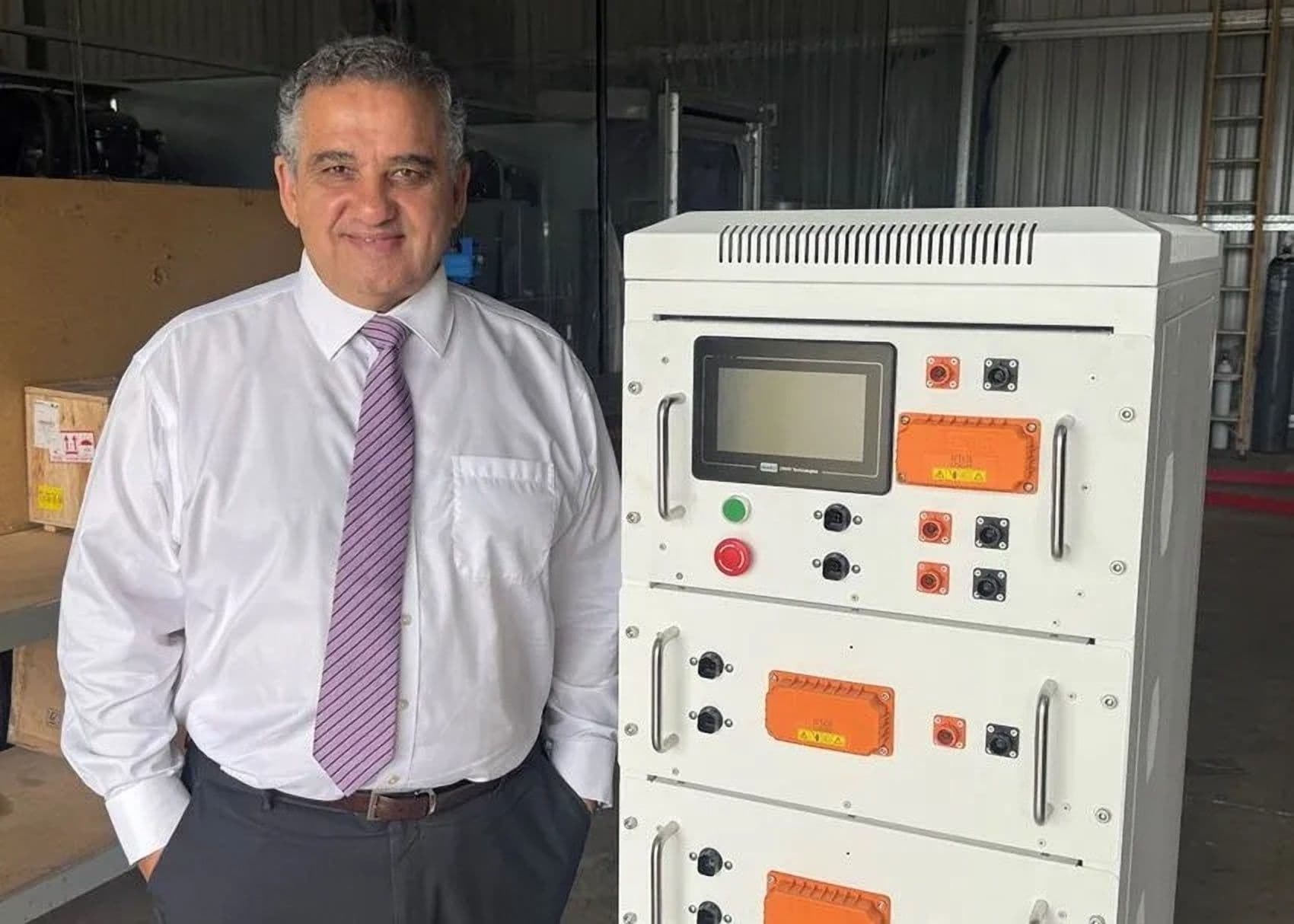
According to David Celine, managing director of Omniflex, shifting from traditional phase control rectifiers to switch-mode CP systems can dramatically improve both operational efficiency and ESG reporting outcomes. The difference largely comes down to how each system converts power.
All impressed current CP (ICCP) systems rely on transformer rectifier units (T/Rs) to deliver current that protects steel structures. In phase control models, alternating current passes through a large transformer before being rectified into DC. This creates a stable output but relies on bulky equipment that is difficult to control efficiently. In contrast, switch-mode systems convert AC to high-voltage DC first, then use compact high-frequency transformers to deliver controlled power to the anodes. The result: Smaller, more precise, and more energy-efficient units.
Read More: Understanding Carbon Accounting: A Practical Guide for 2025
ESG Pressures Push a Shift in CP Design
ESG performance now heavily influences how asset owners operate and maintain infrastructure. Energy efficiency, carbon reduction, safer working conditions, and transparent monitoring are increasingly tied to board-level goals and stakeholder expectations.
Traditional phase control systems work at only about 80–85% efficiency at full capacity, and in real-world conditions, they often run closer to 60%. Oversized transformers, long copper cables, and voltage losses drag performance down even further. For owners reporting on emissions and energy use, this inefficiency is increasingly difficult to justify.
Switch-mode technology offers a straightforward alternative. These systems consistently operate at around 90% efficiency, even at half load, significantly lowering total power consumption. For companies reporting carbon footprints, this improvement directly boosts ESG outcomes by reducing electricity use and associated CO₂ emissions.
Lower Cabling Needs Cut Costs and Emissions
The design advantages extend to installation. Phase control systems depend on a single large T/R feeding current across an entire structure, requiring extensive copper cabling. This not only increases cost but leads to substantial power loss, often consuming half the voltage before it reaches the anodes.
With switch-mode systems, designers can adopt a distributed approach. Smaller rectifiers can be placed closer to individual zones, reducing cabling and allowing more than 80% of supplied power to reach the anodes. The lower copper demand also makes installations more sustainable, often cutting CO₂ emissions by more than half compared with traditional systems.
Remote Monitoring Strengthens Safety and Governance
Another major factor influencing ESG reports is how well companies manage inspection and worker safety. Adding remote monitoring to CP systems offers continuous visibility of power consumption, anode performance, reference electrode readings, and overall system health.
This real-time data reduces the need for technicians to enter hazardous or difficult-to-access environments. It also helps engineers detect issues early, preventing corrosion risks from escalating. Better data supports more transparent ESG governance and improves long-term asset reliability, key expectations for regulators, investors, and communities.
Also Read: Carbon Capture Market Forecast: Policy Shifts Fuel Global Growth
A No-Brainer for an ESG-Driven Era
As infrastructure operators face stricter reporting requirements and rising stakeholder scrutiny, CP system design is no longer just an engineering choice. It is an ESG decision. Switching to modern, distributed, high-efficiency technologies lowers energy costs, reduces emissions, enhances safety, and strengthens data-driven oversight.
In an ESG-conscious world, adopting a design philosophy that improves sustainability while protecting critical assets is becoming the clear path forward.
Follow more news and views via our Sustainable Finance & Technology and Featured Articles sections, and stay updated on the top ESG events to attend in 2025 for industry insights and networking.
If you're looking for suitable ESG and Sustainability providers to share customized solutions specific to your business needs, you can check out KnowESG's Solutions page.
Source: PROCESS and CONTROL Today