Carbon Capture Market Forecast: Policy Shifts Fuel Global Growth

The carbon capture, utilization, and storage (CCUS) market is entering a decisive growth phase. Rising climate commitments, regulatory reforms, and commercial-scale projects are fueling global interest in capturing carbon dioxide before it reaches the atmosphere. As governments tighten emission rules and industries race toward net-zero targets, the market is poised for rapid expansion, but faces obstacles that could shape its pace of adoption.
Market Growth and Global Landscape
By 2025, the global CCUS market is valued between $7 billion and $9 billion, with forecasts predicting a value of at least $12.9 billion by 2030. Growth rates range from 15% to 24% annually. North America leads the market with nearly 38% of revenues, supported by advanced infrastructure and strong incentives, especially in the U.S.
Industries like cement, steel, natural gas processing, and power generation are at the forefront of adoption. For many of these sectors, carbon capture is one of the few viable tools to cut emissions without completely redesigning operations. This aligns with international climate targets, such as the Paris Agreement, which emphasizes cutting emissions while allowing industrial continuity.
Read More: From Boom to Caution: Carbon Capture’s Shifting Fortunes
Regulatory Shifts Drive Deployment
Policy changes are reshaping the CCUS landscape. In the U.S., legislation passed in 2023 and 2024 requires coal and gas plants to adopt carbon capture technology. The Environmental Protection Agency has set steep reduction goals, i.e., 90% for coal by 2032 and gas by 2035, with compliance beginning in 2025.
Internationally, regulatory clarity is improving investment confidence. The U.K.’s Energy Act 2023 provides frameworks for CO₂ transport and storage. Similar measures are emerging across the EU, Japan, and other regions, combining regulatory stability with direct funding. Yet, the International Energy Agency (IEA) warns that actual CCUS deployment still lags behind the scale needed to hit global net-zero targets.
Commercial Deployment Gains Momentum
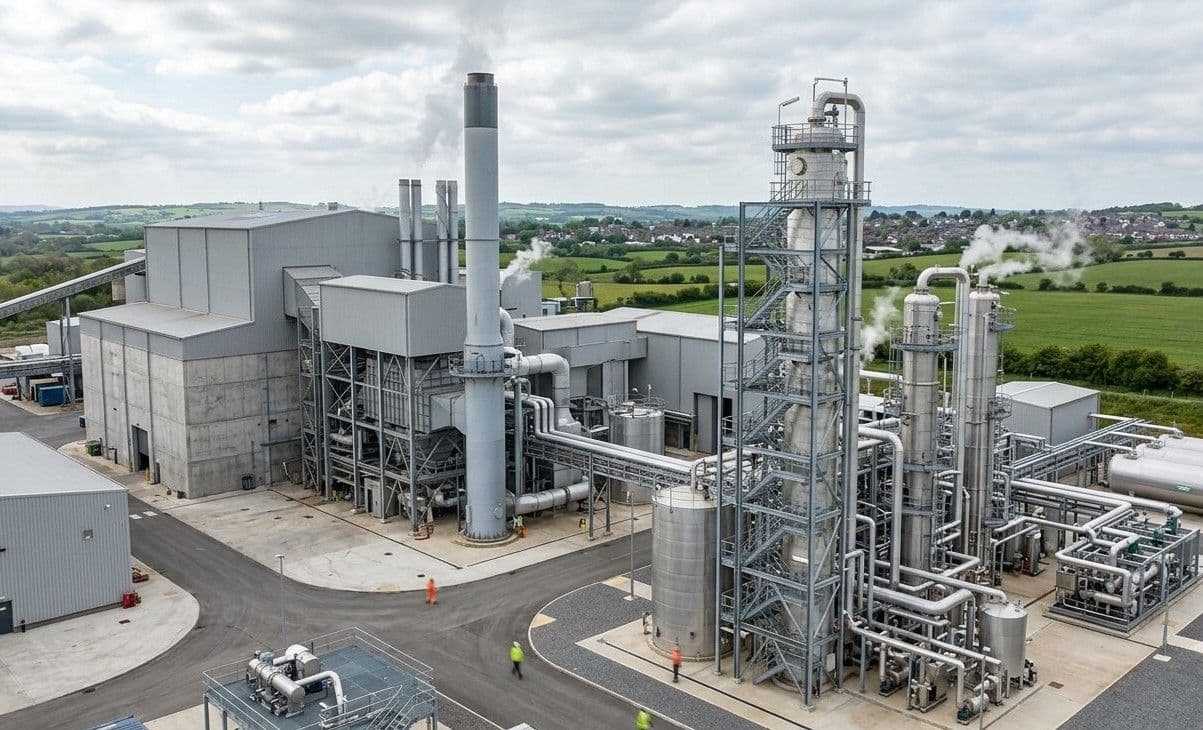
The past two years have seen a surge in project announcements. As of mid-2025, nearly 700 CCUS projects are in the pipeline, including over 50 operational facilities and 44 under construction. The world’s current operating CO₂ capture capacity stands at 51 million metric tons per year, projected to double as ongoing builds come online.
Direct air capture (DAC), which removes carbon dioxide directly from the atmosphere, is also accelerating. Four commercial DAC plants are already running, with most new projects concentrated in North America and Europe. Meanwhile, Asia-Pacific, Latin America, and the Middle East are expected to see rapid growth as industrial hubs adopt carbon capture technologies.
Also Read: EU Eyes 90% Emissions Cut by 2040, Nears 2030 Goal
Challenges and Investment Landscape
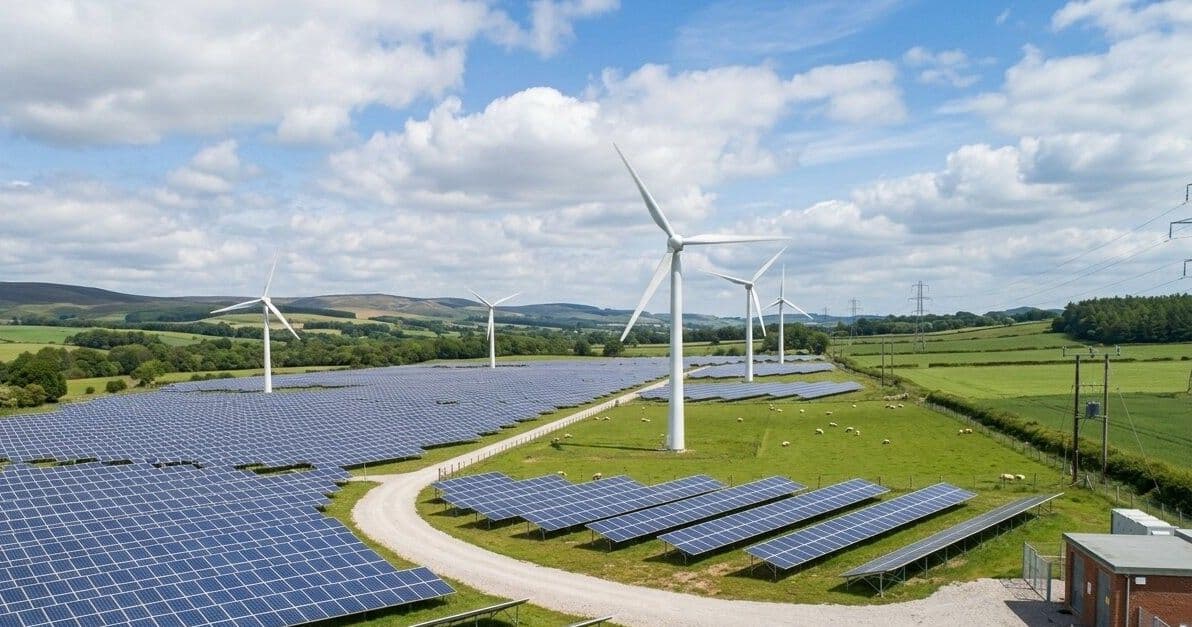
Despite progress, the market faces significant barriers. High upfront costs, long permitting processes, and public resistance to storage sites can slow deployment. Many technologies remain in early stages and lack proven large-scale efficiency, raising investor risk. Compared with solar and wind, CCUS still relies heavily on government support, tax credits, and risk-sharing mechanisms.
Governments are responding with incentives. The U.S. allocated $1.7 billion to CCUS in 2023, and Europe, Japan, and Canada are offering grants and subsidies. Carbon pricing and performance-linked incentives are helping reduce uncertainty, encouraging projects that deliver real emissions cuts.
Outlook
The next few years will be critical for CCUS. Success depends on moving projects from planning to operation, lowering costs, and building public trust in storage solutions. With strong regulatory pressure, growing commercial deployment, and ongoing innovation, carbon capture is evolving into a cornerstone of global industrial decarbonization.
Follow more news and views via our Environment and Featured Articles sections, and stay updated on top ESG events to attend in 2025 for industry insights and networking.
Source: AZO CLEANTECH
Get the ESG Brief in your inbox
One concise email a week — the ratings moves, regulation deadlines, and vetted solutions that matter. Trusted by sustainability and finance teams.
No spam · unsubscribe anytime.