Study: CCS Could Add 25B Tonnes of Emissions in Asia

Highlights
- A Climate Analytics report says that CCS in Asia could lead to 25 billion extra tonnes of emissions by 2050.
- CCS is expensive and underperforming compared to renewable energy solutions, finds the report.
- Japan, South Korea, and Australia are pushing CCS to sustain fossil fuel industries despite lower-cost renewable options.
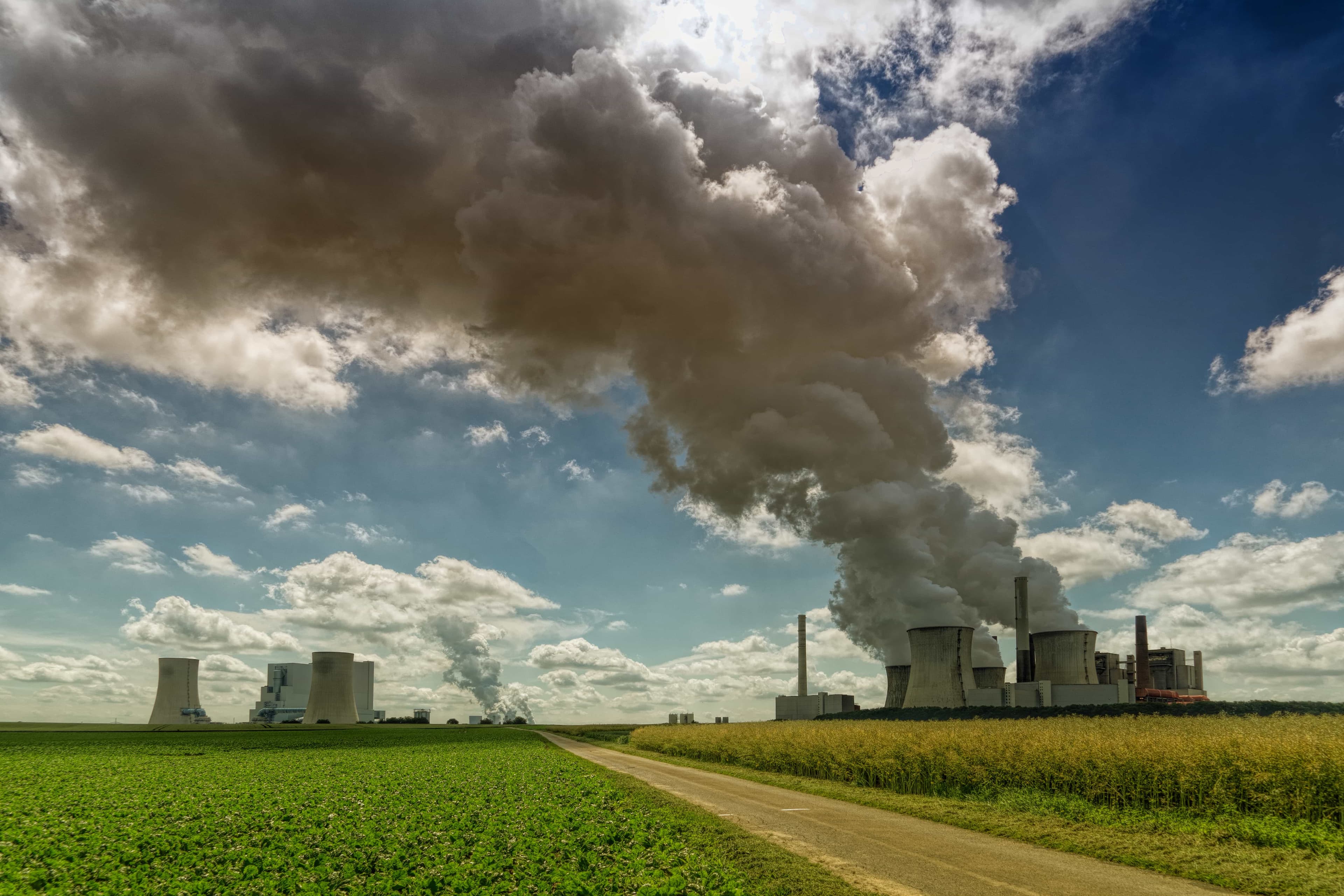
Asian countries are weighing the use of carbon capture and storage (CCS) to manage fossil fuel emissions, but a new report warns that this pathway could lead to an extra 25 billion tonnes of emissions by 2050.
The study, released by Climate Analytics, describes the strategy as a “considerable and unnecessary risk” to the Paris Agreement and to the economic stability of these nations.
The analysis studied the CCS pipeline and future plans in countries such as China, India, Japan, South Korea, Indonesia, Thailand, Malaysia, Singapore, and Australia, which together account for over half of global fossil fuel and greenhouse gas emissions.
Read More: What Is Carbon Capture & Storage? Technology, Benefits & Risks
Industry groups and some governments have presented CCS as a solution to reduce emissions from fossil fuels. However, according to the report, the technology faces technical setbacks, low capture rates, and high costs, which make it less attractive compared to renewable energy backed by storage and electrification.
According to Climate Analytics, if CCS expansion continues, countries could lock themselves into unabated fossil fuel use for decades. This could result in stranded assets, where infrastructure built for fossil fuels loses value, and create obstacles for meeting the 1.5°C Paris target.
The report notes that CCS in the power sector is profoundly more expensive than renewable energy, with the cost of electricity at least double the global average cost of renewables with storage.
In industrial sectors that are hard to decarbonise, the report points to viable alternatives that do not rely on CCS, which still emits some carbon.
Japan and South Korea are directing major financial and regulatory backing to CCS to capture technology markets at home and overseas.
Also Read: Asia’s Heavy Industry Unites for Cross-Border Carbon Capture Drive
Australia and several Southeast Asian countries aim to function as CO₂ storage and transit hubs, a strategy intended to keep their fossil fuel industries alive.
Meanwhile, China and India have less defined strategies, but a shift towards CCS is possible despite the lower cost and lower risk associated with renewables.
According to Bill Hare, CEO of Climate Analytics, Asian countries face a critical choice. While none have fully committed to a high CCS path yet, many have shaped their policies to protect fossil fuel interests, especially Japan, South Korea, and Australia.
He calls this a risky approach for the climate and for national economies, given the availability of cleaner and cheaper options.
Ends/
Are you looking for green tech experts to scale your business? We are here to help with our extensive network of ESG and sustainability providers, offering a wide choice of services.
Follow KnowESG's Technology News for regular news and views.
Check out our latest ESG Event updates
Get the ESG Brief in your inbox
One concise email a week — the ratings moves, regulation deadlines, and vetted solutions that matter. Trusted by sustainability and finance teams.
No spam · unsubscribe anytime.