OXCCU Secures $28 Million to Transform Waste Carbon into Sustainable Jet Fuel

Takeaways
- OXCCU, a UK-based climate tech startup, raised $28 million in Series B funding to scale its low-cost sustainable aviation fuel (SAF) technology.
- The company’s breakthrough process converts waste CO₂ and green hydrogen directly into liquid jet fuel in a single step, reducing costs and emissions.
- Backed by major investors including IAG, Safran, and Aramco Ventures, OXCCU aims to accelerate commercialization and expand its demonstration plants by 2026.
OXCCU, a climate technology startup spun out of the University of Oxford, has raised £20.75 million (USD $28 million) in a Series B funding round to scale and commercialize its groundbreaking process for converting waste carbon dioxide (CO₂) and green hydrogen into sustainable aviation fuel (SAF).
The funding round drew participation from leading investors, including Orlen VC, Safran Corporate Ventures, International Airlines Group’s (IAG) IAGi Ventures, Hostplus, and TCVC, with continued support from existing backers such as Aramco Ventures, Eni Next, and Clean Energy Ventures.
Read More: Vietjet Takes Off First Flights with Sustainable Aviation Fuel
Tackling Aviation’s Emissions Challenge
Fuel accounts for the majority of emissions in the aviation sector, making the development of SAF a crucial step in decarbonization. SAF can reduce lifecycle greenhouse gas (GHG) emissions by up to 85% compared to conventional jet fuel. However, despite growing interest, production remains limited. The International Air Transport Association (IATA) projects that even by 2025, SAF will make up just 0.7% of total airline fuel consumption, hindered by high costs and limited feedstock supply.
A One-Step Solution
OXCCU’s innovation directly addresses these bottlenecks. Its proprietary process combines carbon from waste biomass or biogas with green hydrogen to produce liquid hydrocarbons in a single step. Unlike traditional SAF production, which involves two energy-intensive stages, Reverse Water Gas Shift (RWGS) and Fischer-Tropsch (F-T) synthesis, OXCCU’s one-step catalytic conversion significantly lowers both capital and operating costs.
By skipping intermediate steps such as e-methanol synthesis, the process not only cuts costs but also reduces the carbon intensity of the final fuel. Its flexible design can work with a variety of feedstocks, including reformed biogas, gasified wood waste, and pure CO₂, making it adaptable to different carbon sources.
Scaling for the Future
Andrew Symes, CEO of OXCCU, said the funding demonstrates investor confidence in the company’s mission: “In a market where capital is tight and investors are rightly selective, this raise is a testament to the strength of our science, the clarity of our mission, and the urgency of the problem we’re solving. What we’re seeing is that serious players with truly distinctive technologies are still getting funded.”
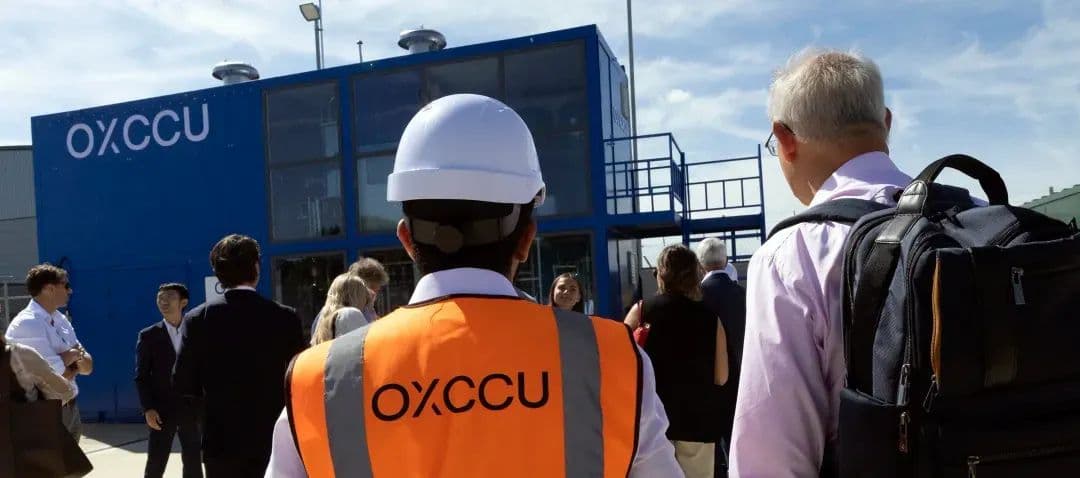
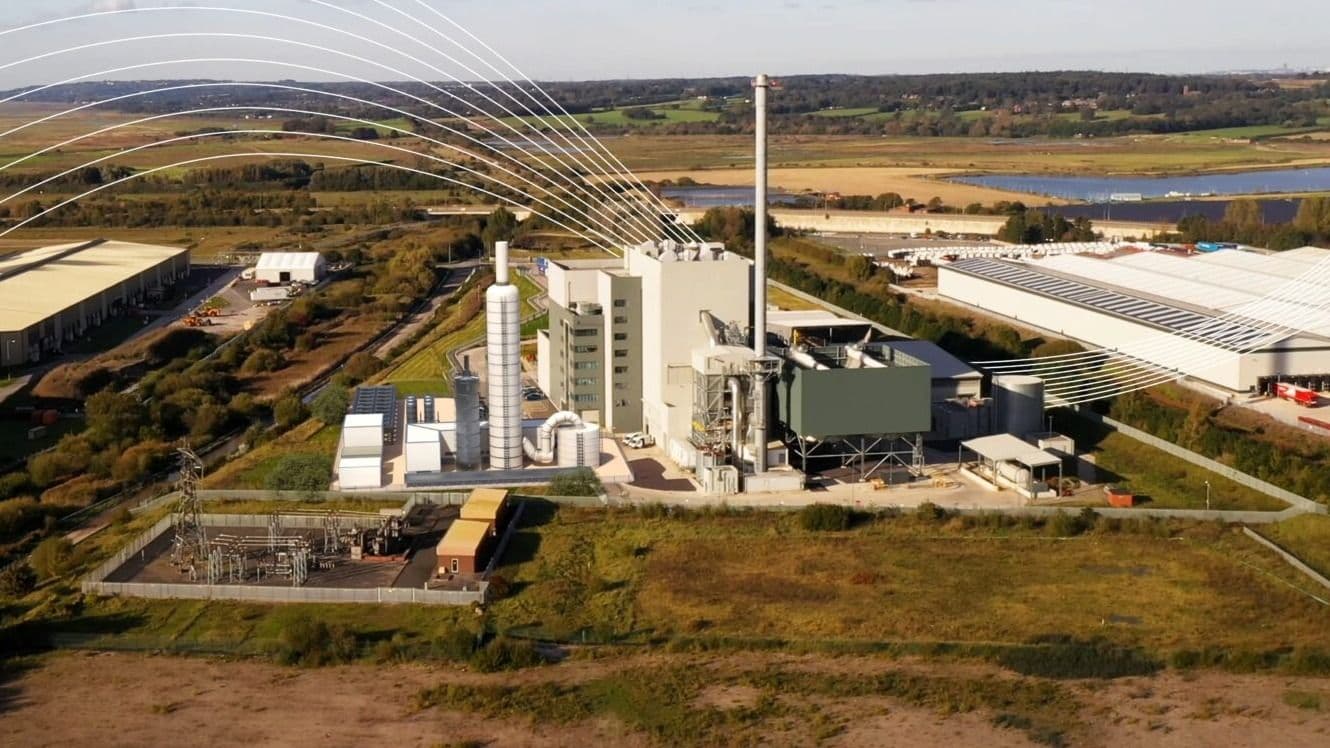
OXCCU launched its first demonstration plant, OX1, at London Oxford Airport in 2024, and plans to make its second facility, OX2, fully operational by 2026. The new funding will accelerate commercialization, technology scale-up, and operational expansion.
Also Read: Aether Fuels Secures $34M to Scale Sustainable Fuel Tech
IAG’s Group Sustainability Director, Jonathon Counsell, added that investing in OXCCU aligns with the airline’s goal of sourcing 10% of its fuel from SAF by 2030 as part of its broader net-zero commitment by 2050.
Follow more news and views via our Investors and Featured Articles sections, and stay updated on the top ESG events to attend in 2025 for industry insights and networking.
Source: OXCCCU